Choosing among the best Tipi Tents depends less on appearance than on where and how you plan to use one. A roomy canvas tipi can suit family camping or longer stays, while a lighter synthetic model may be easier to carry on foot. Bell-shaped designs often offer generous floor space, but their wider footprint can be awkward on narrow or uneven sites. There is no single best option. The right fit changes with weather, group size, transport, and comfort needs.
This guide compares common tipi styles by material, weight, capacity, setup, and seasonal performance. It also considers practical details: whether the tent has reliable ventilation, a floor that suits your campsite, and poles or guylines that feel sturdy when assembled. Small features matter. A door that opens smoothly is useful in rain; clear pitching instructions can save frustration after dark. If a model is intended for use with a stove, check the manufacturer’s specifications and safety guidance rather than assuming every tipi supports one.
Product descriptions can make all tents sound dependable, yet real conditions are less tidy. Wind direction shifts. Wet ground stays wet. A tent that feels spacious in a showroom may feel crowded with bags and sleeping gear. The sections ahead explain which designs may suit different campers, along with their compromises. Use them as a starting point, then compare measurements and verified product details before choosing. That extra check may seem fussy. It is often worthwhile.
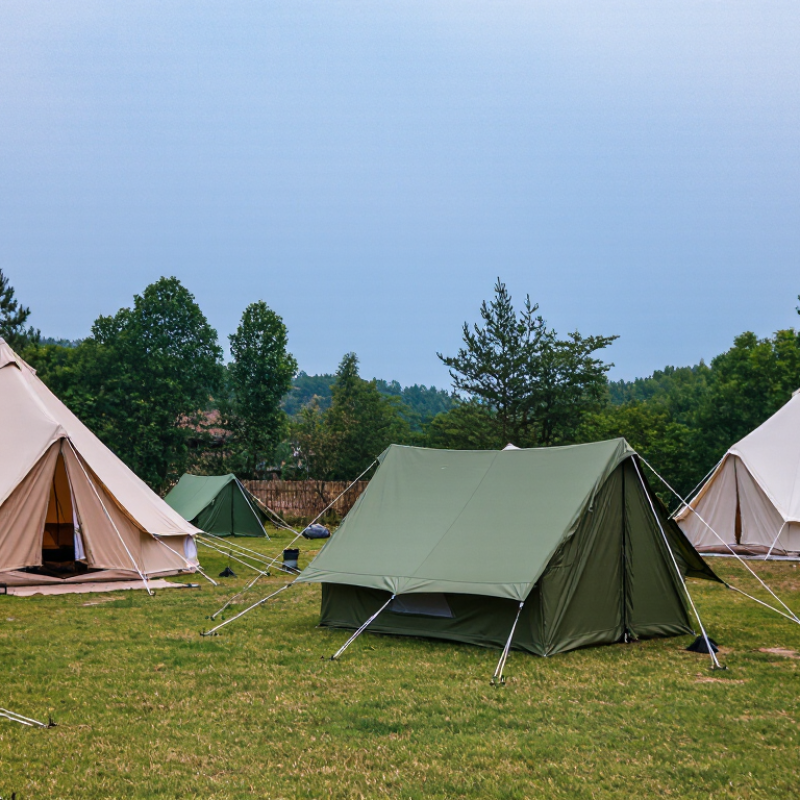
Tipi tents are best understood by their geometry, support system, and intended conditions—not by silhouette alone. Traditional designs use several poles meeting near the apex, while many modern models rely on a central mast or a compact pole frame. That difference affects interior space, setup, and how much the shelter depends on guy lines. Small details matter: a low door can make entry awkward, and a single center pole may interrupt the sleeping area.
A practical classification separates tents by frame, floor design, capacity, and season rating. Floorless models can suit flexible camp layouts, while sewn-in floors help limit ground drafts and insects. Textile Exchange’s Materials Market Report 2024 estimates polyester made up about 57% of global fiber production in 2023; that helps explain its prevalence in lightweight tent fabrics, but says nothing by itself about durability. The Outdoor Industry Association’s 2024 participation report counted 175.8 million U.S. outdoor participants aged six and older. That broad audience supports choices based on setup time and comfort, not just appearance. Still, “four-season” labels can oversimplify real conditions. Wind exposure, snow loading, ventilation, and careful pitching matter. I would compare those details before trusting a category name.
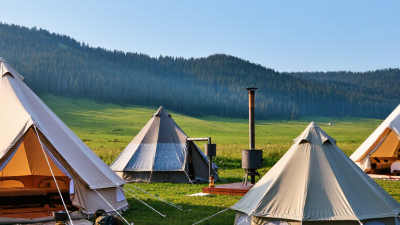
A traditional tipi is more than a cone-shaped shelter. Its design reflects knowledge developed by Indigenous peoples of the Plains, though tipi traditions differ among communities. Modern canvas versions adapt this form for camping, education, and cultural gatherings. They can offer generous standing room, airflow, and a memorable view of the sky through the smoke opening.
Canvas feels substantial. It can handle repeated use, but it needs thorough drying before storage to help prevent mildew. A well-pitched tipi also depends on careful pole placement, secure lines, and suitable ground. The Outdoor Industry Association’s 2024 Outdoor Participation Trends Report found that 175.8 million Americans took part in outdoor recreation in 2023. That broad interest makes durable, thoughtfully designed shelters relevant, but it does not replace learning from the communities whose traditions inspired the form.
Tips: Check the maker’s care instructions, practice pitching before your trip, and dry the canvas fully afterward. Ask who made the design and how it represents its cultural roots. Small details matter. A tipi may look simple, yet wind, damp ground, and rushed setup can expose its limits.
For backpacking, a lightweight tipi tent is most useful when its weight includes everything you need. Check the shelter, pole, stakes, and stuff sack together. Some designs use trekking poles, which can save pack space if you already carry them. A separate center pole may feel steadier, but it adds weight. Every ounce matters after a steep climb.
Look for a compact shelter with enough room to sit up and store a pack away from the doorway. A low, tapered shape sheds wind well when its guy lines are properly tensioned. On exposed ground, test the pitch before nightfall; loose fabric can flap loudly when gusts arrive. Bring stakes suited to the soil, too. The small ones supplied with a shelter may not hold in soft sand or loose gravel.
Single-wall tipi tents often pack small and go up quickly, but condensation can collect inside on damp nights. A vent helps, though it cannot fix every weather problem. Keep wet clothing near the entrance and leave airflow around the peak when conditions allow. These details sound fussy. They are easy to forget when tired. Capacity labels also deserve a careful look: a two-person shelter may fit two sleeping pads, yet leave little space for muddy boots or cooking gear. Check the floor dimensions, packed weight, and setup method against the routes you actually hike.
Family-sized tipi tents suit campers who want shared space without feeling packed shoulder to shoulder. Their high center and sloping walls create room to sit, change, and store gear, though the edges are less useful for standing. For four people, a larger-capacity model can leave space for duffel bags and muddy boots. Check the floor plan, door width, ventilation, and whether the tent includes a groundsheet. Small details matter. The 2024 North American Camping Report counted 58 million North American households camping in 2023, underscoring the need for shelter that works for varied group sizes.
For glamping, prioritize comfort features that solve real problems: a sturdy floor, screened openings, multiple vents, and enough height for a camp bed. Grand View Research estimated the global glamping market at about US$3.45 billion in 2023 and projected 10.2% annual growth through 2030. That forecast signals interest, not a guarantee that every roomy tipi will perform well. Check fabric specifications and setup instructions, and confirm that any stove opening is designed for the intended equipment. Bigger is not always better; a large tent takes longer to pitch and can feel cold when lightly occupied. I would compare usable floor area, not just the advertised capacity.
| Tipi Type | Typical Size | Practical Sleeping Capacity | Common Features | Best For | Things to Consider |
|---|---|---|---|---|---|
| Traditional Pole Tipi | About 4–7 m (13–23 ft) in diameter | Roughly 4–10 people, depending on diameter and gear | Conical profile, multiple support poles, and often adjustable smoke flaps | Campers seeking a spacious, classic tipi layout | Requires suitable poles and a larger, relatively clear campsite; setup takes practice. |
| Family-Sized Tipi | Often about 4–6 m (13–20 ft) in diameter | Typically 4–6 people with room for some luggage | Tall central space, broad floor area, and a large entrance | Families who want shared indoor space for sleeping and relaxing | Check floor dimensions and usable sleeping area; advertised maximum capacity may leave little gear space. |
| Glamping Tipi | Commonly about 5–8 m (16–26 ft) in diameter | About 2–6 guests, depending on furnishings and layout | Room for beds or furnishings; may include a groundsheet, windows, or stove-compatible details | Comfort-focused camping and spacious group stays | A larger footprint needs more campsite space. Ventilation and condensation management remain important. |
| Insulated or Cold-Weather Tipi | Usually available in family-size diameters, around 4–7 m (13–23 ft) | Often 3–8 people, with capacity affected by insulation and heating setup | May use a liner or insulated inner; some models are designed for a compatible stove and flue exit | Extended-season trips and colder conditions | Use a stove only with a purpose-designed, correctly installed setup; maintain ventilation and follow fire-safety instructions. |
| Lightweight Backpacking Tipi | Often about 2.5–4 m (8–13 ft) across | Usually 1–3 people, depending on the floor plan | Lightweight fabric and compact packed size; some designs use trekking poles for support | Small groups prioritizing portability over extra living space | Floorless designs need a groundsheet or suitable sleeping setup; verify packed weight and pole requirements. |
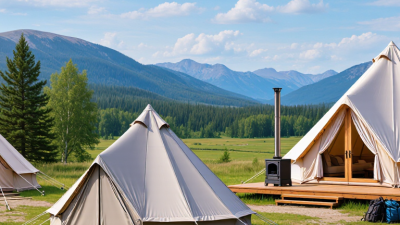
Four-season tipi tents suit campers who need a sheltered space in wind, snow, and cold. Their steep walls can shed snow, but only with sound pitching and well-anchored guy lines. Look for reinforced tie-outs, protected seams, and a stove jack designed for the tent’s fabric. Keep the flue clear of fabric, and follow the stove maker’s clearance instructions.
Ventilation matters. A stove jack alone does not make a tent safe from carbon monoxide or fire.
The Outdoor Foundation’s 2024 Outdoor Participation Trends Report counted 175.8 million U.S. outdoor participants in 2023, equal to 57.3% of the population. That broad participation figure says little about winter shelters, so choose by conditions, not popularity. A floorless tipi gives a stove more usable space, yet cold air and drifting snow can reach sleeping gear. A fitted floor adds comfort but may complicate stove placement.
“Four-season” is not a universal performance guarantee. I would check the tent’s tested weather limits and practice pitching before relying on it in a storm. One detail is easy to miss: snow can bury lower vents. Keep them clear, even when the campsite looks calm.