Choosing among Tipi Tents starts with how you plan to use one. A weekend campsite needs different features from a roomy base camp or a shelter for cool-weather trips. Look closely at the frame, fabric, ventilation, and setup method. A tall center pole may feel spacious, while a properly tensioned canvas cover can help manage changing weather. Small details matter. Door shape, stove-jack placement, and packed weight can change the experience after a long drive or a windy night.
Tipi historian Reginald Laubin’s research offers a useful buying principle: “Judge the whole shelter, not the silhouette alone.” This is a summary of his approach to tipi design, not a verified direct quotation. It points buyers toward practical questions: Does the size match your group? Can you pitch it securely on the ground you expect to find? Will its materials suit your climate and maintenance habits? There is no single best type. Traditional canvas models, lighter modern designs, and larger glamping-style tipis each make different trade-offs. A heavier shelter may feel reassuring, but it can be tiring to carry. A lighter one may pack neatly, yet offer less room for extended stays. This guide compares the main types of Tipi Tents by use, materials, comfort, and setup, so you can choose with clear expectations—not just a striking profile.
What Are the Best Types of Tipi Tents?
How Tipi Tent Design Determines Its Uses
A tipi’s shape affects how it handles weather, space, and everyday setup. Traditional single-pole designs use a central support and steep walls. They shed rain well, but the center pole can limit furniture placement. Multi-pole versions may create a more open interior, though their frames can take longer to pitch. Small details matter. Door position, ventilation openings, and a groundsheet can change comfort as much as the silhouette.
Canvas tipis suit longer stays and cooler conditions because the heavier fabric can provide a sturdy, breathable shelter. Lightweight synthetic models are easier to carry for short trips, but may feel less spacious or stable in strong winds. A tall peak gives room to stand near the center, while sloping sides reduce usable floor space around the edges. No shape solves every problem. A common planning mistake is choosing by appearance before checking sleeping capacity, packed weight, and likely weather.
Tips: Match the tent to the site. Check that its footprint fits the available ground, and look for adjustable vents for warm nights. Practice pitching it once at home; setup can be less intuitive than it looks.
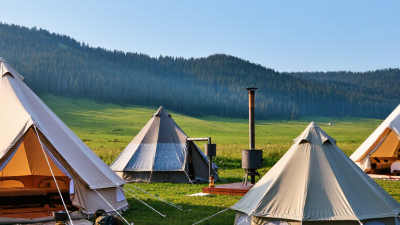
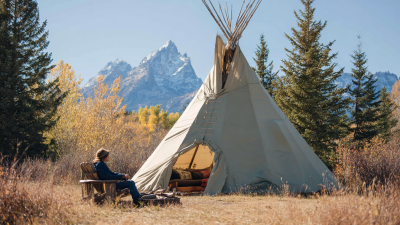
The main types of tipi tents differ by pole design, fabric, and intended use. Traditional canvas tipis use a central pole or a ring of poles, with sloping walls and a smoke opening near the peak. Their roomy floor suits longer stays, but heavy canvas takes effort to dry and pack.
A small detail matters: check how the door closes in wind.
Lightweight backpacking tipis use thinner fabrics and often rely on trekking poles or a single center pole. They pack smaller, making them practical for hikers, though their steep walls can leave less usable space near the edges.
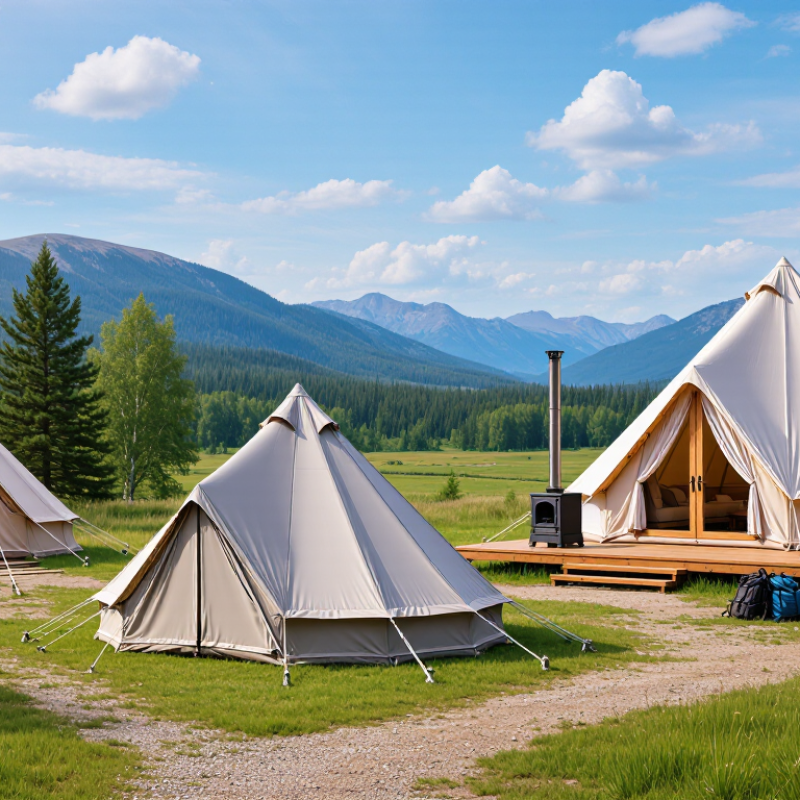
Hot-tent tipis add a stove jack for a compatible wood stove. That feature helps in cold weather, but safe ventilation and careful stove placement are essential. Not every model is designed for a stove.
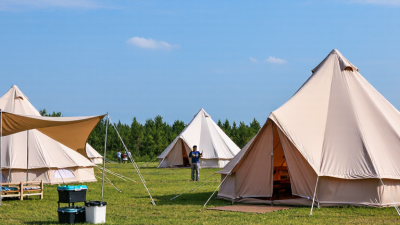
Family and glamping tipis prioritize standing room, wider entrances, and space for beds or chairs. They are comfortable at established campsites, but larger footprints need level ground and secure anchoring.
The Outdoor Industry Association’s 2024 Outdoor Participation Trends Report counted 175.8 million U.S. outdoor participants in 2023. That figure describes outdoor recreation broadly, not tipi demand, but it reflects the range of conditions shelters must serve.
No single tipi style fits every trip.
What Are the Best Types of Tipi Tents? How Materials and Construction Affect Performance
A tipi’s shape sheds wind and rain, but the fabric and seams determine how well it holds up. Cotton canvas breathes, helping reduce condensation when temperatures fall overnight. It also absorbs water, so a soaked tent can feel heavy and take longer to dry. Polyester is lighter and dries faster, though a tightly sealed synthetic tent may trap moisture inside. Textile Exchange’s Materials Market Report 2024 estimates polyester represented about 57% of global fiber production in 2023. That figure reflects broad availability, not proof that polyester is the best tent fabric.
Details matter. Check the fabric’s hydrostatic-head rating, seam construction, and reinforcement around pole contact points. ISO 811:2018 measures a fabric’s resistance to water pressure; ask for test results rather than relying on terms like “waterproof.” A tall tipi also places stress on its central pole and stake loops. Reinforced panels and secure guy lines help distribute that load, especially in gusts. For cold-weather use, a compatible liner can reduce drafts, but it adds weight and packing bulk. Small trade-offs. Compare the complete setup, not just the fabric sample. Specifications rarely capture every detail, and field performance can vary with pitching, wear, and weather.
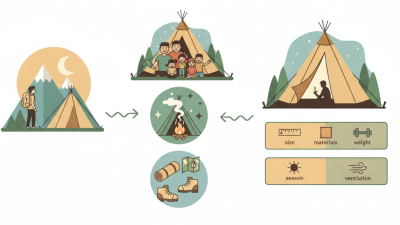
Fabric weight is one factor in tipi performance: lighter nylon and polyester are easier to carry, while heavier polycotton and cotton canvas generally provide a more substantial fabric. These are broad, representative fabric-weight ranges, not specifications for every tent; weather resistance and durability also depend on fabric treatment, weave, seams, and construction.
Tipi tents vary by weight, fabric, floor design, and ventilation. For backpacking, a compact synthetic tipi is easier to carry and usually dries faster after rain. Its lighter fabric can feel less substantial in gusty weather, so check the pole structure and guy-out points before choosing. Small details matter.
For car camping, a larger tipi with a removable floor offers more room for muddy boots and sleeping pads. Some models include a stove opening, but safe use depends on the tent’s design, clearances, and ventilation. A stove-ready label is not a substitute for careful setup. Cold mornings can still feel cold.
Canvas tipis suit longer stays and glamping, where space, a warm look, and room to stand may matter more than pack weight. The trade-off is a heavier load and slower drying time. For glamping, look for mesh panels, adjustable vents, and enough space for beds without blocking airflow. That comfort has limits. I would not choose a very large tipi just for appearance; it can be harder to pitch evenly, especially on uneven ground. Compare packed size, floor options, and expected weather against how you will actually travel.
The right tipi tent depends on where you camp, how you travel, and how many people need to sleep inside. Lightweight synthetic models suit hikers who count every kilogram. Canvas tents are heavier, but their roomy interiors can feel more comfortable during longer stays.
Space matters. Check the packed weight, floor area, and peak height—not just the advertised capacity. Two people and their wet gear need more room than two sleeping bags alone.
Think about weather and setup, too. A steep-sided design can shed rain, but wind exposure still depends on site choice, pitching, and secure guy lines. For damp conditions, look for practical ventilation and a door arrangement that lets you enter without brushing against wet fabric.
If you want a stove-compatible tent, confirm that its materials and stove opening are designed for that use. Follow the maker’s clearance and ventilation guidance. A stove is not a substitute for safe setup.
Tips
Practice pitching at home before your trip. Check the included pole or center-pole requirements, and see whether stakes suit your usual ground. Carry a groundsheet if the floor is not built in. It adds weight, admittedly, but can help keep bedding away from damp soil. Test your setup once in calm weather; discovering a confusing peg layout in the rain is no fun.