Leave Your Message

Top China Tipi Tents Manufacturers for Global Buyers

China has become a major sourcing base for Tipi Tents, serving glamping resorts, outdoor retailers, event operators, and family campers. Yet, product quality varies sharply between factories. A low price can hide weak canvas, unstable poles, poor stitching, or incomplete safety documentation.

The North American Camping Report 2024, published by Kampgrounds of America, recorded 57.8 million camping households in the United States and Canada during 2023. Grand View Research valued the global camping equipment market at approximately US$18.56 billion in 2023. It also forecast continued growth through 2030. These figures show strong outdoor demand, although most reports do not measure Tipi Tents separately. That gap deserves caution.

Toby O’Rourke, president and CEO of Kampgrounds of America, has said, “Camping is a way to reconnect with what matters most.” The idea sounds simple. Buyers still need evidence.

This guide examines leading Chinese manufacturers through practical criteria. These include canvas weight, waterproof ratings, flame-retardant treatment, pole materials, ventilation, stitching, replacement parts, and export experience. A durable tipi should feel stable when wind presses against its walls. Its doorway should close smoothly. Small details matter.

Supplier claims are not enough. Independent test reports, factory audits, product samples, and clear warranty terms provide stronger evidence. Buyers should also confirm packaging dimensions, container loading efficiency, and regional compliance requirements. Mistakes happen, even with experienced suppliers. Careful comparison remains essential.
Top China Tipi Tents Manufacturers for Global Buyers

Types of Tipi Tents Made by Chinese Manufacturers

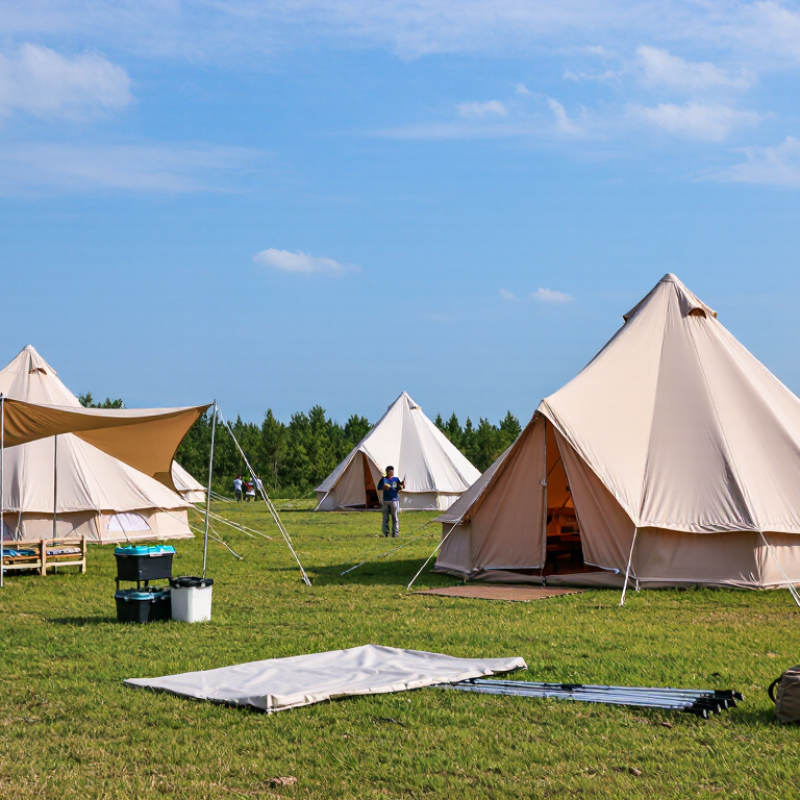
Chinese manufacturers produce several tipi tent types for global buyers, with materials shaped by climate, use, and budget. Traditional canvas tipis use breathable cotton or polycotton, often around 280–450 gsm. They suit campsites and seasonal accommodation. Waterproof polyester versions are lighter and dry faster. They work better for touring, rental fleets, and frequent packing.

Glamping tipis usually offer taller walls, zippered doors, stove-jack options, and reinforced floor seams. Some models include insulated liners for colder regions. Event tipis may use heavier fabric, larger diameters, and removable side panels. Family models focus on standing space and ventilation. A useful detail: many Chinese factories can adjust pole length, window placement, and fabric coatings for different markets.

Grand View Research places the global camping equipment market in the multi-billion-dollar range and identifies rising outdoor travel as a key growth factor. However, most industry reports group tipi tents with broader camping-tent categories. Precise tipi-only figures remain limited. That matters when forecasting demand. Buyers should request fabric weight, hydrostatic-pressure results, seam-tape details, fire-safety documentation, and packing dimensions. The ISO 5912 tent standard can support quality evaluation, although compliance needs confirmation for each model and destination. Specifications can look impressive. Field testing still matters.
Key Materials and Construction Standards for Tipi Tents

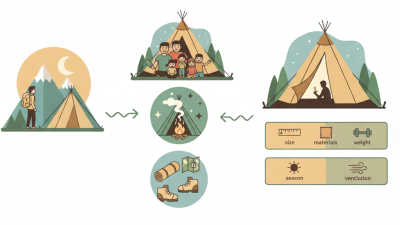
Choosing a reliable China tipi tent manufacturer starts with materials, not appearance. Cotton canvas offers a natural feel and strong breathability. Polyester canvas usually dries faster and weighs less. Some outdoor models use blended fabric for balanced performance. Ask for fabric weight, waterproof rating, UV resistance, and shrinkage data. These details matter during humid summers and sudden rain.

Construction quality deserves close inspection. Look for reinforced pole sleeves, double-stitched seams, bar-tacked stress points, and adjustable guy lines. Galvanized steel poles provide strength, while aluminum reduces carrying weight. A strong groundsheet should resist abrasion and connect securely to the tent wall. Flame-retardant treatment must match the destination market and its testing requirements. Do not accept vague claims such as “international standard.” Request current laboratory reports and verify whether they cover the exact fabric.

Tips: Ask for a complete sample before placing a large order. Check seam sealing after repeated folding. Measure the packed size yourself. A water test helps, but it cannot replace long-term field use. Also inspect zippers, eyelets, and pole joints; small failures often appear there first. Supplier documentation can look perfect, yet workmanship may vary between batches. This is where careful sampling becomes essential. I would also confirm replacement parts, inspection procedures, and packaging protection before shipment.

How to Evaluate Chinese Tipi Tent Suppliers

Top China Tipi Tents Manufacturers for Global Buyers

How to Evaluate Chinese Tipi Tent Suppliers

Choosing a Chinese tipi tent supplier requires more than comparing online prices. Check the supplier’s factory details, production experience, and export records. Request recent photos of sewing lines, fabric storage, and finished tents. A polished catalog can still hide weak quality control. That is easy to miss.

Ask for a complete sample before placing a large order. Examine canvas weight, waterproof coating, seam strength, pole joints, zippers, and ground pegs. The tent should stand firmly on different surfaces. Request test reports for water resistance and fabric performance. Verify whether materials meet the destination market’s safety requirements. Specifications should be written clearly, not explained through vague promises.

Tips: Compare samples from at least two suppliers. Confirm fabric composition, dimensions, packing size, minimum order quantity, and lead time in writing. Ask how defects are recorded and replaced. A pre-shipment inspection can reveal crooked stitching or missing parts. It adds cost, but often prevents larger losses. Also, test supplier communication with a small question first. Slow or unclear replies may become serious during production.

Pricing deserves careful review. A low quotation may exclude packaging, accessories, inspection, or shipping documents. Request a detailed pro forma invoice and payment schedule. Discuss customization limits before approving artwork. Some suppliers accept changes too easily, then struggle to deliver them. That warning is worth taking seriously. Reliable cooperation depends on evidence, consistent communication, and realistic promises.

Customization, Pricing, and Minimum Order Requirements

Choosing a China-based tipi tent manufacturer requires more than comparing catalog prices. Customization usually covers fabric color, canvas weight, pole materials, window placement, flooring, logos, and packaging. Each change can affect production time and unit cost. I have found that detailed drawings reduce misunderstandings, especially for door dimensions and ventilation points. Samples matter. Photos alone can hide stitching weakness or uneven waterproofing.

Pricing depends on fabric grade, order volume, accessories, inspection, and shipping terms. A low quotation may exclude packaging or export delivery. Ask for a full cost sheet. Request separate prices for prototypes, standard units, and repeat orders. Minimum order quantities vary widely. Some suppliers accept a small trial batch, while others require hundreds of tents. A smaller MOQ often carries a higher unit price. That is reasonable, but not always economical. I once underestimated replacement packaging costs, which changed the final margin.

Tips: Confirm the MOQ in writing. Ask whether mixed colors count as one order. Set measurable requirements for waterproofing, seam strength, flame-resistant treatment, and packing size. Check production samples before mass manufacturing. Keep a realistic lead-time buffer. A few extra days can prevent rushed inspections. Custom printing also deserves care; artwork files, color references, and approval deadlines should be recorded. Do not assume every quoted feature is included. Review the contract twice. That small habit can expose expensive gaps.

Top China Tipi Tents Manufacturers for Global Buyers - Customization, Pricing, and Minimum Order Requirements

Supplier Profile Typical Product Category Common Diameter Range Primary Materials Customization Options Indicative Factory Price Typical MOQ Estimated Production Lead Time Best Suited For
Profile A
Standard Canvas OEM
Traditional cotton-canvas tipi tents for camping, festivals, and outdoor retail 3–6 m Water-repellent cotton canvas, galvanized steel or wood poles, reinforced groundsheet Logo printing Color selection Window placement Packaging design US$90–280 per set 30–100 sets 20–35 days after sample approval Online retailers, distributors, camping brands, and seasonal promotions
Profile B
Heavy-Duty Canvas OEM
Four-season tipi tents designed for repeated commercial and outdoor use 4–8 m Heavy-duty cotton canvas, PVC-coated floor, powder-coated steel or hardwood frame Custom dimensions Snow skirt Stove jack Extra doors US$180–520 per set 20–50 sets 25–45 days Tour operators, rental companies, campsites, and adventure suppliers
Profile C
Glamping Tipi Specialist
Large luxury tipi tents for accommodation, resorts, and hospitality projects 5–10 m Poly-cotton or treated canvas, waterproof PVC floor, galvanized steel structure Room layout Panoramic windows Insulation Custom curtains US$350–1,200 per set 5–20 sets 30–60 days Glamping resorts, eco-lodges, hospitality developers, and holiday parks
Profile D
Event and Hospitality Tent OEM
High-capacity tipi structures for weddings, exhibitions, dining, and corporate events 8–18 m Flame-retardant polyester or PVC-coated fabric, aluminum or galvanized steel frame Branding panels Modular connectors Floor systems Lighting points US$800–3,000 per set 1–5 sets 35–70 days Event rental companies, wedding venues, exhibition contractors, and caterers
Profile E
Lightweight Outdoor Supplier
Portable tipi tents for backpacking, family camping, and recreational use 2.5–5 m Polyester or poly-cotton fabric, aluminum poles, sewn-in or detachable floor Fabric color Carry bag Ventilation Retail labeling US$60–190 per set 50–200 sets 18–30 days Outdoor wholesalers, e-commerce sellers, sporting-goods retailers, and promotional buyers
Profile F
Project-Based Custom Manufacturer
Made-to-order tipi systems for permanent or semi-permanent outdoor installations 6–20 m Architectural membrane, PVC-coated polyester, galvanized steel, aluminum, and engineered flooring Engineering drawings Structural changes Fire-rating options Installation support US$1,500–8,000+ per project 1 project 45–90 days, depending on engineering requirements Resorts, public venues, tourism projects, construction contractors, and developers

Pricing and order quantities are typical China OEM market ranges for export inquiries. Actual quotations depend on fabric specifications, structure, accessories, packaging, inspection requirements, shipping terms, and order volume.

Export, Quality Control, and Global Buyer Considerations

Top China Tipi Tents Manufacturers for Global Buyers

China-based tipi tent manufacturers increasingly serve outdoor hospitality, events, and private camping markets. Grand View Research valued the global camping equipment market at about USD 18 billion in 2023. It also forecasts steady growth through 2030. Exporters must therefore prove more than attractive pricing. They need stable fabric sourcing, documented production controls, and responsive communication across time zones.

Quality begins with measurable details. Buyers should request fabric composition, waterproof ratings, seam-taping records, and flame-performance test reports. ISO 2859-1 sampling can support consistent inspection decisions during mass production. However, sampling cannot replace full attention to poles, ropes, zippers, and packed accessories. Small failures matter. A loose guyline may become a serious field complaint during strong wind. Pre-shipment inspections should check dimensions, stitching density, carton strength, labeling, and spare-part quantities.

Global demand also reflects changing consumer behavior. The Outdoor Foundation reported 175.8 million American participants in outdoor recreation during 2023. That audience expects safer, clearer, and more durable products. Importers should confirm destination-market requirements before ordering, including fire, chemical, packaging, and consumer-product rules. Test reports must match the actual fabric and production site. This is often overlooked. Factory videos are useful, but they are not independent evidence. I would request production samples, batch records, and photographs from random cartons. No supplier is flawless; even experienced exporters can miss a specification after a design change. Clear approval procedures reduce that risk.