Leave Your Message

China Top 10 Hiking Day Pack Manufacturers

China’s hiking equipment market includes manufacturers serving outdoor brands, retailers, and private-label buyers. This guide introduces ten Chinese manufacturers associated with hiking day packs, focusing on practical production capabilities rather than promotional claims. The right supplier should make more than a convincing product photo.

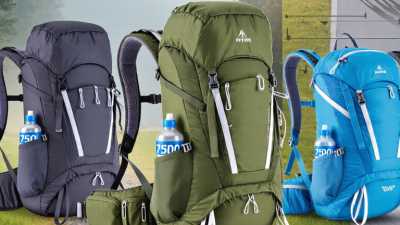
A Hiking Day Pack must balance weight, fit, access, and durability. Details matter. Padded shoulder straps, a stable sternum strap, reinforced seams, breathable back panels, and usable pockets can all affect comfort on a steep trail. For buyers, material specifications, sample quality, customization options, minimum order quantities, and communication practices also deserve close review. Ask how fabrics are tested and how inspection findings are documented. Real samples help.

Not every factory suits every project. Some may excel at technical construction, while others focus on flexible customization or larger production runs. Capabilities can change, and online descriptions do not always reveal production limits. Treat this list as a starting point, not a certification. Verify current facilities, references, lead times, and quality-control procedures directly before making a sourcing decision. A small inconsistency in stitching may seem minor indoors. On a wet, loaded trail, it can matter. That distinction is easy to overlook, and this overview cannot replace hands-on testing.
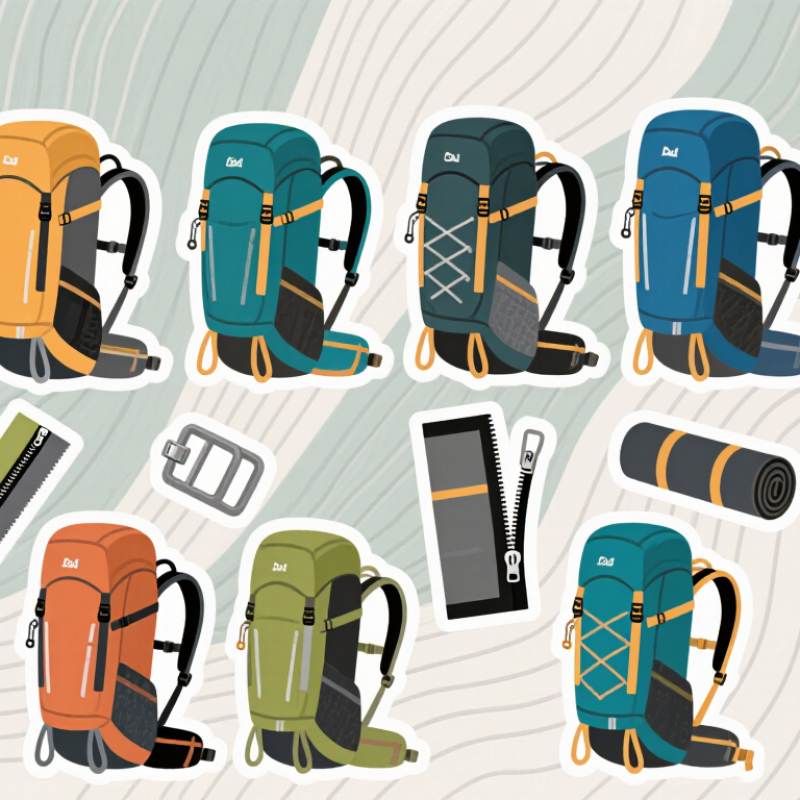
China Top 10 Hiking Day Pack Manufacturers

What Defines a Hiking Day Pack and Its Core Uses

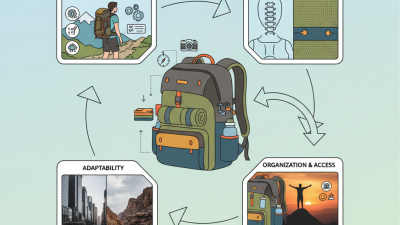
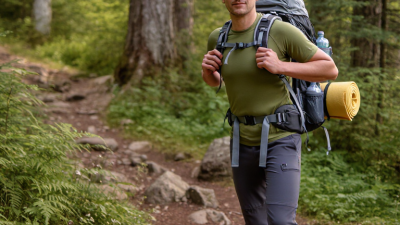
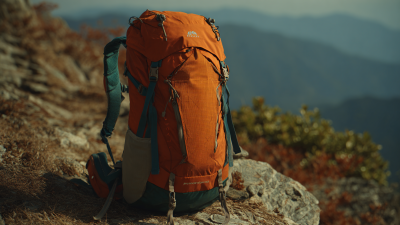
A hiking day pack is a compact backpack designed to carry essentials for a walk that ends the same day. It typically holds water, food, a light layer, navigation tools, and basic first aid—not a full overnight kit. Fit matters. A stable hip belt, adjustable shoulder straps, and reachable pockets help keep weight comfortable on uneven trails. Capacity alone can mislead; a larger bag may simply invite unnecessary loading.

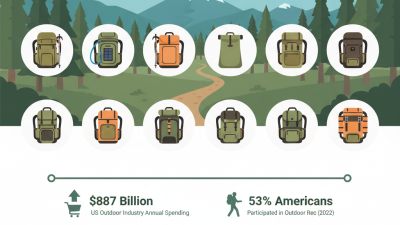
The Outdoor Industry Association’s 2024 Outdoor Participation Trends Report counted 175.8 million US outdoor participants in 2023. The National Park Service recorded 325.5 million recreation visits that year. These figures show broad outdoor use, but neither counts unique day hikers specifically. That distinction matters.

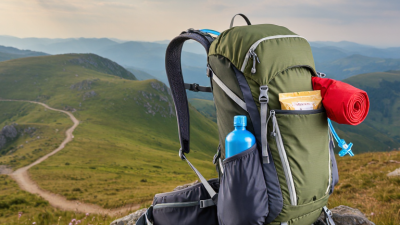
For a short local trail, a small pack may carry water and a snack; longer or remote routes call for more insulation, food, and emergency supplies. Mesh side pockets make bottles easy to reach, while a rain cover can protect spare clothing during a sudden shower. Still, no pack replaces route planning or checking the forecast. On familiar trails, people sometimes carry too much—or overlook the water they actually need.
How China’s Hiking Day Pack Manufacturing Industry Is Organized

China’s hiking day pack manufacturing industry is organized as a network of material suppliers, product developers, sewing factories, and export teams. Production is often concentrated in manufacturing regions where fabric, foam, zippers, webbing, and buckles can be sourced nearby. This proximity can shorten sampling cycles and help factories respond when specifications change. Details matter.

A typical project begins with a design brief, measurements, and a sample. Developers check pocket placement, strap shape, padding, and access to common hiking essentials. After revisions, the factory prepares a bill of materials and production instructions. Some manufacturers manage design and production together; others focus on sewing while partner firms supply materials or handle finishing. This structure gives buyers options, but responsibilities must be clearly defined.

On the production floor, teams cut panels, sew compartments, attach shoulder straps, and inspect finished packs. Checks may include seam strength, zipper movement, stitching consistency, and measurements against the approved sample. Quality depends on more than the final inspection; small errors can spread when line workers lack clear instructions. The system is efficient, but not flawless. A practical lesson is to review samples and inspection records, not just a factory’s stated capacity. Export staff may coordinate packing and shipping documents, while the buyer still needs to confirm specifications, tolerances, and packaging details before production starts.

Criteria for Evaluating Leading Hiking Day Pack Manufacturers

A reliable hiking day pack manufacturer should explain how its design performs on actual trails, not just show polished product photos. Check whether the stated capacity matches usable space, and ask how the pack carries a water bottle, rain shell, and compact first-aid kit. Small details matter. Look closely at bar-tacked stress points, zipper movement, seam finish, and shoulder-strap padding. Ask for fabric specifications and evidence of abrasion or load testing. Clear answers are more useful than broad claims such as “heavy duty.”

Evaluate the maker’s process, too. Request a production sample and compare it with the approved specification, including dimensions, materials, and pocket placement. A sample can look convincing yet hide inconsistent stitching. Ask how incoming fabric, in-line work, and finished packs are inspected, and whether defects are recorded by type. Useful evidence includes dated inspection records and repeatable test methods. Communication also counts: Can the manufacturer explain lead times, sample changes, and minimum order quantities without vague promises? I would not judge quality from one unit alone; production consistency is harder to verify, and this criterion deserves a second look.

Profiles of Ten Notable Hiking Day Pack Manufacturers in China

China’s hiking day-pack industry includes factories with different strengths, from precise stitching to export-scale production. The Outdoor Industry Association’s 2024 Outdoor Participation Trends Report recorded 175.8 million US outdoor participants in 2023. This measures participation, not backpack sales, but it offers useful context for export demand. That distinction matters.

A ten-profile comparison can highlight an OEM sewing specialist with reinforced bar tacks; a lightweight-pack maker focused on low-bulk fabrics; a hydration-sleeve specialist; and a workshop offering torso-fit adjustments. Other profiles may emphasize frame-free designs, recycled textiles, weather-resistant construction, high-volume export orders, small custom batches, or in-house quality checks. These are capability profiles, not a verified ranking. Factory claims still need checking.

Tips: Ask for a sample loaded with a water bladder and a jacket. Inspect zipper pulls, shoulder-strap seams, and the base panel. Request fabric specifications and batch inspection records. A neat sample can hide uneven production; I would not judge consistency from one piece alone.

Materials, Quality Standards, and Customization Options

When comparing China’s top 10 hiking day pack manufacturers, look beyond product photos. Ask for fabric specifications, sample reports, and details about seam construction. Common choices include ripstop nylon and polyester, but denier alone does not prove durability. Check coating type, abrasion results, colorfastness, and whether recycled-content claims have supporting documents. A sample should feel consistent across panels. Small differences matter.

Quality checks should match the pack’s intended use. Inspect zipper operation, bar-tack stitching at strap anchors, buckle strength, and loaded comfort. Ask which test methods and acceptance limits the factory uses; requirements can vary by buyer and destination market. Useful records are specific, dated, and tied to the sampled model. Generic certificates tell less. Customization may cover capacity, pocket layout, foam thickness, fabric color, and logo placement. Request a revised sample before approving bulk production, especially when changing strap geometry or fabric weight. A neat prototype is not a guarantee. I would also ask how defects are recorded and corrected, since that answer can be less polished, but more revealing.