Leave Your Message

Why Choose a Hiking Day Pack for Your Outdoor Business?

Outdoor customers are moving more often, and their expectations are becoming more practical. The Outdoor Industry Association’s 2024 Outdoor Participation Trends Report recorded 175.8 million American outdoor participants in 2023. Participation also increased by 4.7 percent. These figures reveal a valuable opportunity for outdoor businesses. A well-designed Hiking Day Pack can serve commuters, weekend hikers, families, and serious trail users.

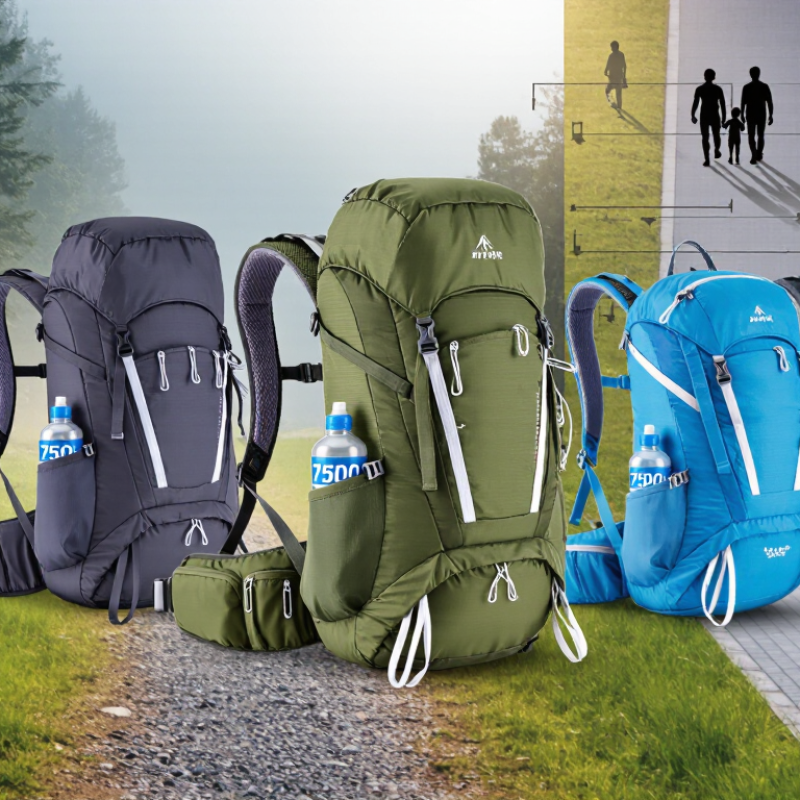
The product sits close to the customer’s daily experience. A breathable back panel matters on a humid climb. Side pockets should hold a 750-milliliter bottle securely. Zippers must remain usable with cold or wet fingers. According to Grand View Research’s Outdoor Backpack Market analysis, demand is supported by rising outdoor recreation and travel activity. Retailers should therefore assess comfort, durability, repairability, and capacity before choosing suppliers. Appearance alone is not enough.

Colin Fletcher, author of The Complete Walker, wrote, “A backpack is a portable home.” That idea remains useful, although it is not complete. A modern Hiking Day Pack is also a safety tool, storage system, and brand touchpoint. Customers notice shoulder pressure after three hours. They remember torn seams after one storm. Businesses that test packs on real trails can offer more credible advice. Staff should carry sample loads, inspect stitching, and explain fit honestly. Some customers need 12 liters. Others need 30. There is no universal winner. That uncertainty deserves attention, because reliable recommendations build trust more effectively than exaggerated claims. Sources: Outdoor Industry Association, 2024 Outdoor Participation Trends Report; Grand View Research, Outdoor Backpack Market Analysis.
Why Choose a Hiking Day Pack for Your Outdoor Business?

Definition and Role of Hiking Day Packs in Outdoor Business

Why Choose a Hiking Day Pack for Your Outdoor Business?

A hiking day pack is a compact backpack designed for trips lasting one day. It usually carries water, food, a light jacket, navigation tools, and basic safety equipment. Most practical models hold about 15 to 30 litres. They should distribute weight across the shoulders and hips, not pull heavily on the lower back. Ventilated panels matter during steep climbs. Separate pockets also reduce time spent searching for small items.

The demand is significant. The Outdoor Industry Association’s 2024 Outdoor Participation Trends Report recorded 175.8 million Americans participating in outdoor recreation during 2023. The U.S. Bureau of Economic Analysis reported that outdoor recreation generated 639.5 billion dollars in economic output that year. These figures show why day packs can support rental services, guided trips, retail sales, and staff operations. A well-fitted pack may improve comfort, encourage repeat use, and reduce complaints about poor organization. Small details matter. A reachable bottle pocket helps on a hot trail.

However, a day pack is not a universal solution. It may feel too small for winter layers or technical equipment. Lightweight materials can also reduce long-term durability. Outdoor businesses should test packs with real loads, wet clothing, and uneven trails before selecting inventory. That step is often skipped. It should not be.

Why Choose a Hiking Day Pack for Your Outdoor Business?

Hiking day packs are compact carrying solutions designed for essential gear, hydration, food, clothing layers, and safety equipment during short outdoor activities. Their capacity makes them suitable for multiple customer segments and retail applications.

The chart shows representative pack capacities commonly used for different hiking scenarios. A versatile 20–30 liter range can support the widest variety of day-hiking customers, making it a practical category for outdoor businesses.

Key Features That Support Day Hikers’ Needs

Why Choose a Hiking Day Pack for Your Outdoor Business?

Day hikers need practical support, not expedition-level bulk. The Outdoor Foundation’s 2024 Outdoor Participation Trends Report recorded 175.8 million U.S. outdoor participants in 2023. This large market includes casual walkers, families, and experienced trail users.

A useful day pack usually holds 15 to 25 liters. That space fits water, snacks, a light layer, first-aid supplies, and a phone. Adjustable shoulder straps and a sternum strap help stabilize the load on uneven ground. A breathable back panel can reduce heat near the shoulders. A padded hip belt may improve comfort, especially during longer walks. Side pockets should remain reachable while moving. Hydration compatibility also supports steady drinking without frequent stops. However, comfort depends on body shape and load balance. One design cannot suit everyone.

Tips: Test the pack with real trail weight. Walk uphill, bend forward, and check pocket access. A larger pack can appear more capable, but it may encourage overpacking. Add a rain cover only when needed. Reflective details can improve visibility near roads, though they do not replace safe route planning. For outdoor businesses, field testing with different hikers is essential. Small fit problems often become obvious after two hours, not two minutes.

Business Benefits of Offering Hiking Day Packs

Offering hiking day packs can create a practical revenue stream for outdoor retailers, tour operators, and corporate retreat planners. Customers often need a compact bag for water, snacks, maps, and a light jacket. A well-designed 15- to 25-liter pack fits that day-use gap. It also gives staff an easy product to demonstrate beside footwear, clothing, or guided-trip services. The benefit is visible utility, not just shelf appeal.

Merchandising becomes more flexible when the pack serves several customer groups. A retailer can sell it to beginners, families, and experienced hikers. A tour operator can rent it or include it in a trip package. Custom colors or practical compartments may support event sales without changing core function. Reliable zippers, breathable back panels, and adjustable straps matter more than decorative details. Staff should test loaded packs on real trails before recommending them.

Business results still require honest review. Our early sample looked attractive but placed bottle pockets too low, slowing access on steep paths. Customer feedback exposed that mistake. Tracking return rates, add-on sales, rental damage, and repeat orders can guide better purchasing decisions. Clear care instructions reduce avoidable wear. Day packs are not a guaranteed success. Poor sizing or weak stitching can damage trust quickly. Small field tests, documented inspections, and transparent claims make the offer more dependable.

Why Choose a Hiking Day Pack for Your Outdoor Business? - Business Benefits of Offering Hiking Day Packs
Business Dimension Category Data and Practical Benchmark Business Benefit Recommended Commercial Action
Product Capacity 15–30 liters is a practical capacity range for day hikes, accommodating water, food, an extra layer, first-aid supplies, and small personal items. Supports several outdoor use cases without requiring customers to purchase a large multi-day backpack. Offer at least two capacity options, such as a compact day model and a larger all-day model.
Product Weight A typical lightweight hiking day pack commonly weighs approximately 0.4–1.2 kg, depending on frame structure, padding, pockets, and technical features. Lower product weight improves comfort and makes the pack attractive to casual hikers as well as experienced users. Display pack weight clearly on product pages and packaging to make comparison easier.
Hydration Compatibility Many day-hiking configurations carry approximately 1.5–3 liters of water through bottles or a hydration reservoir. Hydration-related features increase everyday usefulness and create opportunities to bundle accessories. Include stretch bottle pockets, a reservoir sleeve, a hose-routing port, or compatible hydration accessories.
Weather Protection Common protection levels range from water-resistant fabric and coated zippers to a separate rain cover. Fabric waterproofness ratings, when supplied, are often presented in the approximate 1,500–5,000 mm range for outdoor day-pack materials. Weather protection reduces product-risk concerns and makes the pack suitable for more destinations and seasons. State the difference between water-resistant and waterproof performance clearly, and include a rain cover in higher-value configurations.
Carrying Comfort Useful comfort features include breathable back panels, padded shoulder straps, adjustable sternum straps, and load-stabilizing hip belts. Adjustable torso systems commonly cover approximately 40–55 cm. Better fit reduces returns caused by discomfort and broadens the addressable customer group. Provide fit guidance, measurement instructions, and product images showing both small and large body frames.
Retail Price Architecture Non-branded hiking day packs are commonly positioned across entry, mid-range, and technical tiers, with indicative retail bands of approximately US$30–US$180. A tiered assortment allows the business to serve occasional hikers, regular users, and feature-focused customers. Build a three-level assortment: basic, comfort-focused, and technical, with clearly differentiated features.
Cross-Selling Potential A day pack can be paired with practical accessories such as water bottles, hydration reservoirs, rain covers, trekking poles, packing organizers, and first-aid kits. Accessory attachment can increase average order value without requiring a new primary product category. Create bundled offers around common hiking missions, such as short trail trips, family outings, and full-day excursions.
Inventory and Fulfillment Compared with larger travel or multi-day backpacks, day packs generally have a smaller physical footprint and fewer size-specific variants. Lower dimensional complexity can simplify storage, picking, shipping, and seasonal assortment planning. Use a limited core color range, maintain key capacity options, and add seasonal colors only after demand is validated.
Customer Segmentation Day packs serve multiple activities, including hiking, walking, commuting, travel, sightseeing, cycling, and outdoor education. One product category can reach both dedicated outdoor customers and general lifestyle shoppers. Merchandise the same product by activity and use case rather than listing it only under “hiking.”
Return and Quality Control Common inspection points include stitching, zipper operation, buckle strength, strap adjustment, pocket accessibility, fabric coating, and seam finishing. Consistent quality checks protect customer satisfaction and reduce avoidable replacement and return costs. Use a pre-shipment checklist and test high-stress areas such as shoulder-strap attachment points and grab handles.

Data note: The ranges above are non-branded category benchmarks based on common specifications used for hiking day packs. Actual performance, pricing, capacity, and product weight vary by construction, materials, region, and sales channel.

How to Select Packs for Different Outdoor Customers

Why Choose a Hiking Day Pack for Your Outdoor Business?

How to Select Packs for Different Outdoor Customers

A hiking day pack suits customers who need practical storage without heavy bulk. For short trails, choose lightweight packs with breathable back panels and adjustable shoulder straps. Families often need wider openings, water bottle pockets, and simple compartments. Weekend hikers may value stronger fabric, hip belts, and hydration compatibility. During field testing, I have found that comfort matters more than impressive capacity. A poorly fitted pack can spoil an otherwise easy walk.

Different customers also need different levels of protection. Urban walkers may prefer discreet designs with laptop sleeves and reflective details. Trail users need secure closures, rain resistance, and stable weight distribution. Guides and frequent hikers usually require durable materials, repairable parts, and accessible pockets. Do not rely only on supplier specifications. Ask customers what they carry, where they walk, and how long they stay outside. I once selected a spacious pack that looked useful, but its deep pockets made small items difficult to find.

Tips: Keep sample packs available for fitting. Add realistic weight, such as water, a jacket, and snacks. Check whether the straps rub near the neck. Offer several back lengths when possible. Avoid choosing one universal model. It sounds efficient, but customer needs rarely match so neatly. Record feedback after trips, including complaints that seem minor. Those details often reveal the most important design problems.

Factors Affecting Product Quality, Cost, and Market Appeal

Why Choose a Hiking Day Pack for Your Outdoor Business?

A hiking day pack can turn practical needs into daily sales. The Outdoor Industry Association’s 2024 report recorded 175.8 million U.S. outdoor participants in 2023. That audience values comfort, durability, and easy storage. A useful day pack should carry water, snacks, a light jacket, and small electronics without feeling bulky. In field inspections, shoulder seams and zipper tracks deserve close attention. They often reveal quality problems first. A damaged buckle can ruin an otherwise attractive product.

Cost depends on fabric weight, coating, labor, hardware, testing, and packaging. Recycled materials may support market appeal, but they do not automatically improve performance. Buyers still expect abrasion resistance and reliable water protection. Grand View Research estimates the global hiking backpacks market will expand at about 5.8% annually through 2030. This suggests room for growth, but crowded shelves create pressure. A cheaper pack may sell quickly. It may also increase returns if stitching fails. That trade-off deserves honest review.

Tips: Test loaded packs on real trails, not only showroom tables. Check pressure points after two hours. Compare supplier samples before approving volume production. Measure usable capacity, not just advertised liters. Keep colors practical, but add one distinctive option. I would also question unnecessary features. Extra pockets look impressive, yet they add weight, labor, and failure points. A simple design may be less exciting, but it can perform better and cost less.