Leave Your Message

What Is the Best Hiking Day Pack for 2026?

Choosing the best Hiking Day Pack for 2026 is less about finding the biggest bag or the newest feature. It is about matching capacity, fit, and weather protection to the hikes you actually take. A pack that feels comfortable in a shop may rub after several miles, especially when its straps sit poorly or its load shifts on uneven ground. Small details matter. Think of a full water bottle pressing against your side, or a rain shell buried beneath snacks when clouds gather.

This guide compares the features that make a day pack useful on the trail: adjustable shoulder and sternum straps, supportive back panels, accessible pockets, durable materials, and enough room for essentials without encouraging overpacking. It also considers weight, ventilation, and hydration compatibility, since a dry, stable load can make a long climb feel more manageable. There is no single winner for every hiker. A short local loop calls for different priorities than a full-day route with changing weather. Even a careful comparison has limits; fit varies between bodies, and comfort can change with the load. Treat recommendations as a starting point, then check sizing and return policies before buying. The right choice should carry what you need, stay comfortable over real mileage, and leave you thinking about the trail—not your pack.
What Is the Best Hiking Day Pack for 2026?

What Defines a Hiking Day Pack in 2026?

What defines a hiking day pack in 2026? It is a pack sized for trips completed in a day, with room for water, food, an extra layer, navigation tools, and basic first-aid supplies.

The right capacity depends on the route, weather, and your habits. A short woodland loop needs less than a long, exposed ridge.

Fit matters more than a long feature list. Shoulder straps should sit smoothly, while the hip belt steadies the load without rubbing. Try it with weight inside.

A useful day pack balances comfort, access, durability, and simple organization.

Look for breathable back-panel materials, adjustable straps, secure pockets, and fabric that can handle brush or damp ground. A rain cover helps, but it may not keep everything dry in prolonged rain.

Small details count: Can you reach a water bottle while wearing the pack? Does the zipper work with gloves? Is your warm layer buried under lunch? Not glamorous. Still important.

Claims about sustainable materials deserve a closer look; repair options and clear material information are more useful than vague promises.

No pack fixes poor preparation, and even a good fit may feel different after several hours. Test it on a short walk first.
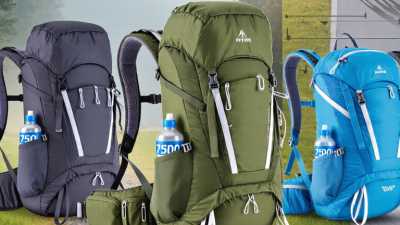
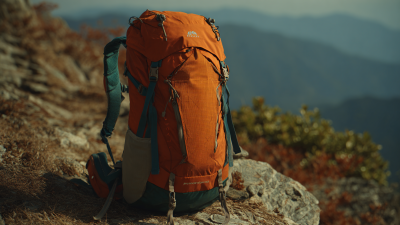
Which Features Matter Most When Comparing Day Packs?

A useful day pack should carry water, a light layer, food, and small essentials without swinging when you step over uneven ground. Fit matters most. Check that the shoulder straps sit smoothly and the hip belt rests on your hips, not your stomach. Load the pack before buying, then walk, bend, and reach. Test it loaded. A comfortable empty pack can feel very different after a few hours.

Capacity is only one part of the comparison. Look for accessible side pockets, a secure place for valuables, and a back panel that suits your climate and clothing. A sternum strap can steady the load, while adjustable torso length helps fine-tune fit. The Outdoor Industry Association’s 2024 Outdoor Participation Trends Report counted 175.8 million U.S. outdoor recreation participants in 2023; that broad participation figure does not measure pack preferences, but it underlines how varied day trips can be. Choose features for your usual routes, not every imagined emergency. I would also question claims of “all-day comfort”: body shape, heat, and how the pack is loaded can change the experience. Some trade-offs are unavoidable.

What Is the Best Hiking Day Pack for 2026?

Feature priorities when comparing day packs

Scores are a practical editorial weighting, not results from a product test or consumer survey. Prioritize a comfortable, well-fitting pack first; capacity and fit should suit your hike, gear, and torso.

How Do Capacity, Fit, and Materials Affect Pack Choice?

A day pack should carry what your hike actually requires, not every item you might someday need. For a short, familiar trail, 15 to 25 liters may hold water, lunch, a light layer, and basic first aid. Longer routes or changeable weather can call for 25 to 35 liters. Capacity labels are only a starting point; bulky insulation can fill a pack faster than expected. A quick test helps: load your usual gear before buying, then check whether essentials remain easy to reach.

Fit matters on the trail. Adjust the shoulder straps and hip belt with a realistic load, not an empty pack. The weight should feel stable, with no sharp pressure near your collarbones or hips. Walk, bend, and reach overhead. Small details matter. Torso length varies, and a pack that feels fine in a shop may rub after several hours. I once underestimated this; a loose strap became distracting by lunchtime.

Materials shape comfort and durability. Lightweight fabrics can reduce fatigue, while tougher, denser cloth may better handle rough rock and frequent use. Water-resistant coatings help with brief showers, but seams and zippers can still let water through. A simple pack liner is often more dependable than assuming the fabric is fully waterproof. Consider ventilation, too: a close-fitting back panel may feel secure, yet hold heat on a steep climb. No single design suits every body or route. The best choice is the one that carries your real load comfortably, without unnecessary bulk.

What Is the Best Hiking Day Pack for 2026? How Do Capacity, Fit, and Materials Affect Pack Choice?

Pack Type Typical Capacity Typical Empty Weight Best-Suited Carrying Load Fit and Support Common Materials and Trade-Offs Best Use
Minimal frameless pack 10–20 L 0.2–0.5 kg About 3–7 kg Usually relies on shoulder straps; some models offer a simple hip belt. Fit matters because there is little structure to stabilize the load. Often uses lightweight nylon or polyester, commonly around 70D–210D. Lower weight can mean less abrasion resistance and fewer organizational features. Short hikes, fast outings, or hikers carrying compact essentials.
Small structured day pack 15–25 L 0.4–0.8 kg About 4–8 kg Typically has a padded back panel and shoulder straps; a sternum strap can improve stability. A hip belt may be minimal or absent. Commonly uses nylon or polyester fabrics in roughly the 100D–300D range. A supportive panel adds structure but also weight. Easy day hikes and light loads, including water, food, and a spare layer.
General-purpose day pack 20–30 L 0.6–1.1 kg About 5–10 kg Often includes a more substantial back panel, sternum strap, and light hip belt. Adjustable torso length can help achieve a more secure fit. Common fabrics include nylon or polyester around 200D–420D, with lighter panels sometimes used to reduce weight. Coatings and construction affect water resistance. Most full-day hikes in mild conditions, with room for extra clothing and a larger food or water supply.
Internal-frame day pack 25–35 L 0.9–1.6 kg About 7–14 kg A frame sheet or stays help transfer some load toward the hips. A properly sized torso and a hip belt that sits on the hip bones are especially important. Often combines tougher nylon or polyester panels, commonly around 210D–420D, with reinforced areas. Frame components and heavier fabrics increase durability and weight. Long day hikes, changing weather, or outings that require extra layers and equipment.
Technical or weather-focused day pack 18–30 L 0.7–1.5 kg About 5–12 kg Fit may prioritize close body contact and freedom of movement. Check that straps remain stable when reaching, scrambling, or wearing extra layers. May use abrasion-resistant nylon, coated fabrics, or water-resistant construction. Water-resistant fabric is not automatically waterproof; seams and openings can still admit water. Rugged terrain, shoulder-season hikes, or activities where secure carry and weather protection matter.

How to choose: Capacity and weight figures are typical ranges, not universal specifications. Choose a pack that fits your torso, carries your expected load comfortably, and has enough room for essential layers, food, water, and safety gear. Torso length is a more useful fit measure than overall height; try the loaded pack when possible.

Which Day Pack Type Suits Different Hiking Conditions?

For short, well-marked walks in mild weather, a simple 10–18-liter day pack is often enough. It carries water, a light layer, snacks, and a small first-aid kit without feeling bulky. Look for padded shoulder straps and a sternum strap that sits comfortably while you move. A waist belt can help, though it may feel unnecessary on an easy stroll. Fit matters.

Longer hikes call for roughly 20–30 liters, especially when the forecast is uncertain or the trail has few places to refill water. Choose a pack with an accessible side pocket, a secure place for a rain shell, and enough room to separate damp clothing from dry items. Test it with the weight you expect to carry; an empty pack can hide pressure points that appear after several miles. Weather changes.

For steep, rocky routes or exposed ridgelines, prioritize a close, stable fit over extra capacity. A firm back panel and adjustable compression straps can reduce shifting when you scramble or lean forward. In hot conditions, a ventilated back panel may improve comfort, but it can also leave the pack sitting farther from your body. No design solves every problem. I would rather carry a slightly smaller pack that stays balanced than fill unused space with gear I may not need. Still, the right choice depends on your water needs, clothing, and trail conditions.

How Can Hikers Match a Pack to Their Needs?

A good day pack fits the hike, not an imagined adventure. For a short local trail, a compact bag may carry water, a light layer, snacks, and a small first-aid kit. Longer routes often call for more room, especially when weather can change or water sources are uncertain.

Capacity matters, but bigger is not automatically better. Extra space can invite extra weight.

Fit comes before pocket count. Adjust the shoulder straps, then check that the load sits close to your back without rubbing your neck or restricting your arms. If possible, try the pack with the weight you expect to carry. Walk, bend, and climb a few steps. Small discomforts can become irritating after several hours.

They surprised me more than once. A padded hip belt can help transfer weight on a heavier route, while a simple design may feel better for a brief outing. Look for accessible water storage and pockets you can reach without removing the pack.

Breathable back panels may reduce sweat, though they cannot keep you cool on a humid climb. Match materials and features to the conditions you actually face, and reconsider the choice after a real hike. Your packing habits may change.