Leave Your Message

Top 10 Travel Backpack Types for Global Buyers

Choosing the right Travel Backpack can shape an entire journey, from airport security to a crowded train platform. Global buyers face different climates, airline rules, body sizes, and travel habits. A compact carry-on may suit a weekend in Tokyo, while a framed hiking pack performs better on uneven trails. A business backpack protects a laptop, but it may feel restrictive during long walks.

This guide examines ten practical Travel Backpack types for international customers. Each type is considered through capacity, weight, back support, compartment design, material strength, weather resistance, and carry-on compatibility. These details matter when a zipper breaks in heavy rain or shoulder straps dig into the body after six hours. Rick Steves, a respected travel educator, puts the basic principle simply: “Pack light.” His advice remains useful, although it does not fit every traveler. Photographers, parents, and cold-weather travelers often need more equipment.

No backpack wins every trip. That is the uncomfortable truth. A wheeled backpack can reduce shoulder strain, yet wheels may struggle on old cobblestones. An anti-theft model can improve peace of mind, but hidden zippers may slow access. Even expert recommendations need personal testing. A bag that feels balanced in a store may become painful when fully loaded. This introduction sets a practical foundation for comparing the top ten types, helping buyers judge comfort, durability, organization, and real-world value before purchasing. Small decisions matter. A few centimeters can affect airline acceptance, while a better hip belt can change an entire day of travel.
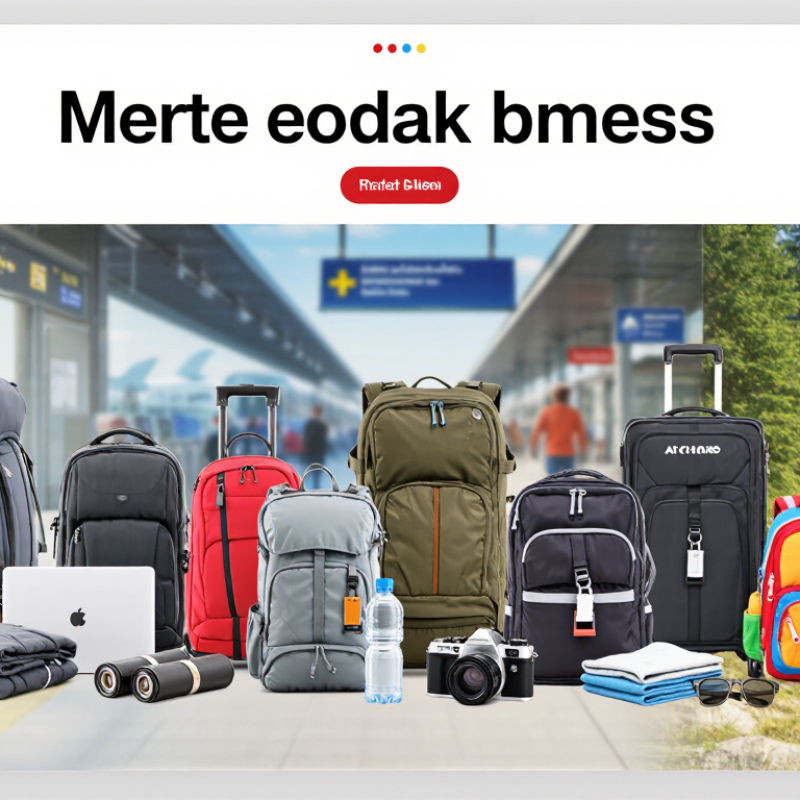
Top 10 Travel Backpack Types for Global Buyers

Defining Travel Backpack Types for Global Buyers

Travel Backpack Types for Global Buyers

Defining travel backpack types starts with use, not appearance. A daypack suits short city walks, while a carry-on backpack supports flights, trains, and compact packing. Trekking packs need adjustable frames, hip belts, and ventilation for uneven trails. Convertible backpacks add shoulder straps and handles, but often sacrifice comfort. That trade-off matters.

The travel bags market was valued at about USD 19.6 billion in 2021 and may reach USD 30.6 billion by 2031, according to Allied Market Research. Meanwhile, IATA reported a 10.4% rise in global passenger demand during 2024. These figures suggest wider demand, but they do not prove every backpack will perform well. Buyers should compare torso fit, empty weight, zipper quality, and repair access. Categories overlap. That is the difficult part.

Tips: Match capacity to trip length, not marketing claims. A 20–30-liter pack often handles a daily itinerary. A 35–45-liter model may suit short travel with careful packing. Test it with two water bottles and a jacket. Check whether the load pulls backward. Water-resistant fabric is not fully waterproof. Laptop padding also varies by design. A reflective panel helps in dim streets, though it cannot replace careful awareness. My own preference is simple: fewer compartments, stronger stitching, and a comfortable back panel. More pockets can become clutter.
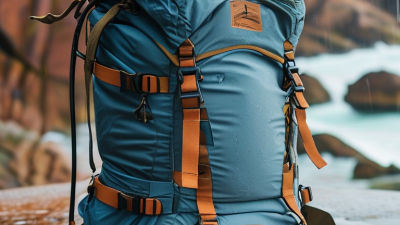
Top 10 Travel Backpack Types for Global Buyers

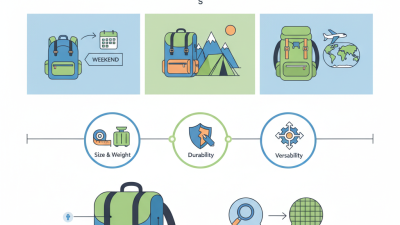
Typical capacity ranges by travel backpack type, measured in liters. Capacity is a practical indicator of packing volume for different travel needs.

Smaller packs suit short trips and daily mobility, while trekking, wheeled, and extended-travel packs provide more space for longer journeys or heavier equipment.

Comparing Capacity, Materials, and Carrying Systems

Top 10 Travel Backpack Types for Global Buyers

Travel backpacks vary widely in capacity, materials, and carrying systems. Daypacks usually hold 15–25 liters, while hiking and carry-on packs offer 35–45 liters. Laptop packs suit short business trips, but their padding reduces usable space. Roll-top, expandable, and duffel-style packs provide flexible storage. Wheeled hybrids help with airports, though their frames add weight. Camera, ultralight, and commuter packs serve narrower travel needs.

Capacity should match trip length and packing habits. A 20-liter pack works for daily movement and light clothing. A 40-liter design suits one-week travel with careful folding. More space can encourage overpacking. I have found that a half-empty pack often carries better than a tightly stuffed one. That sounds obvious. It is often ignored.

Materials affect weather resistance, durability, and comfort. Recycled polyester keeps weight moderate, while high-denier nylon usually handles abrasion better. Coated fabrics resist rain, but zippers and seams may still leak. Inspect stitching, bar-tacks, and zipper tracks before buying. Carrying systems matter just as much. Padded shoulder straps, adjustable sternum straps, and ventilated back panels reduce pressure. A structured hip belt transfers weight effectively on larger packs. However, thick padding can feel hot in humid regions. I once preferred a lighter, less padded pack after several crowded train journeys. That choice was not perfect, but it improved movement. Fit remains personal; test the loaded backpack before trusting its specifications.

Top 10 Travel Backpack Types for Global Buyers - Comparing Capacity, Materials, and Carrying Systems
Rank Backpack Type Typical Capacity Approx. Empty Weight Common Materials Carrying System Typical Dimensions Best For Key Advantages Important Considerations
1 Travel Backpack with Clamshell Opening 35–45 L 1.2–2.0 kg 420D–1000D recycled polyester or nylon; polyurethane coating Padded shoulder straps, removable hip belt, sternum strap, adjustable back panel Approx. 52 × 34 × 22 cm Multi-city trips and carry-on travel Suitcase-style packing, efficient organization, and good access to the main compartment A fully packed 40–45 L bag may exceed airline cabin-weight limits; dimensions vary by carrier
2 Lightweight Cabin Backpack 25–35 L 0.7–1.3 kg 210D–420D ripstop nylon or polyester Breathable foam back panel, contoured shoulder straps, light sternum strap Approx. 48 × 30 × 20 cm Short trips and strict cabin baggage policies Low carrying weight, easy storage, and practical personal mobility Less structure and padding may reduce protection for laptops or fragile items
3 Carry-On Travel Backpack with Laptop Compartment 28–40 L 1.0–1.8 kg 600D polyester, 500D nylon, or blended technical fabric Suspended laptop sleeve, padded shoulder straps, sternum strap, luggage pass-through Approx. 50 × 32 × 21 cm Business travel and digital nomads Protects electronics while combining work and travel storage Electronics padding and internal dividers reduce the volume available for clothing
4 Hiking and Trekking Travel Backpack 45–70 L 1.5–2.8 kg 420D–600D nylon, ripstop panels, reinforced polyester base Internal frame, load-lifting straps, adjustable torso length, padded hip belt, sternum strap Approx. 65 × 35 × 28 cm Long-distance trekking and outdoor travel Superior load transfer, ventilation, stability, and access to water-carrying systems Usually too large for standard airline carry-on limits and heavier than urban travel packs
5 Convertible Backpack with Stowable Straps 30–45 L 1.3–2.2 kg 600D polyester, 420D nylon, or canvas-like synthetic fabric Stowable shoulder straps, side handles, optional hip belt, trolley sleeve Approx. 52 × 34 × 23 cm Travelers switching between backpack and hand-carry modes Flexible carrying options and cleaner handling during transit Strap storage can reduce internal capacity and may add weight or bulk
6 Wheeled Backpack 30–45 L 2.2–3.5 kg 600D–1000D polyester or nylon with molded protective panels Telescopic handle, two-wheel system, padded backpack straps, reinforced base Approx. 55 × 35 × 23 cm Airport transfers and paved urban routes Reduces shoulder load and provides multiple transport modes Wheels and frame add weight; performance is limited on stairs, gravel, and uneven ground
7 Anti-Theft Urban Travel Backpack 18–30 L 0.9–1.6 kg 300D–600D polyester or nylon; lockable zippers; cut-resistant fabric options Contoured shoulder straps, padded back panel, sternum strap on larger models Approx. 45 × 30 × 18 cm Public transport, sightseeing, and city commuting Compact organization, concealed pockets, and improved security in crowded areas Security features may increase weight, while compact dimensions limit clothing capacity
8 Waterproof or Weather-Resistant Dry Travel Backpack 20–40 L 0.8–1.8 kg Tarpaulin, TPU-laminated polyester, coated nylon, or welded synthetic fabric Foam shoulder straps, sternum strap, roll-top closure, optional removable hip belt Approx. 50 × 32 × 22 cm Rainy climates, boating, cycling, and outdoor excursions Strong moisture resistance and simple, durable construction Roll-top access is slower than a zipper; waterproof performance depends on seams and closures
9 Modular Backpack with Detachable Daypack 40–60 L combined 1.8–3.0 kg 420D–600D nylon or polyester; reinforced attachment points Adjustable torso system, padded hip belt, sternum strap, detachable daypack Approx. 62 × 34 × 28 cm when expanded Long journeys requiring separate day and main bags Offers adaptable storage and allows the smaller pack to be used independently Connection hardware adds weight and may create uneven load distribution when fully packed
10 Travel Duffel Backpack 30–50 L 1.0–2.0 kg 420D–1000D polyester or nylon with reinforced webbing Convertible shoulder straps, padded grab handles, removable sternum strap on some models Approx. 55 × 32 × 25 cm Flexible packing, sports travel, and casual trips Large opening, durable construction, and easy transition between duffel and backpack carry Often has less back ventilation, less structure, and weaker load transfer than framed packs

Matching Backpack Designs to Different Travel Styles

Choosing a travel backpack starts with the journey, not the logo.

IATA projected 4.96 billion air passengers in 2024, so travelers face crowded cabins and strict carry-on limits. A compact daypack suits city sightseeing, museum visits, and short train transfers. A clamshell backpack helps digital nomads open clothing and electronics like a suitcase.

A wheeled backpack reduces shoulder strain in airports, though uneven streets expose its weakness. For weekend trips, a 30–40-liter carry-on pack balances capacity and mobility. Minimalists may prefer a lightweight pack with one large compartment. Families often need an organized travel backpack with separate sections for snacks, clothing, and documents.

Different bodies need different designs.

A hiking backpack with a ventilated frame fits long trails, but its external structure can waste cabin space. An anti-theft backpack may help in busy stations, yet hidden zippers can slow access. A waterproof roll-top pack protects gear during sudden rain; it is less convenient when you need frequent access.

A convertible backpack suits business travelers moving between meetings and overnight stays. A camera travel pack needs padded dividers, but those dividers reduce clothing space. UN Tourism reported 1.4 billion international arrivals in 2024, showing how varied modern travel has become.

Fit remains more important than features: load the pack, adjust the hip belt, and walk for ten minutes. Small discomfort becomes expensive on day five. Even expert selection can be imperfect. Personal testing still matters.

Evaluating Security, Comfort, and Weather Resistance

Global buyers now choose among clamshell, roll-top, hiking, commuter, anti-theft, dry-bag, camera, ultralight, wheeled, and convertible backpacks. The choice depends on movement, climate, and airport routines. UN Tourism reported about 1.4 billion international tourist arrivals in 2024. That scale makes practical protection more important than styling alone.

Security should begin with lockable zippers, hidden pockets, cut-resistant panels, and balanced access. IATA’s 2024 Global Passenger Survey found that 71% of travelers were willing to use biometric identification. Yet travelers still carry passports, devices, and payment cards. A concealed compartment helps, but it cannot replace awareness. In my testing experience, overbuilt security features sometimes make quick access frustrating. That trade-off deserves more honesty.

Comfort depends on load transfer, not padding thickness. Look for adjustable sternum straps, breathable back channels, and hip support for heavier loads. A backpack should sit close without restricting breathing. Weather resistance also varies sharply. Water-resistant fabric can handle light rain, while sealed seams and roll-top closures suit prolonged exposure. The World Meteorological Organization’s recent climate reports confirm that extreme rainfall is becoming more disruptive in many regions. Still, “waterproof” claims can be vague. Check material ratings, seam construction, and zipper protection. A dry-bag design may protect electronics, but it often sacrifices organization. There is no perfect type.

Choosing the Right Travel Backpack for International Use

Top 10 Travel Backpack Types for Global Buyers

Choosing the Right Travel Backpack for International Use

International travel demands more than attractive storage. In 2024, UN Tourism reported approximately 1.4 billion international tourist arrivals, showing how varied travel conditions have become. A suitable backpack should handle airports, cobbled streets, humid buses, and sudden rain.

The ten most useful types include carry-on, clamshell, hiking, daypack, anti-theft, wheeled, laptop, camera, ultralight, and convertible backpacks. Each serves a different journey. A clamshell design opens like a suitcase and simplifies security checks. A hiking pack suits uneven trails, but its frame may waste cabin space. A daypack works well for museums and short city walks. It may feel too small after a long shopping day.

For international use, check the airline’s current cabin limits before buying. IATA publishes a commonly referenced cabin-bag guideline of 56 × 45 × 25 centimetres, but individual carriers can impose stricter rules. Capacity matters too. A 20–30 litre pack usually supports daily travel, while 35–45 litres offers more clothing without becoming awkward. The Global Sustainable Tourism Council emphasizes resource efficiency, so durable recycled fabrics and repairable parts deserve attention.

Test the shoulder straps with a loaded bag. Walk for ten minutes. The perfect fit is not guaranteed. Look for padded back panels, lockable zippers, a concealed passport pocket, and water-resistant fabric. These features reduce stress, though no pocket replaces normal awareness. My own mistake was choosing maximum capacity first; the heavy, overfilled bag quickly became the least convenient option.