Choosing an Ultra Lightweight Sleeping Bag is not simply a matter of finding the lightest item on a gear shelf. The right bag must balance weight, warmth, comfort, and the conditions you expect on the trail. A few ounces can matter on a long climb, but a cold, restless night can matter more. Start with the lowest temperatures you realistically expect, then compare that figure with the bag’s comfort rating. Check whether the rating follows a recognized testing standard, such as ISO or EN, and remember that individual sleep comfort varies.
Insulation is another key decision. Down usually offers strong warmth for its weight and packs into a small bundle, but it needs careful protection from moisture. Synthetic insulation often handles damp conditions better and may suit trips where drying opportunities are limited. Not every trip needs the same answer. Consider the season, likely weather, and how you plan to store the bag during the day. A roomy cut may feel comfortable, while excess space can make warmth harder to retain.
Look beyond the headline weight. Check packed size, zipper length, hood design, shell fabric, and the bag’s fit with your sleeping pad. A draft collar or well-shaped hood can make a noticeable difference on a chilly night. Small details count. It is tempting to treat temperature ratings as guarantees, but they are better used as comparison points than promises. Read the manufacturer’s guidance, assess your own sleep habits, and leave room for uncertainty. A thoughtful choice is lighter on the trail—and less likely to surprise you after sunset.
Before choosing an ultra lightweight sleeping bag, define the trip conditions, not just the season. Check the expected overnight low for your exact area and travel dates. Then consider elevation, wind exposure, damp ground, and whether you will sleep in a tent or under a shelter. A clear forecast can still miss a cold snap. I have learned that a sunny afternoon says little about a frosty campsite.
Tips: Compare the forecast low with the bag’s comfort rating, not only its limit rating. Allow extra warmth if you sleep cold, expect wet weather, or plan to camp above the forecast location. A warm sleeping pad and dry base layers also matter. Small details count.
Think about the full temperature range across your trip. A bag suited to one mild night may feel inadequate during a colder stretch. Check reliable forecasts shortly before departure, and note how conditions change between valleys and exposed ridges. Ratings are useful guides, not guarantees; individual comfort varies. I still sometimes pack for the average, then regret ignoring the coldest night. Weigh that risk against carrying extra insulation, especially when temperatures are uncertain.
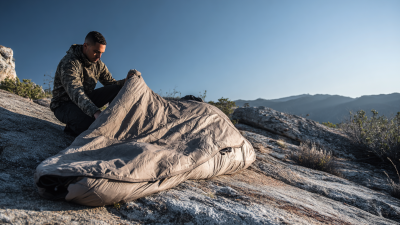
Down insulation offers a strong warmth-to-weight ratio and compresses into a small stuff sack. That can matter when every litre in your pack counts. In dry conditions, a quality down bag often feels warm without much bulk. However, down loses much of its insulating ability when thoroughly wet and can take longer to dry. A leaking tent or damp socks can become relevant over several nights. Not a small detail.
Synthetic insulation usually handles moisture better and dries faster, making it a sensible choice for humid trips or uncertain weather. It often costs less, but comparable warmth may require a heavier, bulkier bag. The trade-off is easy to underestimate. Compare bags with similar temperature ratings, and check whether those ratings follow the same testing standard. Then consider your route, expected humidity, and how carefully you can keep your kit dry. For a dry, weight-conscious trip, down may suit you; for frequent wet conditions, synthetic may offer more reassurance. I still find the choice less clear-cut than spec sheets suggest. A few extra grams can feel worthwhile after a damp night.
| What to Compare | Down Insulation | Synthetic Insulation | What It Means for Your Choice |
|---|---|---|---|
| Warmth for the Weight | Usually provides more warmth for a given weight, especially when made with high-fill-power down. | Generally needs more insulation weight to achieve comparable warmth, though designs vary. | Choose down when minimizing pack weight is a top priority. Compare bags with similar temperature ratings and construction. |
| Packed Size | Compresses efficiently and typically packs smaller. | Usually packs larger, although some modern synthetic fills are more compressible than older designs. | Down can be a good fit for small backpacks or trips where space is limited. |
| Performance When Damp | Can lose much of its insulating ability when wet and may take a long time to dry. Water-resistant treatments can help but do not make it waterproof. | Retains more insulating ability when damp and generally dries faster than down. | Consider synthetic insulation for persistently humid conditions, wet camps, or trips where keeping gear dry is difficult. |
| Care and Drying | Needs careful washing and thorough drying to preserve loft; follow the bag maker's care instructions. | Often easier to care for and less sensitive to occasional moisture, but still requires proper drying and storage. | Think about your access to dry storage, laundering facilities, and time for drying between trips. |
| Long-Term Loft | Quality down can last for many years with appropriate care and storage, but loft may decline with repeated compression, dirt, or moisture. | Synthetic fibers can gradually lose loft with repeated compression and use; lifespan depends on the insulation and care. | Store either type loosely in a dry place rather than compressed for long periods. |
| Typical Cost | Often more expensive, particularly at higher fill powers and in lightweight constructions. | Often more affordable at comparable temperature ratings. | Compare the complete bag's weight, temperature rating, materials, and features rather than insulation type alone. |
| Best-Suited Conditions | Dry climates, cold conditions, and trips where low weight and compact packing matter. | Wet or humid conditions, frequent use in changeable weather, and tighter budgets. | Match the insulation to the conditions you expect, and use a waterproof pack liner or dry bag to protect either type. |
| Temperature Rating | Ratings depend on the complete bag design, including insulation amount, shape, fit, hood, draft collar, and testing method. A rating is not a guarantee that every sleeper will feel equally warm. | Compare ratings measured to the same standard when available. If you tend to sleep cold, allow a comfort margin and consider the conditions of your trip. | |
| Quick guide: For the lightest, smallest packed setup in mostly dry conditions, down is often the better choice. For greater tolerance of damp conditions and typically lower cost, synthetic insulation may suit you better. Actual weight and warmth vary by model, fit, and construction. | |||
A sleeping bag’s temperature rating is a guide, not a promise of comfort. When a bag lists comfort, limit, and extreme ratings, treat the comfort figure as the more useful starting point for a restful night. The limit is not a comfortable target. The extreme rating describes survival conditions, not a safe plan for routine camping. Ratings are not promises.
Check whether the bag was tested under a recognized standard, such as ISO 23537, and compare like with like. Your warmth also depends on the sleeping pad, shelter, clothing, moisture, fatigue, and personal cold sensitivity. A thin pad can make the ground feel icy, even when the bag’s rating looks suitable. Small details matter.
For a trip’s expected low temperature, consider choosing a comfort rating several degrees colder than the forecast; a 5–10°C buffer can be a cautious starting point, not a universal rule. Forecasts can miss sudden drops. I would not treat any margin as exact, because bodies and conditions vary. Test your setup close to home before relying on it in remote or exposed terrain.
How to Choose an Ultra Lightweight Sleeping Bag
Balance Weight, Packability, Fit, and Sleeping Comfort
A low number on the scale is useful, but it should not decide your sleeping bag alone. Compare weight with the comfort temperature rating, not just the lowest advertised limit. On a chilly night, a bag that saves a few ounces can feel like a poor bargain. Check the rating system and consider the coldest conditions you realistically expect.
Packability depends on insulation, fabric, and bag shape. Down often compresses well, while synthetic fill can retain more warmth when damp. Both have trade-offs. Try packing the bag beside your shelter and clothing to see whether it fits your actual pack. Avoid storing insulation tightly compressed between trips; loft takes time to recover.
Fit matters too. A snug bag may reduce empty space, but tight shoulders or a pinched footbox can disrupt sleep. If you sleep on your side, test how easily you can roll without pulling the bag with you. Small gains add up. Still, comfort is personal, and a brief shop test cannot recreate a windy night. Pair the bag with a suitable sleeping pad, since insulation beneath you is compressed and provides less warmth.
Choosing an ultra lightweight sleeping bag means balancing weight, warmth, moisture resistance, and durability. Down insulation packs small and offers strong warmth for its weight, but it loses much of its insulating ability when wet. Synthetic insulation handles damp conditions better and often dries faster, though it usually takes more pack space. For humid trips, that difference matters. Fill power describes down’s loft, not the bag’s total warmth; compare temperature ratings and insulation amount too.
Construction affects comfort as much as the material. Check for baffles that keep insulation from shifting and cold spots from forming. Sewn-through stitching can save weight, but may create thin lines where warmth escapes. A draft collar and a well-fitting hood help seal in heat on chilly nights. A narrow cut saves grams, yet can feel restrictive if you sleep on your side. No spec sheet tells the whole story.
Look closely at the shell fabric, zipper, and fit. A light fabric reduces pack weight but may need gentler handling around rough ground and sharp tent hardware. A two-way zipper helps release heat, while a zipper guard can prevent snags. Check that the footbox leaves room for your toes and the hood adjusts without pulling. It is easy to overvalue a few saved grams; comfort and reliable warmth can matter more over several nights. I still find that trade-off less obvious on paper.
Compare down fill-power ratings, a measure of loft per ounce. Higher fill power can provide more loft for the same weight, but it does not determine a bag’s warmth on its own.
When choosing a bag, also check the amount of insulation, baffle construction (which helps limit cold spots), fit, shell fabric, and the temperature rating. Compare temperature ratings using the same testing standard.