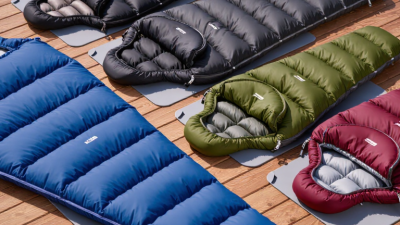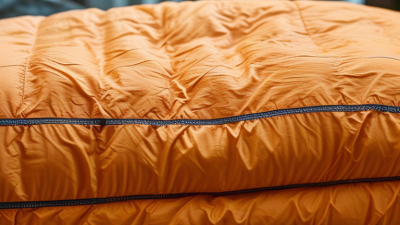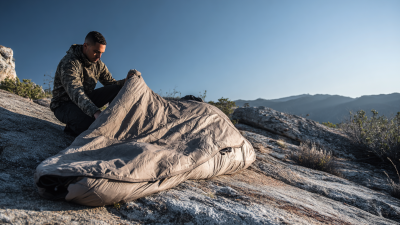
Sourcing Good Sleeping Bags from China requires more than comparing online prices. Buyers must connect product performance, factory capability, and dependable communication. A suitable supplier should explain insulation types, fabric weights, stitching methods, temperature ratings, and packing limits clearly. These details affect warmth, comfort, shipping cost, and customer returns.
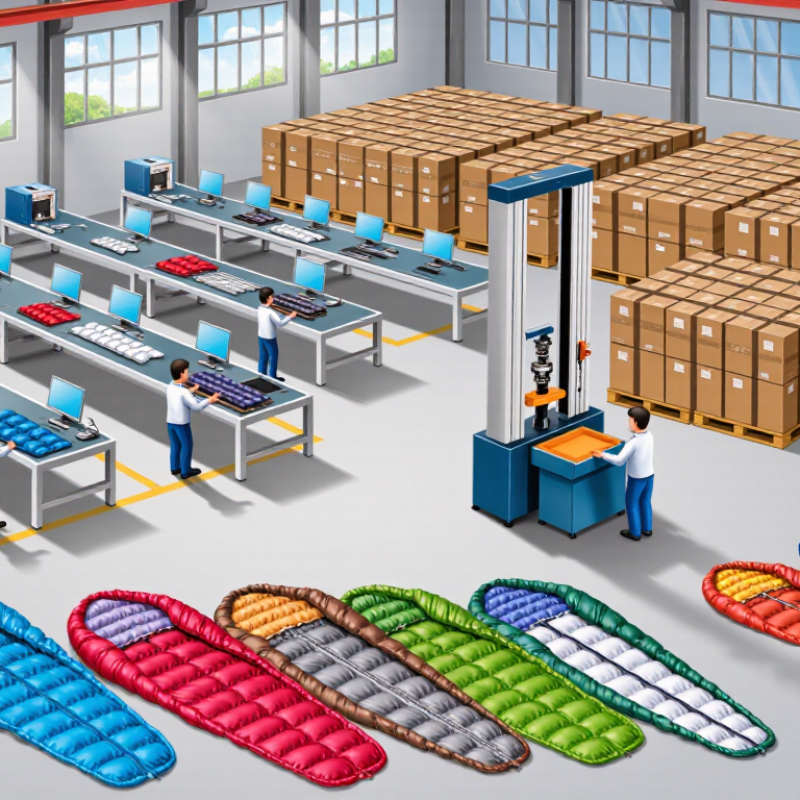
In practice, a factory visit or independent audit can reveal useful evidence. Look for organized cutting tables, clean filling areas, calibrated testing equipment, and consistent final inspections. Request material samples before approving bulk production. Test zipper movement, seam strength, loft recovery, water resistance, and the accuracy of the temperature label. Relevant safety and labeling requirements in the destination market should also be checked with qualified professionals. A supplier’s certificates may help, but they should match the actual factory and product.
Price still matters. However, the cheapest quotation can hide thin insulation, weak zippers, or unstable production. Ask for a detailed specification sheet, production timeline, carton dimensions, and a clear quality agreement. Keep records of every approved sample and revision. Small differences matter.
No checklist is perfect. Even experienced buyers can miss a packing issue or misunderstand a technical term. That is why steady communication, third-party inspection, and realistic testing remain valuable. This guide explores practical ways to identify capable Chinese manufacturers, compare samples fairly, manage quality risks, and build a sourcing process that supports reliable Good Sleeping Bags over time. Expect careful verification, not instant certainty.
Before contacting Chinese suppliers, define the sleeping bag you actually need. Start with the use case: summer camping, three-season trekking, or cold-weather travel. Set a comfort temperature, not only an extreme rating. In sourcing work, I have seen buyers choose products by the lowest temperature number. The samples felt too narrow. That mistake was expensive.
Define the dimensions in centimeters, including shoulder and foot width. Specify the fill type, fill weight, loft, and acceptable tolerance. For synthetic insulation, ask about fiber structure and recovery after compression. For down, request fill-power evidence and traceability records.
Choose shell fabric by abrasion resistance, water resistance, and noise. A lightweight shell can tear during rough use. That trade-off needs testing. Include target weight, packed size, zipper direction, hood shape, and draft collar design.
Write every requirement into a product sheet.
Add the expected order quantity, packaging, labeling, inspection points, and delivery schedule. Confirm whether the supplier can meet your minimum order quantity and customization needs. Request a pre-production sample before bulk manufacturing.
Check stitching, zipper alignment, smell, loft, and packed size.
Ask for test reports, but verify important claims through independent inspection. Leave room for revisions. Your first specification may be too ambitious for the budget.
It is better to adjust warmth or fabric weight openly than hide compromises in the final order.

Location changes the equation.
Zhejiang and Jiangsu offer dense fabric, filling, and zipper networks, supporting stable production for mid-volume sleeping bags. Fujian and Guangdong provide strong export logistics and experienced outdoor-product labor. Inland provinces can reduce labor costs, but component sourcing and inspection travel may add hidden expenses.
China Customs reported approximately US$293.6 billion in textile and apparel exports during 2023. This scale supports competitive material purchasing, yet it does not guarantee sleeping-bag expertise.
Compare supplier types carefully. Integrated factories control cutting, filling, sewing, and packing under one roof. They usually provide better traceability and consistent insulation. Specialized workshops may offer stronger craftsmanship for lightweight or technical designs. Trading companies can combine several factories, but production visibility becomes weaker.
Ask for the actual factory address and recent production records.
Do not judge only by quotation.
Request fill-weight records, dimensional measurements, seam photos, and carton-drop results. The International Trade Centre’s Trade Map identifies China as a leading exporter under HS 940430, covering sleeping bags. However, customs classification does not measure warmth, durability, or ethical production.
That distinction matters. My practical concern is often overlooked: a low-cost sample may hide expensive revisions later.
Test at least two production batches, especially after washing. A supplier with clear corrective-action reports is often safer than one offering the fastest reply.
Mistakes still happen. Your inspection plan must expect them.
A capable factory should show more than attractive product photos. Request a live video tour or conduct an on-site audit. Check cutting tables, sewing stations, filling equipment, storage areas, and final inspection benches. Ask how many sleeping bags the factory produces monthly. Compare this figure with its staffing, machinery, and recent orders. Inconsistent answers deserve attention. I once trusted a well-organized showroom too quickly. The production floor later revealed limited stitching capacity.
Material verification needs practical evidence. Ask for fabric composition, fabric weight, water-resistance data, insulation type, and filling weight. A sample should be opened carefully, not only touched. Check whether the filling is evenly distributed from the hood to the footbox. Inspect zipper alignment, seam strength, thread ends, cord locks, and label accuracy. Request material samples from the actual production batch. Supplier documents can help, but they should not replace physical testing.
Quality control must continue after sampling. Ask for written inspection procedures and defect limits. Confirm whether workers inspect insulation loft, dimensions, stitching, odor, and packaging. A pre-shipment inspection can compare random units against the approved sample. Keep measurement records and dated photographs. No checklist is perfect. Temperature ratings also need cautious interpretation because testing methods and user conditions vary. A reliable supplier accepts reasonable questions, corrects weaknesses, and provides traceable records instead of promising flawless results.
Requesting samples is not a formality; it is the first quality audit. Ask factories for three units from different production batches. Compare fill weight, loft height, seam width, zipper movement, and packed volume. Record each result with photographs and measurements. A sleeping bag can look excellent in a showroom and fail after repeated compression. Test it outdoors, not only on a warehouse table. Check warmth at the claimed temperature, moisture resistance, odor, and fabric noise. Keep one unused sample for later comparison.
Request material composition records, restricted-substance test results, labeling details, and traceability documents for the target market. The Textile Exchange 2024 Materials Market Report estimated recycled polyester at about 14% of global polyester production in 2023. If recycled fibers are advertised, verify the claim through transaction and composition records.
Require a signed specification sheet, a pre-shipment inspection, and a clear remedy for failed measurements.
Sourcing good sleeping bags from China starts with a clear product brief, not a vague request for “premium quality.” Define fill type, temperature rating method, shell fabric, zipper length, dimensions, packed size, and target weight. Ask suppliers for material samples and recent production photos. A sample should be tested for loft, stitching, odor, zipper smoothness, and measured size. Keep every result in one comparison sheet. Details matter. That makes negotiations factual.
Negotiate orders around measurable outcomes. Confirm the sample version, color references, carton quantity, tolerances, payment stages, lead time, and replacement terms in writing. Avoid choosing the lowest quotation too quickly; cheaper shell fabric can increase returns. Request a pre-production sample when the order is customized. During production, monitor fabric arrival, cutting, filling, sewing, and packing. Ask for dated photos, short videos, and weekly progress updates. My early orders taught me an uncomfortable lesson: friendly messages do not prove production control. A delayed update can hide a serious bottleneck.
Arrange an inspection before the goods leave the factory. Use an independent inspector when distance prevents a visit. Check random cartons against the approved sample and purchase specifications. Inspect seams, fill distribution, dimensions, labels, packaging, stains, and zipper operation. Record defect counts with photographs and carton numbers. Set clear acceptance rules before inspection, including critical, major, and minor defects. Do not release final payment only because the shipment looks complete. Inspectors can miss issues too. Compare findings with customer complaints after delivery, then adjust the checklist for the next order. This feedback loop makes sourcing more dependable.