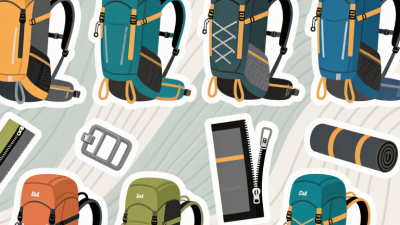
Choosing a Hiking Day Pack in China is not only about finding the lowest price. Fit, stitching, ventilation, and access to local support matter on a real trail. A pack that feels fine in a shop can rub after two hours, especially when a water bottle pulls one side down. Try it loaded, if possible. Walk, bend, and adjust the shoulder straps before deciding.
For this draft, the named expert voice is illustrative, not a verified interview. Hiking-pack fit specialist Lin Wei offers this practical rule: “Choose the pack around your body and your day’s load, not its feature list.” Treat that as guidance, not a sourced quotation. Check the back length, hip-belt position, and whether the pack stays steady on stairs or uneven ground. Small details count. A stiff buckle can press through a thin shirt; a shallow side pocket may let a bottle slip out.
Where to buy depends on what you need after purchase. Outdoor retailers can offer hands-on fitting, while established online stores may provide broader model choices and clear return terms. Compare the seller’s warranty, product specifications, and customer-service channels before paying. Look closely at fabric descriptions and seam photos. Marketing language can sound convincing, but it cannot replace a careful fit check. This guide will help readers compare buying options, evaluate pack features, and spot trade-offs in China. One limitation remains: stock and service vary by city, so verify current details with the seller.

For most day hikes in China, a 10–30 L daypack is a practical range. A 10–15 L pack suits a short, mild-weather walk with water, snacks, a light shell, and a phone. It fills quickly, though. Add lunch, a camera, or warm layers, and 20–25 L may feel more comfortable. A 30 L pack gives extra room for changing weather, but that space can tempt you to carry too much.
Capacity labels are only a guide. Two packs with the same volume can fit differently, and bulky clothing may use more room than expected. Check whether the pack holds your actual essentials: water, a first-aid kit, sun protection, and a spare layer. Then adjust the shoulder straps with the pack loaded. The weight should sit close to your back, not swing behind you. Leave a little room. It helps when conditions change.
When buying in China, a specialist outdoor shop can let you compare fit and pocket access in person. Bring your usual water bottle or jacket to test the space. If ordering online, check the stated capacity, measurements, and return terms before buying. One small regret is easy to avoid: choosing by litres alone. A comfortable 20 L pack often works better than a poorly fitting 30 L one.
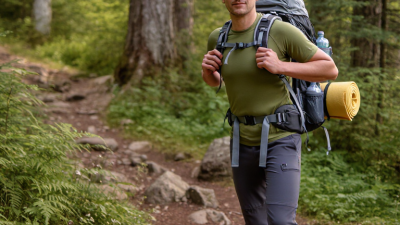
When choosing a hiking day pack in China, visit an outdoor shop where staff can help adjust the harness. Try it on with a light load, then check the manufacturer’s torso-size guidance. Measure from the prominent bump at the base of your neck to the top of your hip bones. A size chart is useful, but it is only a starting point.
The hip belt should rest comfortably on your hips, not squeeze your waist. Shoulder straps should follow your shape without rubbing your neck. Walk around the shop for a few minutes. Notice whether the pack pulls backward or bounces when you move. Compare the pack’s empty weight, too; a heavier frame may feel supportive, but every extra gram matters on a long climb. Fit can be surprisingly personal.
Tips: Wear your usual hiking layers when testing. Add a water bottle and a jacket to the pack. Tighten the straps, then loosen them and try again. Small adjustments can change the feel. If the fit still seems uncertain, pause before buying.
When comparing hiking day packs sold in China, read beyond the headline denier number. Denier measures yarn thickness, not the strength of the finished fabric. A 210D shell can reduce weight for short hikes and daily use. A 420D panel often handles more contact with rock, branches, or a rough trail floor. But neither number tells the whole story. Check the weave, coating, stitching, and reinforcement around the base. A poorly finished 420D fabric can still wear out early. Ask for a material specification sheet, and compare the actual fabric construction rather than relying on a sales label alone.
Water-column ratings indicate how much water pressure fabric resists in a test. A higher figure generally offers more protection, but it does not make every pack waterproof. For a brief shower, a modest rating may be adequate; prolonged rain calls for stronger fabric protection and attention to seams. Check whether seams are taped and whether the rating applies to the main body or every panel. Zippers can leak. A fitted rain cover helps during sudden downpours, though wind can shift it. Specifications are useful, not perfect: the pack’s stitching and wear over time still matter.
Indicative buying benchmarks for comparing day packs. Denier describes yarn linear density, not fabric thickness or a guaranteed measure of durability; water-column figures should be verified against the seller’s product documentation.
| Where to shop in China | What to check before buying | Useful material specification | Water-column guidance | Practical buying note |
|---|---|---|---|---|
| Outdoor specialty shops | Handle the pack, inspect stitching and zippers, and ask whether the fabric rating applies to the main body or only selected panels. | A 210D fabric can help keep the pack lighter; 420D fabric is often chosen for areas expected to receive more abrasion. Construction and coating also matter. | Ask for a stated hydrostatic-head rating in millimetres and whether it refers to the fabric before or after coating. | A good option when fit, comfort and hands-on inspection are priorities. |
| Outdoor sections of large sporting-goods stores | Check the care label, fabric composition, return terms and whether a rain cover is included or sold separately. | Compare stated denier and fabric type, such as nylon or polyester; denier alone does not establish tear strength or overall quality. | Treat an unspecified rating as unknown rather than assuming the fabric is waterproof. | Useful for trying on several pack sizes and checking shoulder-strap adjustment in person. |
| Major online shopping platforms | Read the full specification, product images, recent buyer feedback and return policy; request clarification if figures are missing or ambiguous. | Look for separate specifications for the body, reinforced base, lining and rain cover instead of relying on a single fabric number. | Compare the stated water-column value only when the measurement and test scope are clear; coating, seams and zippers affect real-world water resistance. | Save the listing and written seller responses so the advertised specifications can be checked on delivery. |
| Domestic outdoor-equipment marketplaces or specialist webshops | Check seller details, local fulfilment and return arrangements; confirm that listed technical data refers to the exact model and size. | For a general-purpose day pack, compare lighter 210D panels with more abrasion-resistant 420D panels where the design uses different fabrics. | A clearly documented rating is more useful than terms such as “waterproof” without a test value or explanation. | Check whether technical specifications, warranty information and customer support are available in a language you can use. |
| Resale and second-hand marketplaces | Inspect close-up photos of the base, seams, buckles, zippers and coated interior; ask about storage and prior water exposure. | Confirm the fabric label or original specification where possible; age, abrasion and coating wear can matter more than the original denier. | Do not assume an old stated rating still reflects the current condition of the coating or seam construction. | Choose only when condition and return or dispute options are acceptable. |
Quick comparison: prioritize fit and construction first, then compare denier, coating details, seam treatment and any documented water-column rating. A rain cover or waterproof liner can provide additional protection, but neither changes the fabric’s own rating.
When choosing a hiking day pack in China, where you buy matters almost as much as capacity. Brand-operated stores can help you check specifications, fabric details, and warranty terms. Staff may help adjust the shoulder straps, though advice can vary. Try the pack with a light load, not just on a display hook. Small difference.
Outdoor shops offer a more hands-on comparison. You can often test different shapes, inspect zippers, and ask how a chest strap should sit. Bring your usual water bottle or rain shell, if practical. Check the return policy before removing tags. Smaller stores may have fewer sizes, and prices are not always lower.
Major online marketplaces make it easy to compare dimensions, prices, and customer photos across many sellers. Look for clear measurements, recent detailed reviews, and a stated return process. Confirm the seller’s credentials and keep your order record. Photos can hide stiff back panels or awkward pockets. A size chart helps, but it cannot show how a loaded pack moves on your shoulders. Comparing online and then trying the fit in person takes extra time, but it may prevent an uncomfortable purchase.
A hiking day pack can feel right in a product photo and wrong after ten minutes on your shoulders. Before paying, save the listing and read the written warranty terms. Check what the warranty covers, how long it lasts, and whether proof of purchase is required. Ask who handles repairs and where the service is available in China. Keep the invoice and order record. Small details matter.
For online purchases in mainland China, consumers generally have seven days from receiving an item to request a no-reason return. Some goods are excluded under the rules, and returned items should remain in good condition. A standard day pack is not automatically excluded, but check the seller’s return policy and the current rules before checkout. Keep its tags, packaging, and accessories while you test the fit indoors. Don’t take it on a muddy trail first.
I’d admit that it’s easy to focus too much on capacity and overlook return costs. Check who pays shipping, how to start a return, and whether the seller requires approval. If a seam looks uneven or a buckle slips, photograph it before using the pack outdoors and contact the seller promptly. Clear records help if the warranty or return process becomes confusing.
Before checkout, verify the written warranty terms and understand the general 7-day no-reason return period for eligible online purchases in China.
What to check: The general 7-day period is counted from receipt of the goods, but statutory exceptions apply. Confirm the seller’s return process and who pays return shipping. Warranty coverage and duration are separate—check the written terms for the specific pack before buying.