Why Choose an Ultra Lightweight Sleeping Bag for Your Travels?
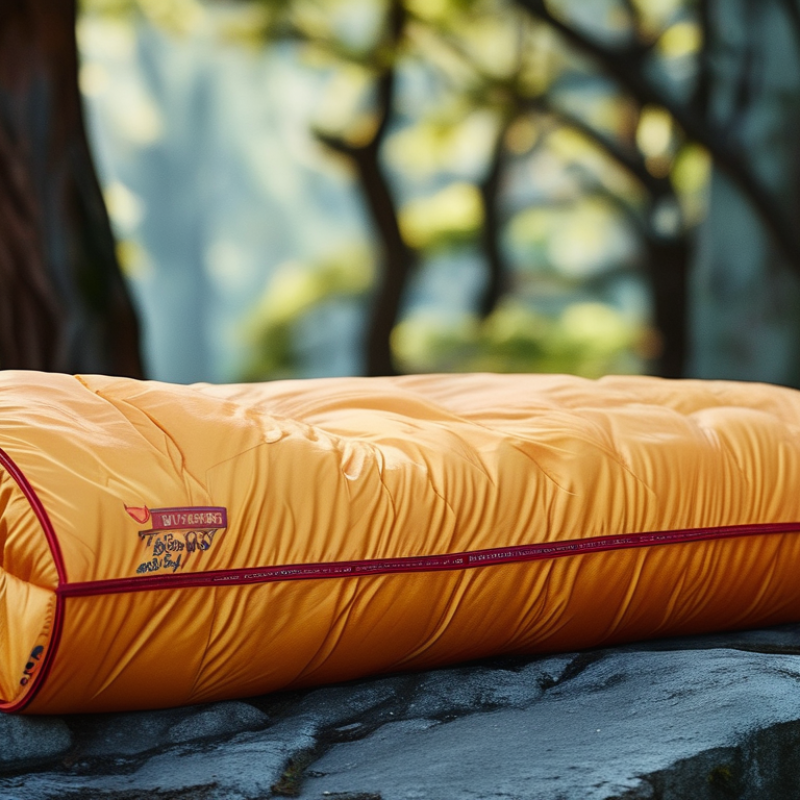
Choosing the right gear for travel is crucial. An Ultra Lightweight Sleeping Bag can transform your outdoor experience. With its compact size and light weight, this sleeping bag excels in portability.
Imagine hiking for hours, carrying only the essentials. The Ultra Lightweight Sleeping Bag allows you to travel further without the added strain. It packs down small, fitting easily into your backpack. The convenience plays a significant role in your journey.
However, some may question its warmth and comfort. While it offers great benefits, luxury is sometimes sacrificed for weight. Knowing how to choose the right one requires understanding your needs and preferences. Embrace the minimalist approach, but be mindful of the conditions you may face.
Benefits of Using an Ultra Lightweight Sleeping Bag for Travel
Traveling light is essential for many adventurers. An ultra lightweight sleeping bag makes a significant difference. According to industry reports, these sleeping bags weigh as little as one pound while providing exceptional warmth. This combination is vital for those hiking or backpacking long distances.
One of the main benefits is portability. A lightweight bag easily fits into a small backpack. This design encourages mobility without bogging you down. Additionally, many ultra lightweight sleeping bags compress down to the size of a water bottle. This makes packing a breeze. Without a heavy load, you can explore more freely.
However, there are challenges. Selecting the right temperature rating is crucial. A bag that’s too thin may leave you cold. On the other hand, a bag that’s too thick adds unnecessary weight. Balancing warmth and weight requires careful consideration. Additionally, durability can sometimes be a concern. Some lightweight materials can wear out quickly. Thus, it’s essential to choose models from reputable sources for reliability.
Key Features to Look for in Ultra Lightweight Sleeping Bags
When choosing an ultra lightweight sleeping bag for your travels, consider key features crucial for performance and comfort. Look for materials that ensure durability without added weight. High-quality nylon and down insulation are often favored. A report by the Outdoor Industry Association reveals that 75% of trekkers prioritize weight and packability in their gear choices.
Temperature ratings are essential as well. A sleeping bag’s comfort rating should align with your destination’s climate. Aim for a bag rated lower than the coldest temperatures you expect. Remember, a bag too warm for summer or too cold for winter can lead to sleepless nights or excessive bulk. The American Hiking Society suggests carrying a sleeping bag that weighs under two pounds for maximum efficiency during long hikes.
Additionally, consider the bag’s design. Features like a draft collar can enhance warmth, while a waterproof shell may protect against unexpected moisture. These traits are vital for backpackers navigating various terrains. Many users overlook the need for test runs. Trying out your sleeping bag before significant trips can highlight any discomfort. A bag that performs well in a store may not feel the same in the wilderness. Always be prepared to adapt your choices based on real experiences.
How to Choose the Right Ultra Lightweight Sleeping Bag for Your Needs
When choosing an ultra lightweight sleeping bag, consider your unique travel needs. The ideal bag should not only be lightweight but also offer adequate warmth and comfort. A study by the Outdoor Industry Association indicated that nearly 70% of campers prioritize weight when selecting their gear. This reflects a significant preference for bags that weigh under 2 pounds for multi-day hikes.
Look for specific features that match your traveling style. Insulation type is crucial. Down insulation is lightweight and compressible, yet it loses heat when wet. Synthetic insulation performs better in moist conditions, making it reliable for unexpected weather changes. Opt for a bag with a temperature rating suitable for your expected conditions. Some sleeping bags may not meet their claimed ratings, causing discomfort at night. User reviews and independent tests can provide valuable insights in this regard.
Lastly, pay attention to the bag's shape and size. A mummy shape often ensures less weight but might feel constricting. Conversely, a rectangular shape offers more room but adds weight. Ergonomics matter, and choosing the right fit can enhance your sleep quality. Remember, experimentation with different types can reveal what works best for you.
Tips for Packing and Carrying an Ultra Lightweight Sleeping Bag
When packing an ultra lightweight sleeping bag,
start by choosing the right compression sack. A good sack minimizes bulk and keeps your bag tight.
Look for one that allows you to easily compress your bag while still providing protection.
The size and type matter significantly, so make an informed choice.
Roll, rather than fold, your sleeping bag. Rolling reduces the chance of creases and maintains insulation.
Utilize every inch of your pack. Tuck smaller items into the sleeping bag’s crevices.
This extra space can be vital during long travels. Consider the weight distribution within your backpack.
Place the sleeping bag at the bottom for better balance.
Don’t forget about straps and external attachment points.
Use them wisely when carrying your sleeping bag. There can be moments when you need it fast.
On a rainy day, make sure it’s accessible.
It’s easy to overlook these small details.
Reflect on your previous trips. What worked? What didn’t? A little planning leads to better experiences.
Maintenance and Care for Your Ultra Lightweight Sleeping Bag
When it comes to maintaining your ultra lightweight sleeping bag, proper care is crucial. These bags are designed for durability and convenience, but neglect can lead to damage. Start by regularly checking for holes or damage. Small rips can be repaired with patch kits. Store your sleeping bag in a loose, breathable sack. Compressing it too tightly can damage the insulation over time.
Washing your sleeping bag requires care. Use a front-loading washer, as agitators can cause damage. Select a gentle cycle and use non-detergent soap. It's best to wash your bag less frequently to preserve its materials. After washing, hang it to dry in a well-ventilated space. Do not use a dryer, as high heat can ruin the bag’s filling.
Tips: Always follow the specific care instructions on the label. Check for any unique materials that require special handling. Avoid harsh chemicals and fabric softeners. Ultimately, maintaining your sleeping bag means paying attention. It’s worth the effort to ensure your gear lasts through many adventures.