2026 Best Ultra Lightweight Sleeping Bag for Global Buyers?
In recent years, outdoor enthusiasts have increasingly sought the perfect Ultra Lightweight Sleeping Bag. The demand for these lightweight options reflects a broader trend toward backpacking and minimalist camping. According to industry reports, the global lightweight sleeping bag market is expected to grow by 8.5% annually until 2026.
Manufacturers are responding with innovations in materials and design. High-performance synthetic fabrics and advanced insulation techniques boost insulation while reducing weight. These advancements have created sleeping bags weighing under 1 pound, appealing to serious trekkers. Yet, users often face a dilemma: balancing weight with warmth and comfort. Many ultra-light bags sacrifice insulation for weight, leading to cold nights in the wilderness.
Consumers must carefully evaluate their needs. Some might prioritize pack size over warmth, compromising comfort. Others may find that a slightly heavier bag offers significantly better warmth retention. As the market evolves, it remains crucial for buyers to consider personal preferences and conditions they will be facing. Finding the ideal Ultra Lightweight Sleeping Bag requires reflection and research to ensure a good night's sleep in nature.
Overview of Ultra Lightweight Sleeping Bags
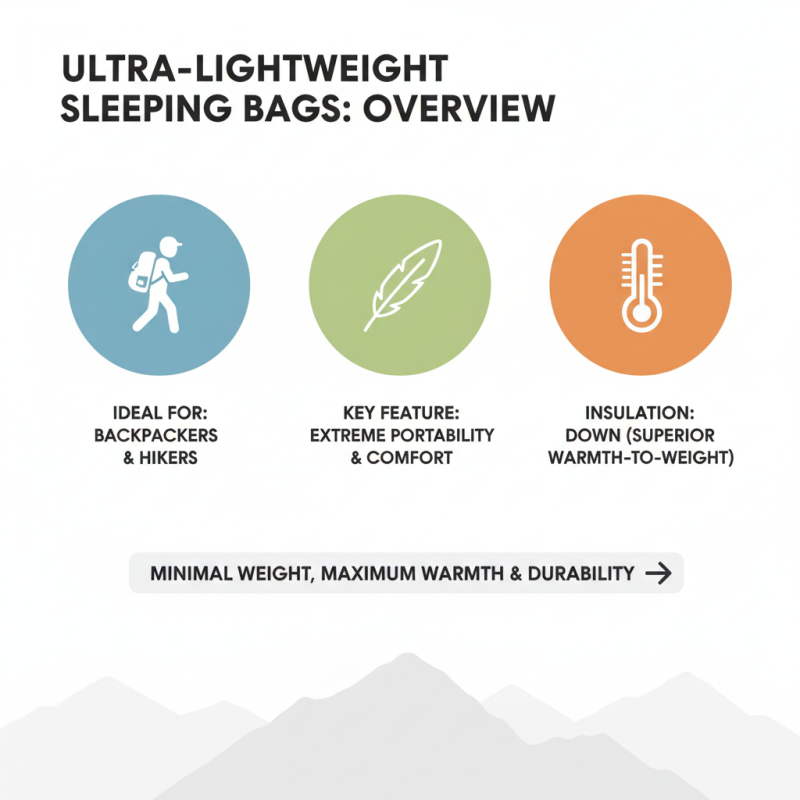
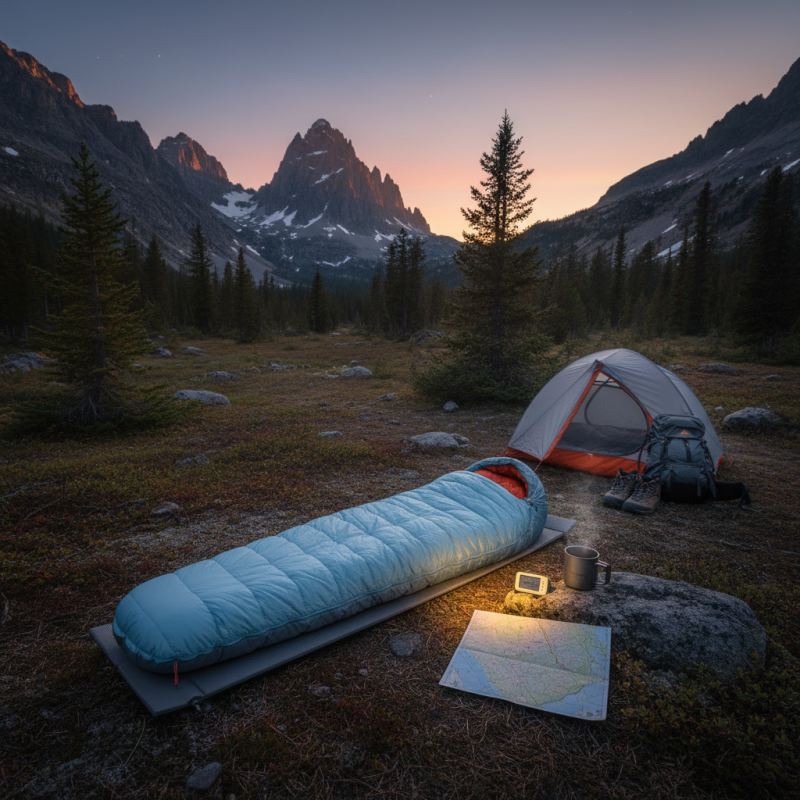
Ultra lightweight sleeping bags have gained immense popularity among outdoor enthusiasts. These bags emphasize portability and comfort, making them ideal for backpackers and hikers. They are designed with materials that minimize weight without sacrificing warmth or durability. Many bags use down insulation, which provides excellent heat retention while remaining incredibly lightweight.
When selecting an ultra lightweight sleeping bag, consider factors like insulation type, temperature rating, and pack size. Not all sleeping bags are created equal. Some may not perform well in damp conditions, losing their insulating properties when wet. It's essential to check user reviews and expert recommendations to gauge performance. Misunderstanding the temperature ratings can also lead to uncomfortable nights in the wilderness.
While these sleeping bags offer convenience, they may lack certain features found in heavier models. For example, less insulation could result in colder nights for sensitive sleepers. Additionally, the lighter materials may be less durable, leading to potential rips or tears during rough outings. Always balance weight-saving needs with the reliability of the gear you choose.
Key Features to Look for in a Lightweight Sleeping Bag
Finding the right ultra-lightweight sleeping bag for your adventures can be challenging. Focus on key features that enhance your experience. Look for materials like nylon or polyester, which are known for their durability and lightweight properties. According to a 2022 outdoor gear report, 70% of users prefer down insulation for its excellent warmth-to-weight ratio. For most, a good sleeping bag weighs between 1 to 3 pounds.
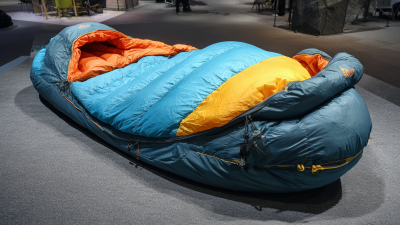
Temperature ratings are crucial. A bag rated for 20°F is suitable for most conditions. Still, using it in warmer weather can lead to discomfort. Consider the shape, too. Mummy bags offer better heat retention. Yet, some may find them restrictive. Research indicates that about 30% of campers prefer rectangular bags for extra space.
Tip: Always check the compression size. A good sleeping bag should pack small enough for ease of transport. Dial in your preferences through trial and error. What works ideally for one person may not suit another's needs.
Think about the zipper quality as well. A snag can ruin a cozy night outdoors. Experts suggest looking for anti-snag technology. Also, consider the weight distribution and how the bag's design affects your warmth. Reflection on your experiences can refine your choice for future trips.
Top Brands and Models for 2026: A Comparison Guide
When choosing an ultra lightweight sleeping bag in 2026, comfort and convenience are key. Many global buyers prioritize packability and weight. A few grams can significantly impact your hiking experience. Some models weigh under a kilogram, making them perfect for long treks. Yet, many overlook insulation quality. A good bag should keep you warm, but not overly hot.
The fabric and design are just as crucial. Breathable materials can enhance your comfort during warm nights. Some bags offer versatile features, like zippers that allow for ventilation. However, users sometimes notice durability issues after extended use. It's essential to balance lightweight materials with robust construction. Take your time to read reviews and consider real-life experiences.
Pricing varies widely, and not all expensive bags guarantee quality. Researching lesser-known brands can yield surprising results. Many offer competitive features without the high price tag. Always check return policies in case the bag doesn't meet your needs. Finding the right sleeping bag is a personal journey. Focus on comfort, weight, and the conditions you'll face.
2026 Best Ultra Lightweight Sleeping Bag Comparison
| Model |
Weight (lbs) |
Temperature Rating (°F) |
Packed Size (inches) |
Material |
Price ($) |
| Model A |
1.5 |
20 |
12 x 6 |
Nylon |
150 |
| Model B |
1.2 |
15 |
10 x 5 |
Polyester |
120 |
| Model C |
1.8 |
25 |
14 x 7 |
Down |
200 |
| Model D |
1.4 |
30 |
11 x 6 |
Synthetic |
165 |
| Model E |
1.0 |
10 |
9 x 4 |
Ripstop Nylon |
180 |
User Reviews and Experiences with Lightweight Sleeping Bags
When selecting an ultra-lightweight sleeping bag, user reviews are incredibly insightful. Many users highlight the importance of warmth-to-weight ratio. Some bags keep you warm, yet are surprisingly light. However, not every bag maintains this balance. It can be frustrating when expectations do not match reality.
Users often mention the feeling of constriction in narrower bags. A snug fit can feel cozy, but it may limit movement. Many adventurers find they prefer a bit more room to shift during the night. It’s essential to consider this aspect based on your sleeping style.
Tips: Always check customer feedback on insulation efficiency. Look for bags that have been rigorously tested in real-world conditions. Keep in mind that personal experiences vary significantly. Some users report comfort at lower temperatures, while others disagree. So, find a balance that suits your needs.