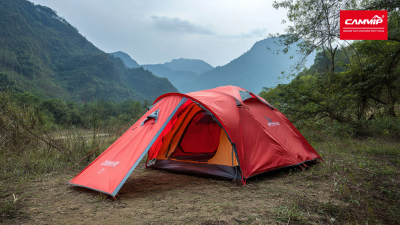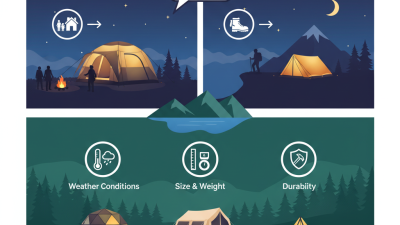
What Is the Best Type of Camping Tent? The answer depends less on a tent’s label than on where you will sleep, how far you will carry it, and who is sharing it. Backpacking educator Andrew Skurka is known for practical, trip-specific gear advice. A fair paraphrase of that approach is: “Choose your shelter for the trip you’re taking, not the one you’re imagining.” That distinction matters. A roomy family Camping Tent may feel comfortable beside a car, but awkward on a steep trail. A light backpacking tent saves weight, yet can feel cramped when rain keeps everyone inside.
Think of a windy campsite, damp boots by the door, and a pack that must still fit beneath the fly. These small details can shape a better choice than a long list of features. This guide compares dome, cabin, backpacking, and four-season tents by space, weight, weather protection, and ease of setup. It also considers group size, season, budget, and the realities of pitching on uneven ground. Some trade-offs are easy to miss. A taller tent feels pleasant until strong wind presses against its broad walls. More floor space sounds ideal, though extra fabric adds weight. There is no perfect tent for every camper. The right choice is the one that suits your actual trips—and the compromises you can live with.
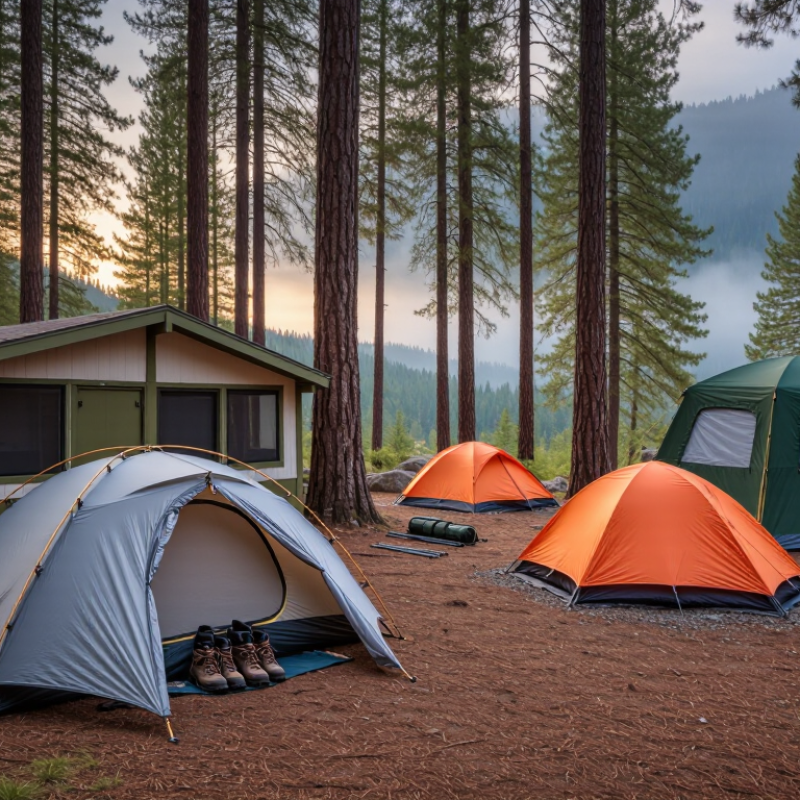
Camping tents are best compared by two questions: how they are built and where they will be used. Dome tents use crossed poles for a stable, familiar shape; tunnel tents create long sleeping areas but need careful pegging. Cabin designs offer near-vertical walls and standing room, though their larger frames can feel awkward in wind. The categories overlap.
Use matters as much as design. Backpacking tents prioritize low weight and compact packing, while family tents often trade portability for space, separate rooms, and easier movement. For exposed, cold-weather trips, four-season models use stronger poles and less mesh; they can feel stuffy on warm summer nights. A car-camping tent may be a sensible choice for a campsite near the vehicle, but less so after a long walk with a heavy pack.
The Outdoor Industry Association’s 2024 Outdoor Participation Trends Report estimated that 175.8 million Americans took part in outdoor recreation in 2023. That broad figure shows the scale of outdoor activity, not which tent type people prefer. Check packed weight, floor dimensions, pole structure, and ventilation against your actual trip. I still find labels imperfect: a roomy dome can work for both car camping and short hikes. Fit the tent to the weather, group size, and distance carried.
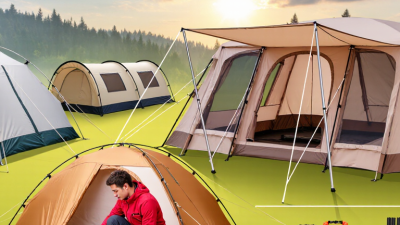
Dome tents suit weekend campers who need quick setup and a stable, freestanding shape. Their curved poles shed wind reasonably well, though sloping walls leave less room for standing. Cabin tents trade wind performance for near-vertical walls and space for chairs, bags, and changing. They work best at established sites, where their weight and broad footprint matter less. There is a trade-off.
Tunnel tents offer generous sleeping space and useful storage, but need well-placed stakes and guylines. They can feel awkward in exposed wind if pitched side-on. Backpacking tents prioritize low weight and compact packing; the price is often tighter living space and less room for wet gear. Choose by weather, group size, and how far you carry the shelter—not by floor area alone. A roomy tent may be miserable to haul uphill.
Demand spans many camping styles: the 2024 North American Camping Report from Kampgrounds of America reported that 58 million North American households camped in 2023. That figure describes households, not tent purchases, so it cannot identify one universally best design. Still, it suggests why different layouts matter. Check the packed weight, rainfly coverage, ventilation, and setup requirements before buying. Tent capacity labels can also feel optimistic when everyone brings bulky sleeping bags.
What Is the Best Type of Camping Tent?
Tent choice is a trade-off: more room usually means more fabric, poles, and weight. A spacious cabin tent suits car camping, where a flat floor and near-vertical walls make changing easier. But it can catch wind like a sail. Backpackers often choose a dome or trekking-pole shelter instead. These designs reduce packed weight, though sloping walls leave less usable space. The Outdoor Industry Association’s 2024 participation report counted 175.8 million U.S. outdoor participants, a reminder that camping needs vary widely. One tent style cannot serve every trip.
Weather protection depends on more than the tent label. Check the fly coverage, seam construction, ventilation, and stated hydrostatic-head rating. EN ISO 5912:2020 sets safety and performance requirements for leisure tents, but no rating guarantees comfort in every storm. A roomy family tent may feel secure in steady rain yet struggle in exposed wind. Small details matter. I’d avoid choosing by floor area alone; I’ve seen a large sleeping footprint feel cramped once packs and wet boots enter.
Tips: Match capacity to your actual group, then allow space for gear. For backpacking, compare packed weight and divide it among hikers if appropriate. For wet, windy sites, look for full fly coverage, sound guy-out points, and clear ventilation options. Practice pitching at home. It is easy to overlook one awkward pole sleeve until the rain starts.
Compare typical two-person tent styles by floor area and packed weight. Larger bubbles indicate stronger expected protection in demanding weather.
Values are representative estimates for common tent designs, not product specifications. Weather protection is a qualitative 1–5 comparison, not a standardized test; actual performance depends on construction, setup, site, and conditions. Four-season designs generally handle wind and snow better, while cabin tents prioritize living space over severe-weather performance.
The best camping tent depends less on a “four-season” label than on where and how you camp. A two-person tent may fit two sleeping bags, but leave little room for wet boots or a pack. Check the floor dimensions and peak height, not just the advertised capacity. Comfort matters at 2 a.m.
Weather changes the choice. For exposed, windy campsites, a sturdy pole structure and secure guylines can help the tent stay stable. In warm, humid conditions, mesh panels and adjustable vents reduce trapped condensation. A rainfly should cover vulnerable areas, while the floor needs a durable groundsheet on rough or damp soil. No tent fixes poor site selection.
Weight and setup matter on the trip itself. Backpackers may prefer a lighter shelter, even if it offers less living space; car campers can often carry a heavier tent with room to sit upright. Practice pitching it at home before relying on it in fading light. Small details matter. I have underestimated packed bulk before, and a tent that barely fits in a full pack can make a short hike feel longer. Check your usual group size, sleeping gear, local weather, and the time you are willing to spend setting up.
| Tent Type | Best For | Typical Capacity Guidance | Weather Suitability | Main Advantages | Key Trade-Offs | What to Check Before Choosing |
|---|---|---|---|---|---|---|
| Dome Tent | General camping, weekend trips, and campers who want a straightforward shelter. | Available for solo campers through groups. For extra room, choose a rated capacity larger than the number of occupants. | Many models suit three-season use. Wind resistance depends on pole design, pitching, and site conditions. | Usually freestanding, relatively easy to pitch, and available in a wide range of sizes. | Sloped walls can reduce usable space near the edges; larger models can be bulky to carry. | Compare packed weight, floor dimensions, vestibule space, ventilation, and the number of poles. |
| Cabin Tent | Car camping, family trips, and longer stays where standing room and interior space matter. | Often designed for several people. Check floor area and sleeping layout rather than relying on the capacity label alone. | Typically intended for mild to moderate conditions; large wall areas can catch wind. | Steep walls provide more headroom and usable space; multiple rooms are available on some designs. | Generally heavier and bulkier than backpacking tents, and may need careful staking. | Check packed size, setup requirements, guy-out points, rain protection, and whether the tent fits your vehicle and campsite. |
| Backpacking Tent | Hiking trips where the shelter must be carried between campsites. | Commonly sold in one- to four-person sizes. A two-person model may feel compact for two people with full packs. | Many are designed for three-season conditions; suitability varies by model and expected weather. | Designed to balance carry weight, weather protection, and sleeping space. | Less interior room than most car-camping tents; lighter models may use thinner fabrics. | Compare total packed weight, space per occupant, vestibules, packed dimensions, and how the tent pitches on the ground. |
| Ultralight Tent | Experienced backpackers prioritizing a lower pack weight on long hikes. | Often optimized for one or two occupants, with limited room for bulky gear. | Usually intended for three-season trips. Protection depends on the specific design, materials, and correct setup. | Can substantially reduce the shelter’s contribution to pack weight. | May offer less durability, headroom, or weather margin; some designs require trekking poles and careful pitching. | Check whether stakes or trekking poles are required, what components are included in the listed weight, and how the fabric should be handled. |
| Four-Season / Mountaineering Tent | Exposed, cold-weather trips where stronger wind and snow protection are priorities. | Usually chosen for the number of occupants plus the gear that must stay inside during severe weather. | Built for demanding conditions, but performance still depends on design, setup, site selection, and weather limits. | Typically uses a sturdier structure and materials suited to harsher conditions. | Often heavier and less ventilated than a three-season tent; “four-season” does not guarantee suitability for every storm. | Review the manufacturer’s intended conditions, pole structure, ventilation, snow-loading guidance, and pitching requirements. |
| Tarp Shelter | Minimalist backpackers and campers who are comfortable selecting a sheltered site and setting up a simple shelter. | Capacity depends on the tarp’s dimensions and pitch; sleeping space may not include fully enclosed gear storage. | Can provide rain and sun cover when pitched well, but is more exposed to wind, insects, and blowing rain than an enclosed tent. | Lightweight, packable, and adaptable to different pitches and campsite layouts. | Requires setup skill and suitable trees, poles, or stakes; offers less protection from insects and ground-level drafts. | Consider bug protection, ground coverage, available anchor points, local weather, and your experience pitching it. |
Selection tip: The best tent depends on how you travel, how many people and how much gear it must hold, expected weather, and how much weight you can carry. Capacity labels are not standardized measures of personal space, so compare floor dimensions and vestibules before buying.
The best tent depends less on a season label than on where you will sleep. For a dry summer campsite, a lightweight dome tent is often easy to pitch and gives good airflow. Mesh panels help on warm nights, but they offer little protection from wind-driven rain. Check that the fly covers the sleeping area, not just the roof.
For backpacking, weight and packed size matter. A simple trekking-pole shelter can save space, though it may take practice to pitch evenly on rocky ground. Small details matter. On exposed ridges or in colder weather, a sturdier tent with strong poles and a full-coverage rainfly is usually a safer choice. A four-season design can handle harsher conditions, but it may feel stuffy during mild, wet weather. More protection is not always more comfort.
Families and car campers may prefer a roomier cabin-style tent, especially when muddy boots and gear need space. Its tall walls are convenient, but they can catch gusts like a sail. I would avoid choosing by sleeping capacity alone; a tent rated for four can feel cramped once bags are inside. Before a trip, practice pitching it and check the forecast, ground, and likely wind exposure. A tent that works beautifully on level grass may be awkward on a sloped, stony site.