What Is a Camping Tent and How to Choose the Right One?
A Camping Tent is more than a waterproof shelter. It is your bedroom, storage space, and protection from changing weather. On a cold morning, a narrow entrance can make dressing difficult. During rain, weak seams may quickly become a serious problem. Choosing well means matching the tent to your destination, season, group size, and travel style.
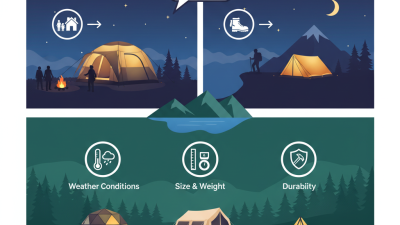
Start by considering capacity, weight, packed size, and setup time. A two-person tent often feels comfortable for one person with equipment. However, two adults may need extra floor space for wet clothing and backpacks. Check the hydrostatic head rating, taped seams, pole materials, and ventilation design. These details matter more than bright colors or attractive photographs. In windy areas, strong poles and reliable guy lines can improve stability. In warm climates, mesh panels and two-way doors encourage airflow. Small details matter.
Your experience also shapes the right decision. A backpacker may value a lightweight shelter, while a family camper may prefer height and multiple rooms. Read current manufacturer specifications and independent field reviews, because product names can hide important differences. No tent is perfect. I once underestimated packed volume, and the shelter occupied more space than expected. That mistake still influences how I compare equipment. Think about real conditions, not ideal advertisements. The best Camping Tent should protect you comfortably, fit your equipment, and remain manageable when weather turns unpleasant. Test the setup at home if possible. A few minutes in the backyard can reveal confusing poles, tight corners, or missing instructions before the campsite does.
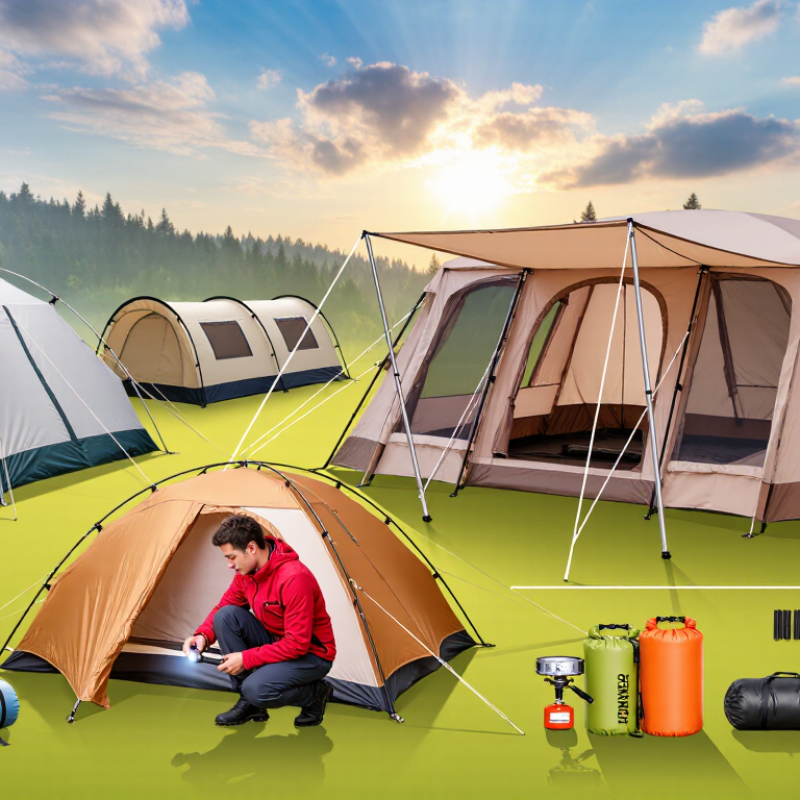
What Is a Camping Tent?
A camping tent is a temporary shelter designed for outdoor sleeping and living. It usually combines fabric walls, supporting poles, a waterproof floor, and a rainfly. The inner space protects campers from wind, insects, ground moisture, and changing weather. Ventilation openings matter too. Without them, condensation can collect above your sleeping bag.
Camping tents serve different purposes. A backpacking tent prioritizes low weight and compact packing. A family tent offers more standing room and storage space. A three-season model handles ordinary spring, summer, and autumn conditions. A four-season model uses stronger poles and tighter fabric for severe weather. The right choice depends on users, campsite, climate, and transport method.
Demand for outdoor shelter reflects broad participation. The Outdoor Industry Association’s 2024 Outdoor Participation Trends Report recorded 175.8 million U.S. outdoor participants in 2023. The 2024 North American Camping Report also reported 57.8 million camping households in 2023. These figures show a large user base, but they do not define one perfect tent. I have found that advertised capacity can feel optimistic when bags, shoes, and wet clothing fill the floor. A two-person tent may fit two sleeping bodies. It may not fit two comfortable campers. Check packed size, setup time, waterproof ratings, and interior dimensions before buying. Small details matter.
Which Types of Camping Tents Suit Different Activities?
A camping tent is a temporary shelter designed for sleeping outdoors. Its shape, fabric, weight, and ventilation affect comfort and safety. Choosing one depends less on appearance and more on the activity, weather, and number of sleepers.
For car camping, a spacious cabin tent works well. Tall walls allow people to stand, change clothes, and organize sleeping bags. Large windows improve airflow during warm nights. For backpacking, choose a lightweight dome or tunnel tent. A compact two-person model usually balances weight, weather protection, and interior space. It may feel tight with backpacks inside. That is normal.
Family camping often suits a multi-room tent with a separate sleeping area. This layout gives children more room and creates useful storage space. In windy or rainy conditions, a low-profile geodesic tent offers stronger stability. Winter camping needs a four-season tent, stronger poles, fewer mesh panels, and a snow-shedding design. Festival camping may prioritize quick setup, ventilation, and privacy rather than extreme weather resistance. I have learned that advertised capacity can feel optimistic. Two people with thick sleeping bags may need a three-person tent. Check the packed size, floor dimensions, rainfly coverage, and setup instructions before leaving home. A short practice setup can reveal confusing clips or missing parts. Not every choice works perfectly.
What Is a Camping Tent and How to Choose the Right One?
Different tent designs perform better in different outdoor activities. The chart compares typical suitability scores from 1 to 5, based on weather protection, portability, interior space, and ease of setup.
Backpacking tents are lightweight and compact, making them suitable for hiking. Family cabin tents provide more headroom and living space for car camping, while four-season mountaineering tents are designed for snow, strong winds, and severe weather. Ultralight trekking-pole tents are efficient for long-distance trips, and pop-up tents are convenient for festivals and short recreational stays.
How to Choose the Right Tent for Your Camping Needs
A camping tent is your temporary shelter outdoors, but choosing one involves more than counting sleeping spaces. Start with your camping conditions. A summer campsite needs airflow and shade, while mountain trips demand stronger poles, waterproof fabric, and better wind resistance. Check the tent’s waterproof rating, seam protection, and floor design before trusting it in heavy rain.
Think about capacity carefully. A two-person tent usually feels more comfortable for one camper with equipment. Measure the packed size if you will carry it in a backpack. Weight matters less at a drive-in campsite, but it becomes noticeable after several hours on a trail. I also check the entrance shape, storage pockets, and ventilation openings. Small details can prevent wet clothing and frustrating nights.
Set up the tent before your trip. This confirms that the poles, clips, and rainfly work together. I once skipped this step and discovered a confusing buckle after sunset. It was not dangerous, but it made the evening unnecessarily difficult. Look for a level site without loose branches or shallow depressions. Choose a model you can assemble calmly in poor weather, even if its design is not the lightest. Personal comfort, local weather, and transport method should guide the final choice.
What Is a Camping Tent and How to Choose the Right One?
Practical comparison guide for selecting a camping tent according to trip type, weather, space, and carrying needs.
| Tent Type |
Typical Capacity |
Best Use |
Typical Weight Range |
Weather Protection |
Main Advantages |
Important Limitations |
| Backpacking Tent |
1–3 people |
Hiking, trekking, and low-weight trips |
About 0.8–3.5 kg |
Usually designed for three-season conditions; some models are suitable for four-season use |
Lightweight, compact, and relatively quick to set up |
Limited interior space and storage; lighter fabrics may require careful handling |
| Dome Tent |
2–6 people |
General camping and weekend trips |
About 2–7 kg |
Good wind resistance when properly guyed; protection depends on the rainfly and floor design |
Stable structure, broad availability, and simple setup |
Less standing room than cabin-style designs; usable space decreases near the sloped walls |
| Cabin Tent |
4–10 people |
Family camping and longer stays at established campsites |
About 7–20 kg |
Suitable for moderate weather; large vertical walls can be more exposed to strong wind |
Tall ceilings, spacious floor plans, and comfortable movement inside |
Heavy, bulky, and generally unsuitable for carrying long distances |
| Tunnel Tent |
2–6 people |
Camping where sleeping and living areas are both needed |
About 3–10 kg |
Good rain protection and strong performance when positioned with the narrow end facing prevailing wind |
Efficient use of space and useful vestibule areas |
Requires suitable staking; broadside winds can place greater stress on the structure |
| Four-Season Mountaineering Tent |
1–4 people |
Winter camping, snow, and exposed high-altitude locations |
About 1.5–6 kg |
Designed for stronger wind, snow loading, and colder conditions |
Robust poles, stronger fabrics, and reduced mesh improve protection |
More expensive, heavier, and less ventilated in warm weather |
| Pop-Up Tent |
2–4 people |
Short recreational trips and easy campsite setup |
About 2–5 kg |
Usually intended for mild three-season weather |
Very fast setup and convenient use for beginners |
Can be difficult to fold and pack; often less stable in severe weather |
Key Tent-Specification Checklist
| Selection Dimension |
What to Check |
Recommended Decision Rule |
| Capacity |
Sleeping area, vestibule size, and personal gear |
Choose the listed capacity based on the number of sleepers, or select one size larger for extra comfort and equipment storage. |
| Season Rating |
Ventilation, mesh coverage, rainfly, pole strength, and snow capability |
A three-season tent suits spring, summer, and autumn; choose a four-season design for winter or severe mountain conditions. |
| Packed Weight |
Total tent, poles, rainfly, stakes, and storage bags |
Prioritize minimum weight for backpacking; prioritize space and durability when traveling by vehicle. |
| Weather Resistance |
Full-coverage rainfly, sealed seams, bathtub-style floor, guy points, and pole structure |
For wet or windy locations, use a full rainfly, secure every corner, and follow the recommended guy-line setup. |
| Ventilation |
Roof vents, mesh panels, adjustable doors, and airflow between inner tent and rainfly |
Select more mesh and larger vents for warm climates; balance ventilation with protection in cold or stormy conditions. |
| Interior Space |
Floor dimensions, peak height, vestibules, doors, and storage pockets |
Consider the tallest user, sleeping mats, clothing, and wet footwear before choosing the floor plan. |
| Ease of Setup |
Pole design, color-coded clips, freestanding structure, and setup time |
A freestanding design is convenient on hard or rocky ground, while any tent still benefits from proper staking in wind. |
What Features Should You Check Before Buying a Tent?
A camping tent is a temporary shelter designed for sleeping outdoors. Before buying one, check its true sleeping capacity, not only the advertised size. A two-person tent may feel cramped with two sleeping bags and backpacks inside. Measure the floor length if you are tall. A small vestibule also keeps muddy shoes and wet equipment outside the sleeping area.
Weather protection deserves careful inspection. Look for a waterproof floor with raised edges, fully covered seams, and a rainfly that extends beyond the inner tent. Strong poles and secure attachment points improve stability in wind. However, a high waterproof rating does not guarantee comfort. Good ventilation matters too. Mesh panels, adjustable vents, and two-way doors reduce condensation on cold mornings. A tent can be waterproof yet unpleasantly damp inside.
Think about the places you actually visit. A lightweight tent suits long hikes, while a heavier model may offer more room for car camping. Check the packed size, pole length, fabric strength, and repair options. Practice setting it up before your first trip. I once ignored this step and discovered that the instructions were unclear after sunset. That mistake still shapes my buying decisions. Some tents look spacious online but have sharply sloped walls, leaving little usable headroom. If possible, inspect the interior dimensions and test the zippers, clips, and ventilation openings before paying. Улар