Leave Your Message
Choosing a canvas tent supplier in China is not just a price comparison. It is a close look at fabric, stitching, frame design, and the people behind the production line. A sample may look convincing under showroom lights, yet reveal loose seams or uneven coating after a week outdoors. Small details matter.
A reliable supplier should explain canvas weight, weave, water-repellent treatment, seam construction, and care requirements in plain terms. Ask for product specifications, current sample photos, and clear answers about customization and quality checks. If possible, inspect a sample yourself. Feel the fabric. Check the corners and stress points. Ask how the supplier handles a defect. Good answers are specific, not polished promises.
The phrase Canvas A Tent can describe a product category, but it should not replace careful product evaluation. Compare suppliers using the same requirements, including dimensions, fabric composition, hardware, packaging, and lead time. Keep written records. It is easy to miss a detail when a quotation changes.
A named expert quotation should be verified against a reliable source. No source material was provided here, so inventing an expert’s name or words would weaken trust. One practical rule still holds: “Ask for evidence, not assurances.” Even then, evidence has limits. A sample cannot guarantee every production run, and a checklist cannot catch everything. Use this guide to assess suppliers with care, ask better questions, and choose a partner whose claims match the tent in front of you.
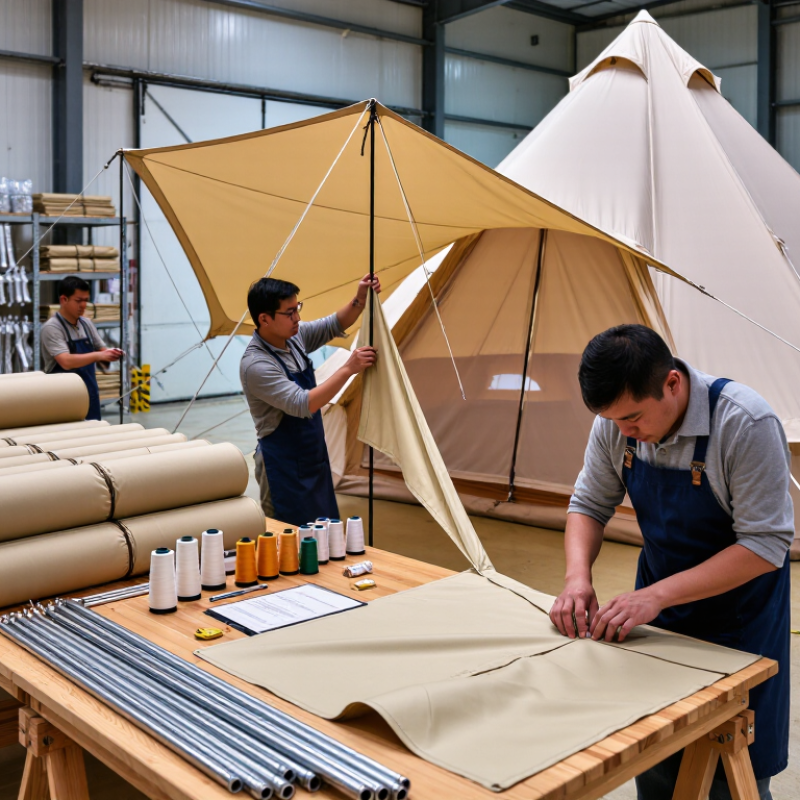
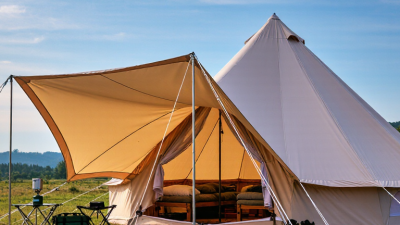
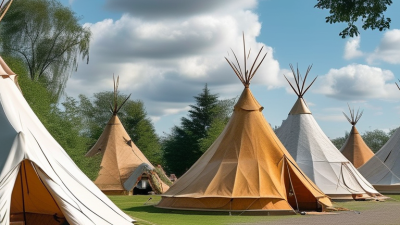
Canvas tents differ in shape, fabric, and intended use. A bell tent offers open central space, while a wall tent provides straighter sides for beds or equipment. Polycotton blends can balance breathability and weather resistance; treated canvas may shed rain more effectively, but coatings can affect airflow and repair options. No fabric suits every site. Consider wind exposure, rainfall, humidity, and how often the tent will be packed. A tent for a damp coastal campsite has different needs from one used for occasional events on dry ground.
Define your requirements before comparing suppliers in China. Specify sleeping capacity, usable floor dimensions, packed weight, door placement, groundsheet design, and expected setup time. Ask for fabric weight, treatment details, seam construction, and care instructions in writing. Request a sample or prototype, then inspect stitching, zippers, and fabric after setup. Small details matter. A specification sheet can still leave gaps, especially around weather testing and replacement parts. Discuss acceptable tolerances and production checks, and confirm how changes will be documented. Your first choice may need revision once you test a sample in realistic conditions.
| Tent Type | Typical Size and Capacity | Common Structure | Canvas and Weather Considerations | Best Suited To | Project Details to Confirm with the Supplier |
|---|---|---|---|---|---|
| Bell tent | Often about 3–6 m in diameter; sleeping capacity varies with size and layout, commonly around 2–8 people. | Central support pole with a perimeter frame or A-frame doorway support. | Cotton or polycotton canvas is common. Ask about water-repellent treatment, seam construction, ventilation, and care instructions; canvas generally needs to be dried before storage. | Glamping, campsites, seasonal accommodation, and smaller group stays. | Finished diameter, center height, door dimensions, groundsheet type, number of windows, stove-jack option, packed size, and replacement-part availability. |
| Wall tent | Frequently made to order; footprints around 3 × 4 m to 5 × 7 m are practical planning examples. Capacity depends on the floor plan and furnishings. | Rectangular tent body with vertical walls, supported by a separate pole or frame system. | Heavy-duty canvas options are available. A stove jack may be specified, but safe installation requires suitable clearances, compatible stove equipment, and compliance with local fire rules. | Longer stays, base camps, field operations, and projects needing more usable wall space. | Exact footprint, wall height, frame material, door and window layout, floor or groundsheet design, stove-jack position, wind-loading requirements, and assembly method. |
| Safari or lodge tent | Often custom-sized; approximately 4 × 6 m to 6 × 10 m can serve as an initial planning range. Guest capacity depends on room divisions and furniture. | Usually a larger frame-supported design, sometimes installed on a raised platform; frame materials and construction vary by project. | Polycotton, treated canvas, or other specified fabrics may be offered. Confirm UV resistance, water-repellent treatment, ventilation, and suitability for the expected climate. | Glamping resorts, lodge accommodation, and semi-permanent outdoor guest facilities. | Platform interface, structural drawings, fabric specification, room layout, bathroom or partition provisions, local wind and rain conditions, installation scope, and maintenance plan. |
| Ridge tent | Compact models are commonly designed for a small group, often about 2–4 people; dimensions vary by design. | Traditional sloping roof supported by a ridge pole and end poles, with guy lines for stability. | Canvas offers a breathable option, but performance depends on fabric treatment, seam details, pitching, and weather exposure. Check whether the tent must be fully dried before packing. | Camping, outdoor education, and projects prioritizing a straightforward traditional layout. | Sleeping footprint, pole set, guy points, ventilation openings, groundsheet arrangement, packed weight, and spare poles or fittings. |
| Canvas marquee or event tent | Modular sizes can be joined to suit an event footprint; usable capacity depends on layout, furniture, exits, and local occupancy rules. | Frame-supported structure, often using repeated bays; anchoring and installation requirements depend on the design and site. | Fabric may be canvas, treated textile, or a coated material. Ask for the exact fabric composition and relevant flame-performance documentation required for the destination market. | Events, dining areas, exhibitions, and temporary covered spaces. | Span and bay length, entrance and exit layout, anchoring method, installation drawings, wind limits, fire-safety documentation, and delivery or installation responsibilities. |
| Fabric specification for any type | Request the fabric weight in g/m² and the finished fabric width; compare like-for-like specifications rather than relying on labels such as “heavy duty.” | Ask whether the material is cotton canvas, polycotton, or a coated synthetic fabric, and whether the quoted product includes a groundsheet. | Cotton canvas is generally breathable but can absorb moisture and requires proper drying. Coated fabrics can improve water resistance but may have different breathability, weight, and repair characteristics. | All projects, especially those with defined climate, storage, fire-safety, or maintenance requirements. | Request a material sample, written fabric specification, care instructions, and applicable test reports for the exact fabric and treatment being quoted. |
| Supplier and production checks | Not applicable; evaluate against the order quantity, delivery schedule, and required customization. | Confirm which components are included: tent body, poles or frame, groundsheet, pegs, guy lines, bags, and hardware. | Ask how seams, reinforcements, waterproof treatments, and any required flame-performance tests are checked and documented. | Every sourcing project, whether ordering a prototype, a small batch, or a larger production run. | Approve a pre-production sample or specification sheet; agree tolerances, inspection criteria, packaging, lead time, warranty terms, spare parts, and shipping responsibilities in writing. |
| Planning note: Size ranges and capacities above are indicative examples, not fixed industry standards. Actual dimensions, guest capacity, weather performance, materials, and compliance requirements vary by design and destination market. Confirm the final specification and applicable local regulations before placing an order. | |||||