How to Choose a Canvas Tent in 2026?
Choosing a canvas tent in 2026 starts with use, not appearance. A cream-colored shelter may look timeless, yet its fabric, seams, and frame determine comfort and dependable performance. The 2024 KOA North American Camping Report recorded 57.8 million U.S. and Canadian camping households in 2023. That scale matters. The Outdoor Industry Association’s 2024 Outdoor Participation Trends Report counted 175.8 million U.S. outdoor recreation participants during the same year. Neither report measures canvas tents directly, so these figures provide context rather than proof of demand.
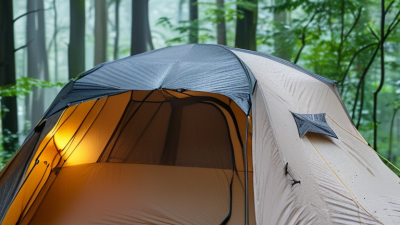
A sound choice begins with climate and transport. Wet forests call for tightly woven fabric, sealed seams, and reliable rain protection. Dry plains reward adjustable vents and breathable panels. A ten-ounce canvas can feel reasonable at camp, then punishing after a muddy carry. Check pole joints, guy lines, zipper tracks, and repair access before paying. Small failures become cold, damp nights. The phrase “Canvas A Tent” may assist product searches, but specifications matter more than labels. Look for stated fabric weight, packed size, warranty terms, and clear care instructions.
A practical comparison should also examine capacity honestly. Two people, bedding, and wet clothing need more floor space than a product photo suggests. Do not assume every canvas shelter accepts a stove. Use only compatible equipment and follow the manufacturer’s ventilation and fire-safety instructions. This guide weighs durability, weather resistance, setup effort, and long-term value. It also admits an uncomfortable point: the heaviest tent is not automatically the best tent. Personal judgment still matters. Data narrows the choice; real conditions finish it.
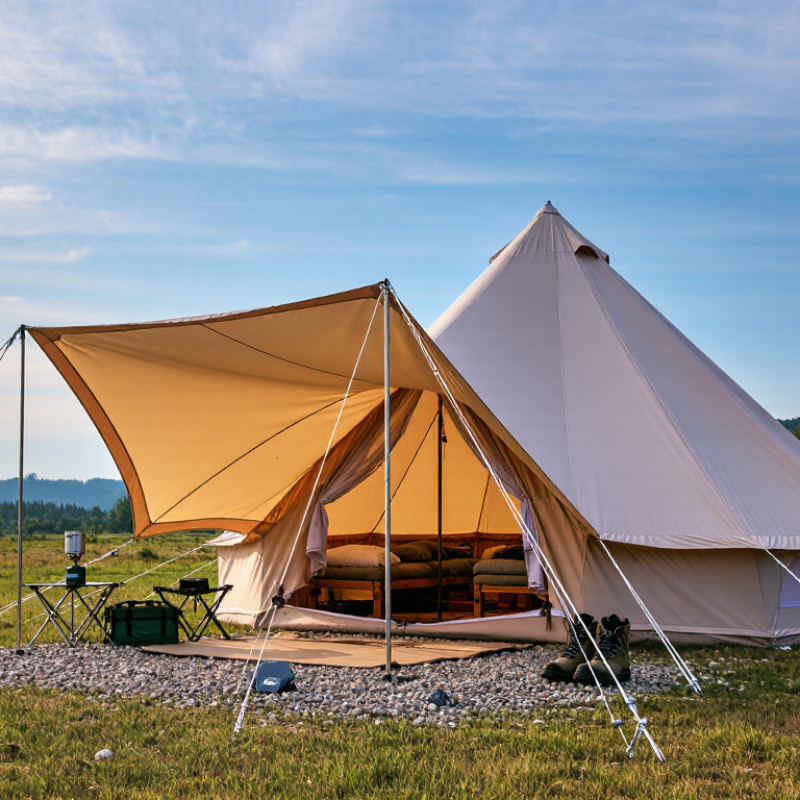
Define Your Canvas Tent Needs and Camping Conditions
Choosing a canvas tent in 2026 starts with understanding your camping conditions, not chasing the largest shelter. Consider where you will camp, how often, and for how long. A weekend near a dry forest requires different protection than a windy mountain campsite. Check local weather records, ground conditions, and seasonal temperature changes before buying.
Think about your group size and daily routine. A couple carrying equipment may need a compact tent with space for wet clothing and cooking gear outside. Families often need higher walls, wider doors, and room to move during rainy afternoons. Heavy canvas resists abrasion and softens noise, but it also weighs more than many synthetic options. I once underestimated packed weight, and the short walk from the vehicle became exhausting. That mistake still influences my choices.
Tips: Test your sleeping layout on paper. Mark beds, bags, boots, and a small table. Leave ventilation openings clear, especially in humid weather. Look for reinforced seams, sturdy poles, repairable fabric, and reliable storm flaps. If you camp in frequent rain, practice setup before leaving home. Canvas can absorb moisture and become heavier. Do not assume waterproofing lasts forever; inspect the fabric and seams each season. A slightly smaller tent may work better when transport, drying space, and setup time matter. Loose plans cause problems.
Compare Canvas Types, Weights, and Weather Resistance
Choosing a canvas tent in 2026 starts with understanding the fabric, not the advertising label. Cotton canvas feels cool and breathable during warm afternoons. It also handles sparks better than many synthetic fabrics. However, cotton absorbs water and becomes noticeably heavier after rain. Polycotton dries faster and usually weighs less. Its synthetic fibers improve durability, but ventilation can feel weaker on humid nights.
Fabric weight matters. A 280–320 gsm canvas suits hikers who need manageable carrying weight. Heavier 340–400 gsm canvas often feels stronger in rough weather. Yet weight alone cannot prove quality. I have seen thick fabric perform poorly when stitching and seams were neglected. Check reinforced corners, seam construction, and the quality of the pole sleeves. Small details matter in hard rain.
Weather resistance depends on more than waterproof treatment. A tight weave, well-sealed seams, a raised bathtub floor, and a useful roof overhang all reduce water entry. Cotton may shrink slightly after its first wetting, so follow the setup instructions carefully. Dry the tent completely before storage. I once packed a damp canvas shelter too quickly; the smell returned days later. Ventilation openings should remain partly open, even during rain, because condensation can soak sleeping bags from inside. Test the tent in your local climate before trusting it for a long trip. Forecasts can be wrong.
How to Choose a Canvas Tent in 2026?
Compare common canvas constructions by typical fabric weight and practical weather resistance. Higher weight can improve durability and thermal stability, while blended or coated fabrics generally dry faster and resist prolonged rain better.
Note: Fabric weights are representative ranges converted to midpoint values in ounces per square yard. Weather resistance is a comparative 1–5 index based on water repellency, drying speed, mildew resistance, and performance in sustained wet conditions; actual results depend on weave, seams, coatings, maintenance, and tent design.
Check Quality, Maintenance Needs, Safety, and Overall Value
How to Choose a Canvas Tent in 2026?
Quality begins with the fabric, stitching, poles, and floor design. Look for tightly woven canvas with even seams and reinforced stress points. A weak zipper can ruin an otherwise excellent shelter. The Outdoor Foundation’s 2024 report recorded 175.8 million U.S. outdoor participants in 2023. More users mean more demanding conditions. I prefer checking samples by hand, not trusting photographs.
Maintenance affects real value. Canvas needs complete drying after rain, careful brushing, and breathable storage. Never pack it while damp. Mildew can appear quickly in folded fabric. Inspect guy lines, pole joints, and floor edges before every trip. My first judgment is not always right; heavy canvas may feel durable but can increase transport effort. A lighter shelter may serve better for frequent travel.
Safety deserves equal attention. The Consumer Product Safety Commission repeatedly warns about carbon monoxide from fuel-burning equipment in enclosed spaces. Keep stoves and heaters outside the sleeping area. Ventilation openings should remain clear, even during cold weather.
ISO 5912:2022 provides performance requirements for camping tents, including rain resistance and structural considerations. Check whether the model’s documentation identifies relevant testing. Compare repairability, warranty terms, replacement parts, setup time, and expected service life. A low purchase price is not low value if one damaged pole ends the season. I still measure packed size beside my vehicle. Small details matter.