Leave Your Message

What Is a Trekking Bag and Which Type Is Best?

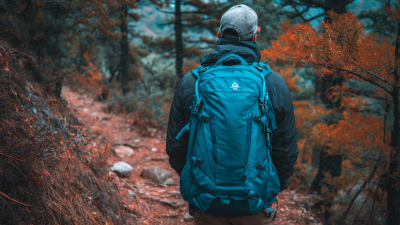
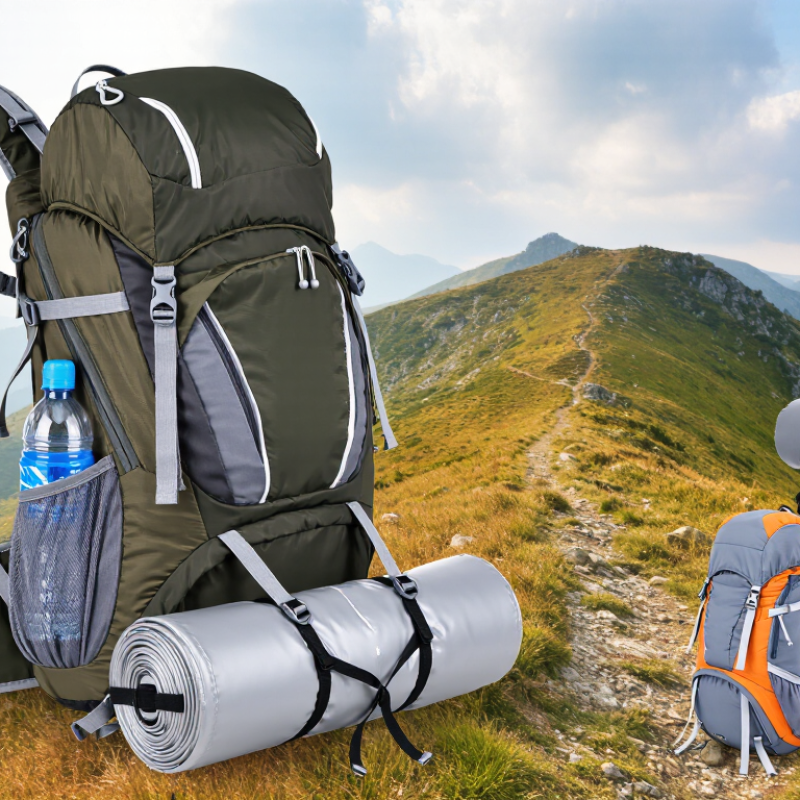
A Trekking Bag is designed to carry essential gear during walking trips, mountain routes, and multi-day adventures. It differs from an ordinary backpack through its structured support, durable materials, and outdoor-focused features. Padded shoulder straps, a breathable back panel, and a stable hip belt can reduce pressure when the trail becomes steep. Practical details matter. A water bottle should be easy to reach. A rain cover can protect clothing during sudden showers.

The best type depends on distance, climate, body shape, and equipment. A small daypack suits short hikes with snacks, water, and a light jacket. A medium trekking backpack works better for overnight trips. Longer journeys may require a large pack with adjustable suspension and separate sleeping-bag storage. Capacity alone should not decide the purchase. An oversized bag may encourage unnecessary packing and create uncomfortable weight. A compact model may force important gear outside, where it can become wet or damaged.

Fit is often more important than brand reputation. The hip belt should rest securely on the hips, while the shoulder straps should follow the body without cutting into the neck. Load the bag before buying it. Walk, bend, and adjust every strap. Small differences become obvious after several hours.

There is no universal winner. Even experienced hikers sometimes choose poorly after focusing on appearance. Reliable advice should consider tested comfort, material quality, repair options, and realistic trail conditions. This guide examines common Trekking Bag types and explains how to select one with confidence, while acknowledging that personal comfort can challenge even sound recommendations.

What Is a Trekking Bag and Which Type Is Best?

Definition and Core Purpose of a Trekking Bag

A trekking bag is a purpose-built backpack for carrying equipment across uneven ground, changing weather, and long distances. Its core purpose is not simply to hold more items. It should distribute weight close to the body, reduce movement, and keep essential gear accessible. A stable hip belt carries much of the load, while adjustable shoulder straps control fit. A sternum strap can improve balance on steep paths.

Capacity should match the trip. A 15–30-liter pack often suits a day trek with water, food, insulation, and basic safety equipment. Overnight routes may require 35–50 liters, while multi-day trips commonly need 50–75 liters.

These ranges are practical, not absolute. The Outdoor Industry Association reported 175.8 million U.S. outdoor participants in 2023, showing the scale of demand for suitable carrying equipment (2024 Outdoor Participation Trends Report). The National Park Service recorded more than 325 million recreation visits in 2023, many involving walking or hiking environments (2023 National Park Visitor Spending Effects Report).

The best type depends on duration, load, climate, and personal fit. A ventilated daypack can feel comfortable in humid conditions, but its frame may lack support for heavier loads. A framed trekking pack offers better weight transfer, though it can feel excessive on short trails. Water-resistant fabric helps, but it is not waterproof protection. A pack liner remains sensible. No specification is perfect; poor adjustment can make an excellent bag uncomfortable within one hour.

Key Features and Construction of Trekking Bags

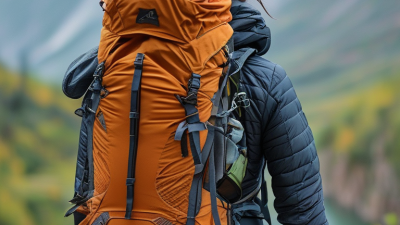
Trekking bags are built for uneven ground, changing weather, and long hours under load. Unlike casual daypacks, they use a shaped back panel, supportive shoulder straps, and a padded hip belt. The hip belt should rest on the pelvis, not the stomach. Fit matters greatly.

Most trekking bags combine tightly woven synthetic fabric with reinforced stitching at stress points. A durable base protects against wet soil and rough rock. Water-resistant coatings shed light rain, but they rarely replace a pack cover or dry liners.

Zippers need large pulls for cold fingers. Compression straps keep the load close to the spine, while side pockets hold bottles within reach. Weight matters. Extra compartments improve organization, but they can add weight and reduce flexibility.

Construction details become obvious after several hours. Good load transfer keeps the shoulders relaxed and limits movement on steep paths. Ventilation helps, but a wide gap can move the center of gravity away from the body. That trade-off deserves attention.

I once preferred maximum airflow, then found the shifting load tiring on rocky climbs. A simpler, closer-fitting panel performed better for me.

Check every seam, buckle, and adjustment point before leaving. Small defects become larger problems far from assistance. A stable bag can make rough terrain feel noticeably less demanding.
Main Types of Trekking Bags and Their Uses

A trekking bag is built for carrying equipment across uneven ground, often for several hours or days. Its frame, hip belt, ventilation, and load adjustment matter more than fashionable features. The Outdoor Foundation’s 2024 Outdoor Participation Trends Report recorded 175.8 million American participants in outdoor recreation during 2023. That scale shows why choosing the right carrying system deserves practical attention.

A daypack, usually 15–30 litres, suits short hikes, commuting trails, and warm-weather walks. It can hold water, food, a light layer, and basic first aid.

A hydration pack is smaller and useful for fast trips where drinking matters more than storage.

An overnight trekking pack, commonly 35–55 litres, carries a sleeping bag, shelter, cooking equipment, and spare clothing. For longer routes, a 60–80-litre expedition pack offers space for heavier supplies. However, extra capacity often encourages unnecessary packing.

Fit should follow the trip, not the other way around. The American Hiking Society recommends carrying only essential equipment and distributing weight close to the body.

A properly adjusted hip belt should support much of the load, while shoulder straps stabilize it.

I still overpack socks sometimes. That habit reveals a common mistake: litre ratings do not measure comfort. Test the loaded bag, walk uphill, and check whether it shifts or presses your lower back. Pack choice remains personal, and even experienced hikers can misjudge weather, food, or distance.

How to Choose the Best Trekking Bag for Your Needs

What Is a Trekking Bag and Which Type Is Best?

A trekking bag is built to carry outdoor gear comfortably over long distances. Choosing one starts with your route, weather, and expected load. For day hikes, a 20-to-30-liter bag usually holds water, food, a light jacket, and basic first-aid supplies. Overnight trips often need 40 to 55 liters. Multi-day journeys may require more space, but extra capacity can encourage overpacking. A half-empty bag can still feel heavy.

Fit matters more than appearance. Measure your torso length, then adjust the shoulder straps and hip belt carefully. When loaded, the hip belt should carry much of the weight without slipping. Shoulder straps should rest smoothly, not press sharply near your neck. I once chose a bag because its pockets looked convenient. It seemed comfortable in the shop. After six hours on a steep trail, the frame rubbed my lower back. That mistake changed how I test outdoor equipment.

Check the construction before buying. Durable fabric, reinforced seams, and reliable buckles matter when rocks scrape the bag. Water-resistant materials help during light rain, but they rarely replace a rain cover. Look for pockets that you can reach while walking. Before buying, load the bag with similar equipment and walk around for at least ten minutes. Try stairs, too. The best trekking bag fits your body, not just your packing list. Still, comfort can change after several hours, so leave room to rethink your choice.

What Is a Trekking Bag and Which Type Is Best? - How to Choose the Best Trekking Bag for Your Needs

Trekking Bag Types Compared by Capacity, Features, and Intended Use
Bag Type Typical Capacity Best For Key Features Expected Load Main Advantages Limitations Recommended Choice When...
Day Hiking Pack 15–30 L Short hikes, nature walks, and day trips Lightweight frame or frameless design, water-bottle pockets, hydration compatibility, and exterior storage Light to moderate Compact, easy to carry, and suitable for quick access to essentials Limited space for overnight equipment or bulky clothing You return the same day and need only food, water, clothing layers, and basic safety gear
Overnight Trekking Pack 30–45 L One-night trips and lightweight camping Padded hip belt, adjustable torso, sleeping-bag compartment, rain cover, and multiple access points Moderate Balances carrying comfort with enough room for basic overnight equipment May feel cramped with heavy or winter-season equipment You need shelter, a sleeping system, food, and clothing for one night
Multi-Day Backpack 45–65 L Several-day treks and three-season camping Internal frame, supportive hip belt, load-lifter straps, compression straps, and organized compartments Moderate to heavy Versatile capacity for food, clothing, sleeping gear, and cooking equipment Heavier and less maneuverable when fully packed You are carrying several days of supplies without relying on frequent resupply points
Expedition Trekking Pack 65–90+ L Long expeditions, remote travel, and cold-weather trips Heavy-duty frame, reinforced fabric, extensive adjustment, large hip belt, and high load-support capacity Heavy Carries bulky equipment, extra food, winter layers, and technical gear Bulky, heavier, and excessive for short or lightweight trips You need maximum capacity and expect demanding conditions or limited resupply
Hydration Pack 5–15 L, excluding reservoir volume Fast hikes, trail running, and short activities Built-in water reservoir, hose routing, breathable back panel, and compact storage Light Provides convenient access to water while keeping weight and movement restrictions low Not designed for camping equipment or large quantities of food and clothing Hydration and mobility matter more than carrying capacity
Travel-Trekking Pack 40–70 L Travel that combines walking, transport, and outdoor use Front-loading access, stowable shoulder straps, lockable zippers, laptop storage, and detachable daypack options Moderate Convenient organization and protection during transit Often less ventilated and less optimized for technical trail use Your trip includes airports, public transport, hostels, and occasional trekking
Quick Selection Guide: Choose a day hiking pack for single-day outings, a 30–45 L pack for an overnight trip, a 45–65 L pack for most multi-day treks, and a 65 L or larger pack for extended or cold-weather expeditions. The best trekking bag should fit your torso comfortably, place most of the weight on your hips, provide enough capacity without excessive empty space, and match the weather and terrain you expect to encounter.

Packing, Fitting, and Caring for a Trekking Bag

A trekking bag carries more than equipment. It controls comfort, balance, and energy on the trail. Choose its capacity according to trip length and gear needs. A small daypack suits short hikes, while multi-day routes require more space and support. Avoid filling every pocket. Extra room can encourage unnecessary weight.

Packing works best when heavy items sit close to your spine. Place dense gear near shoulder-blade level, not at the bottom. Keep rainwear, snacks, and navigation tools easy to reach. Use waterproof liners for clothing and sleeping gear. Separate wet items from dry layers. I once packed a water bottle beside spare clothes. One loose cap caused a soaked shirt. That mistake still influences my packing routine.

Tips: Adjust the torso length before tightening anything. Pull the hip belt across your hip bones, then secure the shoulder straps. Load the bag before fitting it. A balanced pack should feel stable, not rigid. Check the fit after thirty minutes, because straps often settle. It may take several attempts.

Care extends a bag’s working life. Empty every pocket after hiking. Shake out sand and leaves. Wipe fabric with mild soap and cool water. Let the bag dry fully away from direct heat. Inspect seams, buckles, and zippers before each trip. Small damage is easier to repair at home than beside a wet mountain path. Never store the bag compressed for months. Loose storage helps preserve its shape.

What Is a Trekking Bag and Which Type Is Best?

A trekking bag is a purpose-built backpack designed to carry clothing, food, water, and safety equipment comfortably over long distances. The best capacity depends mainly on trip length, weather, and the amount of equipment required.

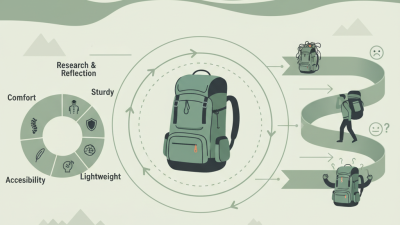
How to use the chart: Day hikes commonly need 15–25 liters, while extended trips may require 60–80 liters. Pack heavier items close to your back, adjust the hip belt so it carries most of the weight, and keep frequently used items near the top or in outer pockets. After each trip, empty the bag, remove dirt with mild soap and water, air-dry it completely, and store it in a cool, dry place.