What is a Pop Up Tent and How Does It Work?
A Pop Up Tent is an innovative solution for campers and outdoor enthusiasts. Renowned industry expert, Sarah Thompson, once stated, "Pop Up Tents redefine convenience in outdoor living." These tents offer ease of setup and portability, making them attractive to many.
Crafted with unique frames, Pop Up Tents unfold quickly. Users can enjoy quick shelter without hassle. However, some may struggle with wind resistance or proper anchoring. It’s crucial to understand that they are not all-weather options.
While they excel in convenience, Pop Up Tents sometimes lack durability. They may not withstand severe conditions. This leads to a need for careful consideration before purchasing. Recognizing both advantages and limitations can ensure a rewarding camping experience.
Understanding the Concept of Pop Up Tents
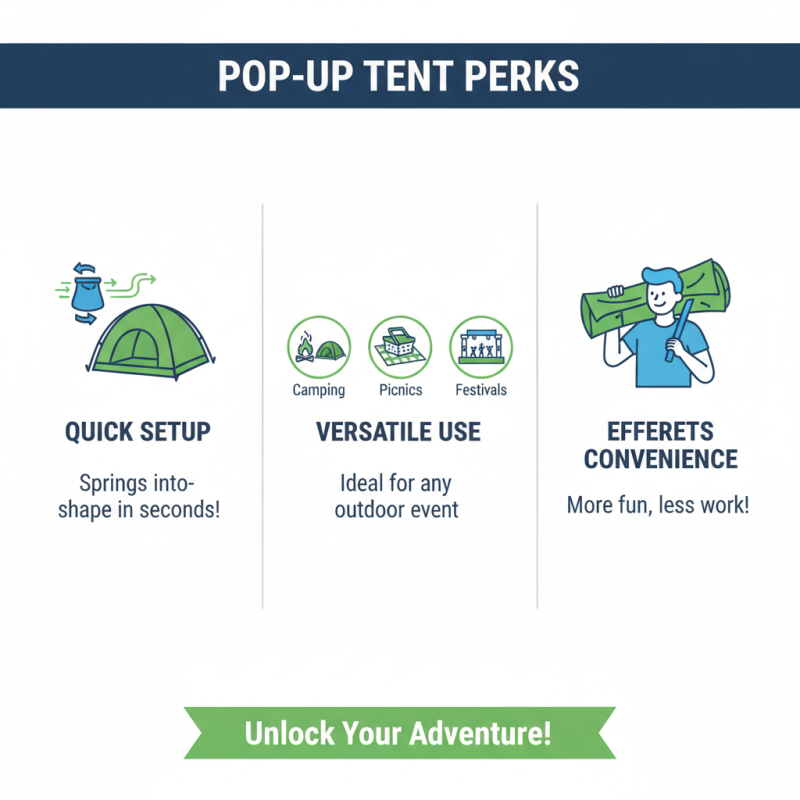
Pop up tents are innovative camping solutions designed for convenience. They spring into shape with minimal effort. Unlike traditional tents, they don’t require extensive setup. Just unbox, throw it out, and watch it rise. It's almost magic how they unfold in seconds. This simplicity appeals to both novice campers and seasoned adventurers.
Understanding pop up tents goes beyond their functionality. They are often compact and lightweight. This feature makes them ideal for on-the-go scenarios like music festivals or day trips. However, users sometimes overlook their durability in adverse weather. Wind and heavy rain can challenge even the best designs. Proper care and understanding of limitations are essential.
Many people enjoy the ease of using these tents but face issues with space. They may seem larger when packed up. Yet, inside, it can feel a bit cramped. Such experiences can lead to reflections on needs versus comfort. Finding the right balance is key.
Popularity of Pop Up Tents Over the Years
The Mechanism Behind Pop Up Tent Functionality
Pop-up tents have gained popularity for their convenience and ease of use. These tents operate on a simple yet effective mechanism. They typically use pre-assembled poles that are stored within the fabric itself. When you take the tent out of its carrying bag, it springs into shape, ready for use. This process can be surprisingly swift. However, it requires some space and may be difficult in tight areas.
The design of pop-up tents is based on a flexible framework. This framework allows the tent to collapse and expand effortlessly. Yet, deploying it in strong winds may pose challenges. Sometimes, the tent may not hold up as expected, leading to frustration. Proper staking is essential but often overlooked. Users often find that securing the tent properly enhances stability.
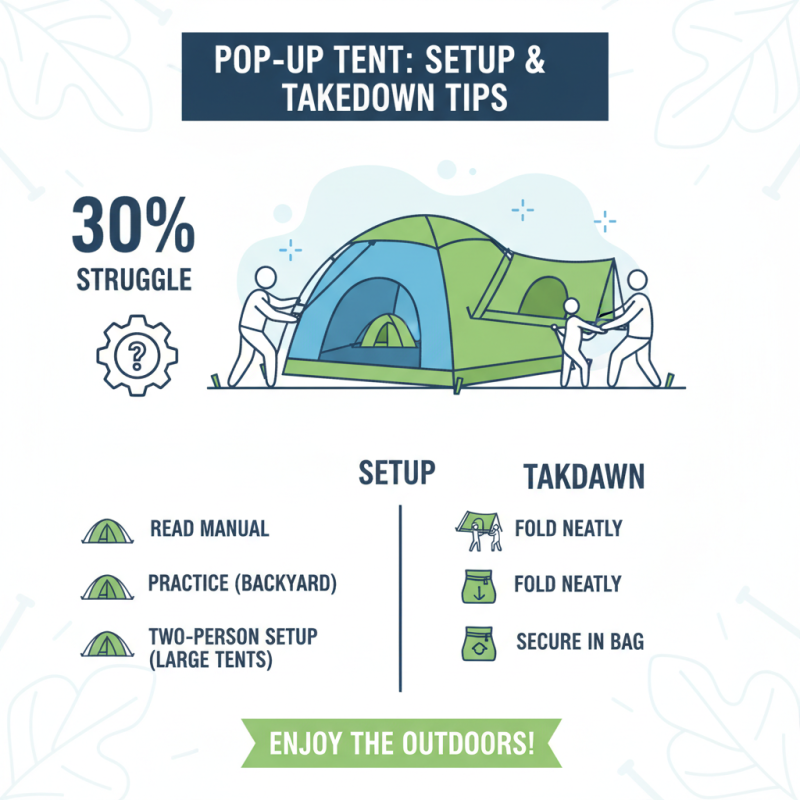
While pop-up tents are user-friendly, there are aspects that could be improved. The initial setup can be overwhelming for beginners. It's vital to read instructions and practice before heading out. Additionally, some materials used may not withstand heavy rain. This could leave users soaked and disappointed. Being aware of these limitations can help in making better choices for outdoor activities.
Advantages of Using a Pop Up Tent for Outdoor Activities
Pop up tents are quick and easy to set up. They are ideal for camping, picnics, and outdoor festivals. The design allows the tent to spring into shape in seconds. This convenience is a major reason people choose them for outdoor activities.
One significant advantage is their portability. Pop up tents are lightweight and compact. You can fit them in your backpack. This makes hiking and traveling with a tent much simpler. However, since they often come with thin materials, care must be taken to avoid wear and tear.
Tip: Choose locations with soft ground for placement. This reduces stress on the tent’s structure. Also, practice setting it up at home. This will save you time in the wild. While they offer great benefits, be aware of their limitations, such as poor wind resistance.
Different Types of Pop Up Tents Available on the Market
When considering pop-up tents, it's important to explore the various types available. There are several designs tailored for different activities. Some pop-up tents are specifically made for camping, while others suit beach outings. Each type has its unique features and advantages. For instance, camping pop-up tents usually offer more durability and protection against the elements. They often have additional layers for weather protection.
Beach pop-up tents are designed for easy setup and portability. They often feature lightweight materials, making them convenient for travel. These tents provide shade from the sun but may lack the sturdiness needed for windier conditions. Moreover, some pop-up tents cater to families, featuring multiple rooms and greater space. Others are compact and ideal for solo adventurers or couples. Yet, choosing the right one can be tricky.
Users must also consider their own experiences and needs. A family tent may seem appealing, but it could be cumbersome for solo hikes. Alternative designs might not offer the same comfort. Additionally, the ease of setup can vary widely. Some tents pop up within seconds, while others require more time and effort. Reflections on personal preferences and past camping experiences can help in making a more informed choice.
What is a Pop Up Tent and How Does It Work? - Different Types of Pop Up Tents Available on the Market
| Type of Pop Up Tent |
Best Use |
Capacity |
Weight |
Setup Time |
| Beach Tent |
Sun Protection |
2-4 people |
2-5 lbs |
Instant |
| Camping Tent |
Outdoor Camping |
2-6 people |
5-10 lbs |
5-10 minutes |
| Festival Tent |
Music Festivals |
1-4 people |
3-7 lbs |
2-5 minutes |
| Screen Tent |
Bug Protection |
4-6 people |
4-8 lbs |
3-7 minutes |
| Portable Canopy |
Shade and Shelter |
Various |
10-20 lbs |
5-15 minutes |