How to Choose the Perfect Outdoor Backpack for Your Adventures?
Choosing the right Outdoor Backpack can be a game-changer for your adventures. The ideal backpack balances comfort, durability, and functionality. A well-chosen pack enhances your experience, allowing you to focus on the journey ahead.
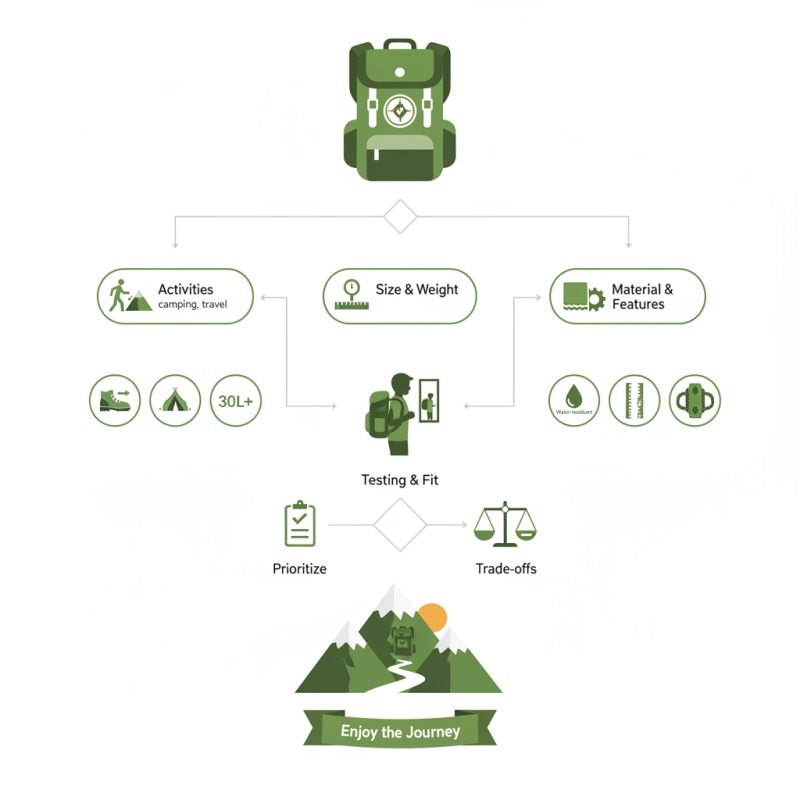
When selecting an Outdoor Backpack, consider factors like size, weight, and material. A heavy backpack can cause strain, and an ill-fitting one may lead to discomfort. Explore various designs to find what suits your needs. It’s essential to reflect on what activities you'll undertake. Hiking, camping, or traveling all require different features in a backpack.
Do not overlook the importance of testing the backpack in-store. Adjust the straps and check the fit. Real-life trials can reveal unexpected issues. Remember that no backpack is perfect. There may be trade-offs. Prioritize what matters most to you. With careful consideration, the right Outdoor Backpack will accompany you on countless adventures, making every outing enjoyable and memorable.
Understanding Your Outdoor Activity Needs
When selecting an outdoor backpack, it’s vital to understand your specific activity needs. For instance, hikers prioritize weight distribution and breathability, while campers often seek storage capacity and organization. According to a 2022 Outdoor Industry Association report, approximately 30% of outdoor enthusiasts reported that comfort directly impacts their adventure experiences.
Consider the nature of your activities. Are you planning a day hike or a week-long backpacking trip? Large backpacks are ideal for extended trips but can feel bulky on shorter excursions. Choose one that matches your typical use.
**Tips:** Test your backpack fully loaded before purchasing. Comfort often diminishes over long periods. Adjust straps properly to ensure maximum stability.
It’s easy to overlook the importance of fit. A poorly fitting pack can lead to fatigue and soreness. Research indicates about 50% of backpackers reported discomfort due to improper sizing. Reflect on your body type and adjust your selection accordingly. Proper padding and suspension systems matter greatly.
Outdoor Backpack Features Comparison
Determining the Appropriate Backpack Size and Capacity
Selecting the right size and capacity for an outdoor backpack is crucial for any adventure. Research indicates that over 60% of outdoor enthusiasts choose backpacks that do not fit their needs. The appropriate size often depends on the length of the trip, the gear requirement, and personal comfort.
For day hikes, a pack with a capacity of 20-30 liters may suffice. For multi-day trips, consider a backpack of 50-70 liters. This range allows for ample space for essentials while maintaining comfort.
Experts recommend that a fully loaded backpack should not exceed 20-25% of your body weight. However, many users ignore this guideline, which can lead to discomfort. A heavy load can strain the back and shoulders. Adjusting the load distribution is vital. For instance, heavy items should be packed close to your back and at waist level for better balance. Remember, each adventure is unique. Reflecting on how past experiences influenced your packing can lead to better choices next time.
While many brands provide general size charts, personal preferences play a significant role. Some people might find a 40-liter pack too bulky, while others appreciate the extra space. Comfort is key. Spending time adjusting straps and testing the fit can prevent future issues. It’s essential to listen to your body and learn from any discomfort during hikes.
Evaluating Material Durability and Weather Resistance
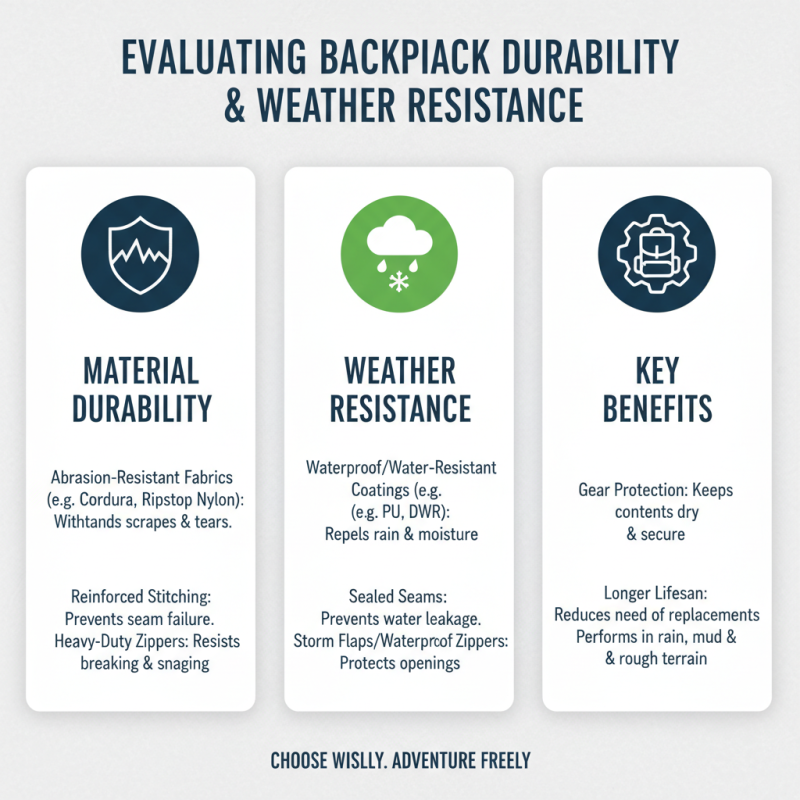
Choosing the right backpack for outdoor adventures goes beyond style. Material durability and weather resistance are vital. When you hike or camp, your gear faces the elements. Rain, mud, and rough terrain can quickly ruin a backpack made from inferior materials.
Look for fabrics like nylon or polyester. These materials are durable and resistant to wear. They withstand abrasions well. Ripstop technology adds strength, making them suitable for harsh conditions. Consider waterproof coatings too. A backpack that repels water can keep your belongings dry during unexpected showers.
Reflect on your needs. If you often hike in wet climates, prioritize waterproof features. Yet, a completely waterproof bag may lack breathability. This can lead to discomfort during long treks. Balance is key. Think about how often you hike and the conditions you face. A versatile backpack can adapt to varying weather but might not excel in extreme situations. Remember, every feature has its trade-offs. Your adventure style shapes these choices.
Exploring Features for Comfort and Usability
When selecting an outdoor backpack, comfort and usability are crucial features to consider. According to a recent industry report from the Outdoor Industry Association, 77% of outdoor enthusiasts prioritize comfort when choosing their gear. A well-structured harness system can distribute weight effectively, minimizing strain on your shoulders and back. Most hikers prefer padded shoulder straps and a supportive hip belt to enhance their trekking experience, especially on long hikes.
Additionally, usability features can make or break an adventure. A study by the American Hiking Society found that 54% of hikers abandoned their trips due to inadequate gear. Look for backpacks with multiple compartments. These allow for easy organization of essentials like water bottles, snacks, and gear. Hydration compatibility is another key aspect, with many modern designs featuring built-in reservoirs. However, some users note that finding the right size for their needs can be challenging. It’s important to reflect on what you actually carry, rather than just relying on marketing claims.
Consider materials that offer durability while keeping weight low. Lightweight backpacks often sacrifice some durability, which can lead to frustration over time. Difficulties arise when these bags tear or wear down quickly. The balance between lightweight design and long-lasting materials is a point of contention for many adventurers. In the end, tailoring your backpack choice to fit your specific activities can lead to a more enjoyable outdoor experience.
Setting a Budget and Assessing Value for Money
When choosing an outdoor backpack, setting a budget is crucial. A recent report from the Outdoor Industry Association states that 40% of consumers spend between $100 and $250 on backpacks. This range often offers a balance of quality and durability, essential for outdoor adventures. Consider how much you are willing to invest in your backpack. Remember, a higher price does not always guarantee better performance.
Assessing value for money is equally important. Look for features that enhance functionality. For example, adjustable straps, waterproof materials, and ample storage can significantly impact your experience. According to a 2022 survey by Backpacker Magazine, 75% of outdoor enthusiasts prioritize comfort and accessibility over brand names. This insight challenges the notion that costly brands are always the best choice.
However, be cautious of overspending on unnecessary features. Many backpacks come with additional pockets and gadgets that may not be useful for your specific activities. Reflect on where and how you will use the backpack. A simple, well-constructed design may serve you better than a feature-laden option that weighs you down. Paying attention to these aspects can lead to smarter, more satisfying purchases.
How to Choose the Perfect Outdoor Backpack for Your Adventures? - Setting a Budget and Assessing Value for Money
| Backpack Type |
Price Range (USD) |
Volume (Liters) |
Weight (kg) |
Material |
Water Resistance |
Best Use |
| Daypack |
50-100 |
15-30 |
0.5-1.5 |
Nylon |
Yes |
Day hikes |
| Weekend Backpack |
100-200 |
30-50 |
1.5-2.5 |
Polyester |
Yes |
Weekend trips |
| Trekking Backpack |
200-400 |
50-80 |
2.5-3.5 |
Ripstop Nylon |
Yes |
Extended hikes |
| Technical Backpack |
200-500 |
40-70 |
1.5-2.5 |
Cordura |
Highly Water Resistant |
Climbing or Snow Sports |
| Hydration Pack |
30-70 |
5-20 |
0.2-0.8 |
Nylon |
Yes |
Biking or Running |