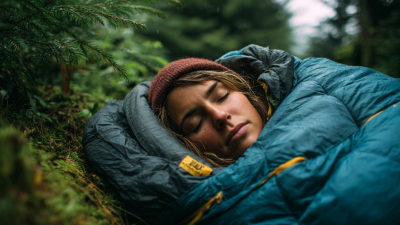
How to Choose the Best Sleeping Bags for Your Adventures?
Choosing the right sleeping bag can make or break your outdoor adventure. According to Mark Johnson, a renowned expert in the field of camping gear, “Good sleeping bags are key to a restful night in the wild.” His experience suggests that the quality of your sleep influences your overall enjoyment during trips.
Sleeping bags come in various shapes, sizes, and materials. It’s important to consider your specific needs and the environment. Temperature ratings play a crucial role. Choosing one that is too warm or too cold can lead to discomfort. Many campers overlook this aspect and regret it later.
Compatibility with your gear is also essential. A good sleeping bag must fit your backpack and work with your sleeping pad. However, some overlook these details. Researching and trying out different options can lead to better choices. Remember, investing in good sleeping bags is a step towards unforgettable adventures in nature.
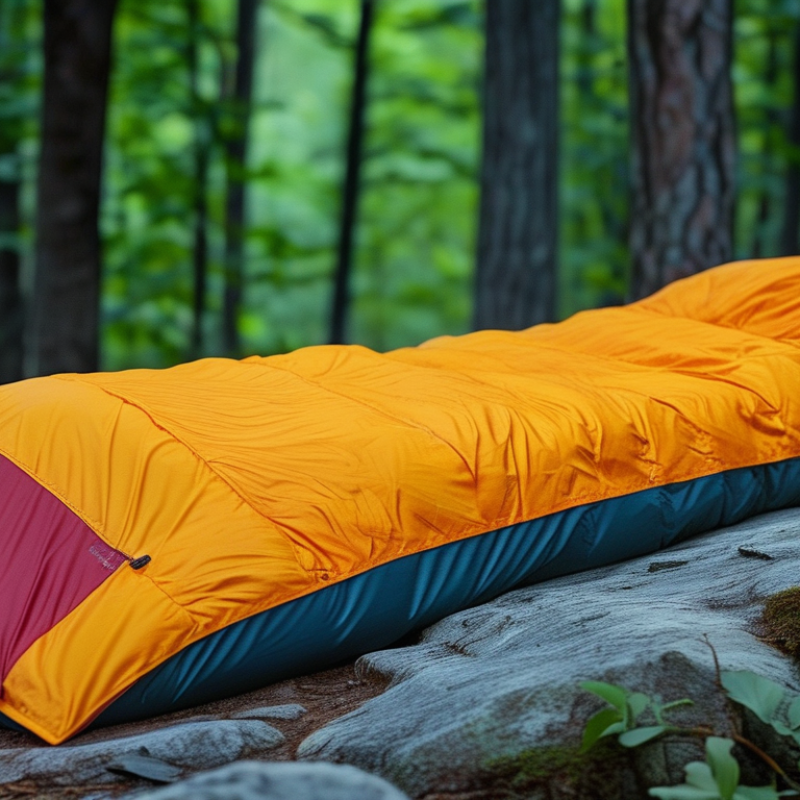
Understanding Different Types of Sleeping Bags for Various Adventures
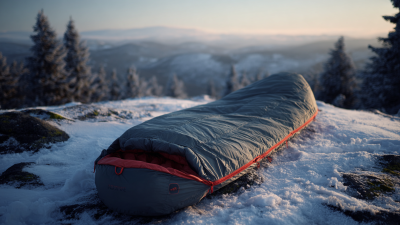
Choosing the right sleeping bag is crucial for your adventures. Different types of sleeping bags cater to various needs. When heading to colder climates, an insulated sleeping bag is essential. These bags trap body heat effectively. Seek bags rated for lower temperatures. In warmer weather, a lightweight sleeping bag or a sleeping bag liner works well. These options offer breathability and comfort.
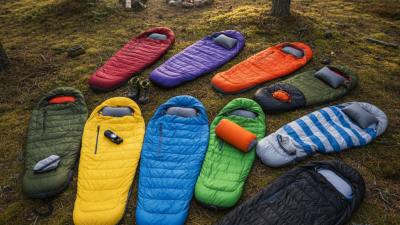
Consider the shape of the sleeping bag too. Mummy bags are snug and warm. They reduce extra space, enhancing insulation. Rectangular bags provide more room to move. If you’re sharing space, two rectangular bags can zip together for added comfort. Also, check the weight of the sleeping bag. Lightweight options are ideal for backpacking.
Tips: Always try out the bag before purchasing. Feel the material and test the zipper. Make sure it fits you well. After your trip, clean the bag according to the care instructions. It helps maintain its performance. Think about storage too; keeping it in a loose bag prolongs its life. Enjoy your adventures while staying cozy!
Key Features to Consider When Choosing a Sleeping Bag
When selecting a sleeping bag, several key features demand attention to ensure comfort and safety during your adventures.
Temperature rating is crucial; a bag rated for colder conditions will keep you warm in chilly nights. According to the Outdoor Industry Association,
42% of campers experience cold discomfort, highlighting the importance of this feature. Choose a bag that fits the specific climate you expect to encounter.
Weight and packability are equally important. Ultralight bags are essential for backpackers who prioritize mobility. A bag that weighs less than two pounds can make a
significant difference on long treks. The American Hiking Society notes that 67% of hikers prefer lightweight gear to improve endurance.
However, lighter options may compromise insulation. Assess the trade-off carefully.
Finally, the shape of the sleeping bag affects your overall comfort. Mummy bags provide warmth and are highly efficient in retaining heat, appealing to cold-weather adventurers.
Rectangular bags offer more space and are suitable for warmer climates. You may find that your ideal choice doesn't perfectly match one category.
Some bags exhibit features of both shapes. Experiment with different styles to find what works best for your unique needs. Consider these factors, and you'll make an informed choice for your next overnight escapade.
Evaluating Temperature Ratings for Climate and Season Suitability
When choosing a sleeping bag, understanding
temperature ratings is crucial.
These ratings indicate the lowest temperatures at which the bag will keep you warm.
However, the real-world performance can vary. Factors like humidity
and wind chill can impact comfort. So ensure your
bag’s rating aligns with expected weather conditions.
Tips: Opt for a sleeping bag with a
lower rating than the coldest temperature you expect. This provides a safety buffer.
Pay attention to the bag’s insulation material as well. Synthetic materials
perform better in wet conditions, while down insulation
offers excellent warmth-to-weight ratios.
Consider how you sleep. If you’re a cold sleeper, choose a bag
rated for a few degrees lower. Bag shape matters too.
Mummy bags are warmer but snugger, while rectangular bags offer
more room. Don't forget to test your bag at home. It’s better to find out about cold spots
indoors than on a camping trip.
Material and Construction: Impact on Weight and Durability
Choosing the right sleeping bag requires careful consideration of materials and construction. The fabric significantly affects the weight and durability of the bag. For instance, nylon is a popular choice because it is lightweight and resistant to wear. However, it can sometimes sacrifice breathability. If you plan long hikes, weight matters. Choose a bag that balances comfort and portability.
Insulation type also plays a key role. Down insulation is lightweight and compressible, making it ideal for backpacking. Yet, it loses insulating ability when wet. Synthetic insulation, on the other hand, retains warmth even when damp. Think about your adventures before making a choice. What conditions will you face? Different environments demand different bags.
The stitching and zippers also impact durability. Bags with double stitching often last longer. Quality zippers prevent snagging, which can be frustrating. Reflect on your own experiences with sleeping bags. Have you faced problems with any of these aspects? Understanding your needs will help you choose wisely. A sleeping bag is an investment in your comfort and safety outdoors.
Budgeting for Quality: Choosing a Sleeping Bag that Fits Your Needs
When selecting a sleeping bag, quality is key. A study by the Outdoor Industry Association reported that nearly 50% of campers prioritize comfort over price. Investing in a well-made sleeping bag can mean the difference between a restful night and a miserable experience outdoors. However, the market is saturated with options. Understanding your budget and needs is essential.
Decide what features matter most to you. Weight, insulation type, and temperature ratings are critical. Research shows that synthetic insulation is typically cheaper but may not provide the same warmth-to-weight ratio as down insulation. Choosing a bag rated for colder temperatures can often mean paying more. But, if you plan to camp in varying conditions, this investment can be worth it.
Not all bags are created equal. Many may feel cozy at first, but durability is often overlooked. Look for bags with reinforced seams and high-quality zippers. A 2021 survey indicated that 30% of outdoor enthusiasts have experienced zipper failure during trips. It's a frustrating situation that detracts from your adventure. Balancing your budget with these quality factors can lead to a better overall experience.
How to Choose the Best Sleeping Bags for Your Adventures? - Budgeting for Quality: Choosing a Sleeping Bag that Fits Your Needs
| Sleeping Bag Type |
Temperature Rating (°F) |
Weight (lbs) |
Insulation Type |
Price Range ($) |
| Mummy Bag |
20 |
2.5 |
Down |
150 - 300 |
| Rectangular Bag |
35 |
3.5 |
Synthetic |
50 - 150 |
| Semi-Rectangular Bag |
30 |
3.0 |
Hybrid |
80 - 200 |
| Ultralight Bag |
15 |
1.5 |
Down |
200 - 400 |
| Kids Bag |
40 |
2.0 |
Synthetic |
30 - 80 |