How to Choose the Best Outdoor Canopy Tent for Your Needs?
Choosing the right Outdoor Canopy Tent can be a challenge. With so many options available, making an informed decision is crucial. Jim Reynolds, an outdoor gear expert, emphasizes, "The right canopy can transform your outdoor experience." This highlights how important it is to select a tent that meets your specific needs.
Consider the environment where you'll use the Outdoor Canopy Tent. Factors such as wind resistance and UV protection are key. Often, people overlook the size and weight. A tent that’s too heavy can be burdensome to transport. In contrast, a lightweight option might lack stability. Understanding the features of various models is essential for a successful purchase.
Many buyers focus solely on cost but should also evaluate durability and quality. A cheap tent may save money upfront but could fail in windy conditions. Reflecting on these aspects can lead to better choices. Your outdoor adventures deserve a reliable shelter that meets all required standards.
Factors to Consider When Selecting an Outdoor Canopy Tent
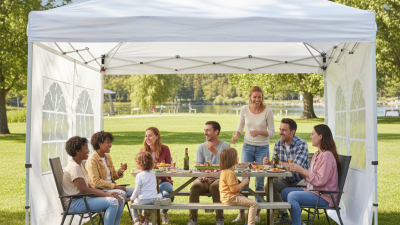
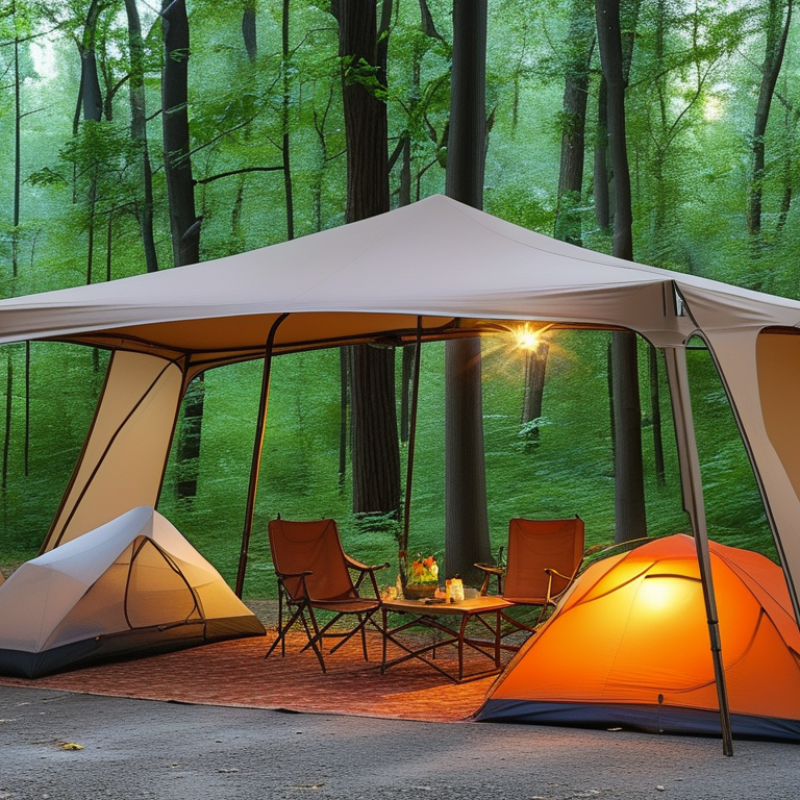
Choosing the right outdoor canopy tent involves considering various factors that align with your specific needs. Start by evaluating the size requirements. Think about how many people you plan to accommodate. A small tent may suffice for an intimate gathering, while larger events could need more space. Also, consider the tent's height. Taller tents can create a more open feel, making it easier for guests to move around.
Material is another crucial aspect. Some canopies are made from polyester, while others use polyethylene. Polyester can offer better UV protection and durability. On the other hand, polyethylene is often more affordable but may not last as long. Assess the weather conditions you expect. Wind and rain can significantly impact your choice. Look for features like reinforced seams and sturdy poles for added stability in harsh conditions.
It's easy to overlook the importance of portability. If you plan to move the tent frequently, weight and ease of setup matter. A tent that looks great but is difficult to carry or assemble may not be suitable for your needs. Researching setup times can save you frustrations later. Consider user reviews, as they often highlight real-world experiences with tents in various conditions. This insight can guide your decision-making process effectively.
Different Types of Outdoor Canopy Tents and Their Uses
When selecting an outdoor canopy tent, understanding the types available is crucial. There are basic pop-up tents, which are popular for casual events. They are easy to set up and take down. These tents offer quick shelter from the sun. However, they may not withstand strong winds or heavy rain. If you need something sturdier, consider a frame tent. These tents require more assembly but provide greater stability.
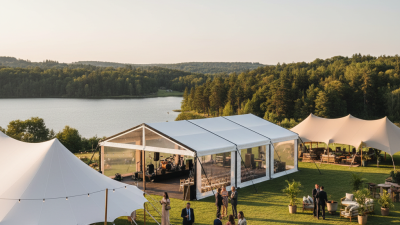
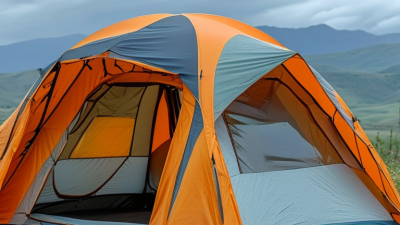
Party tents are another category. They are spacious and designed for larger gatherings. These tents often feature sidewalls, which help block wind and rain. However, they can be heavy and challenging to transport. If weight is a concern, a lighter backpacking canopy may suit smaller outings. These are compact and portable, perfect for camping or day trips, yet they may lack durability.
Each type has its trade-offs. For example, while a pop-up tent is quick to use, its longevity may be questionable. Conversely, a frame tent, though reliable, can be a hassle to set up. Your choice should reflect your specific needs and the environments you expect to encounter. Consider where you’ll use it most and under what conditions. Reflecting on these points will guide you to make a more informed decision.
Size and Space Requirements for Your Outdoor Canopy Tent
When selecting the right outdoor canopy tent, size and space are critical considerations. According to industry reports, most tent purchases are influenced by the intended use and available outdoor area. A typical 10x10-foot canopy is popular for smaller events, providing sufficient shade for about 8-10 people. For larger gatherings, consider a 20x20-foot tent, which can accommodate around 40-50 guests comfortably. Assessing the height is equally important. Many functions require ample headroom, especially if you plan to set up tables and chairs.
It is vital to consider the surface on which the tent will be placed. Grass, concrete, and sand require different weights and anchoring strategies. For example, a canvas tent on grass may need more substantial stakes. Conversely, securing a canopy on a hard surface may require weighted bags. Additionally, leave enough clearance around the tent for support poles and movement. A report by the American Camping Association emphasizes that proper space management can enhance event safety and comfort.
When planning, keep in mind that your expectations may need adjustments. Sizing a canopy too small can lead to cramped conditions. However, too large a tent can waste resources and space. Reflecting on these aspects can lead to better choices. Ultimately, your canopy tent should match both your guest capacity and the area you have available for setup.
Material Durability and Weather Resistance in Canopy Tents
When selecting an outdoor canopy tent, material durability plays a crucial role. Various fabrics are used, each with its own strengths. Polyester is popular for its resistance to fading. However, nylon can offer greater tear strength. Consider the environment where you'll set up. A tent exposed to high winds needs stronger materials.
Weather resistance is equally important. Different coatings can protect against rain and UV rays. Look for tents with waterproof ratings. Some manufacturers provide details on how long their tents can withstand specific weather conditions. This can be quite helpful, but remember that no tent is completely immune to nature's unpredictability.
Reflect on your needs. An ultra-durable canopy might be overkill for occasional use. However, if you plan to camp in harsh conditions, investing in a robust model is wise. Balance your budget with the expected weather challenges. Consider how often you'll use the tent and in what conditions. While extensive features sound appealing, they might not be necessary for all users. Your choice should align with your personal experiences and outdoor plans.
Durability and Weather Resistance of Outdoor Canopy Tent Materials
Budgeting for Your Ideal Outdoor Canopy Tent: What to Expect
Budgeting for an outdoor canopy tent involves careful planning. Start by determining your needs. Consider how often you'll use the tent and for what occasions. A tent for occasional family picnics may not require the same quality as one for frequent outdoor events. Set a budget that reflects your anticipated usage.
Look at various price ranges and features within your budget. Do you need high durability or easy setup? Canopy tents vary widely in price. A basic canopy can be affordable. But, if you seek added features like UV protection, expect to pay more. It’s crucial to balance quality and cost.
Research is essential. Read reviews, and ask for advice from experienced users. Sometimes, investing a bit more upfront saves money in the long run. Reflect on past purchases. Have they met your expectations? Adjust your budget if necessary. Aim for a tent that will serve you well for years.