How to Choose the Best One Person Tent for Solo Camping Adventures
When embarking on solo camping adventures, the choice of equipment can significantly enhance the overall experience, with the "One Person Tent" being a critical component of this gear. According to a report by the Outdoor Industry Association, more than 50% of outdoor enthusiasts prefer solo camping for its unparalleled connection to nature and self-reflection opportunities. With the increasing popularity of solo adventures, the demand for lightweight and compact camping gear is on the rise. The tent industry has experienced substantial growth, estimated at a CAGR of 6.5% from 2019 to 2025, driven by advancements in fabric technology and design aimed at enhancing user experience.
Selecting the best one-person tent requires careful consideration of various factors, including weight, durability, weather resistance, and ease of setup. A recent survey by the American Camping Association revealed that 70% of campers prioritize weight and packability when choosing their camping gear, highlighting the importance of optimizing convenience for solo travelers. As solo camping continues to attract a diverse group of outdoor enthusiasts, understanding the features and specifications that define a high-quality "One Person Tent" becomes essential for a successful and enjoyable camping experience.
Consider Your Camping Environment: Factors Affecting Tent Selection
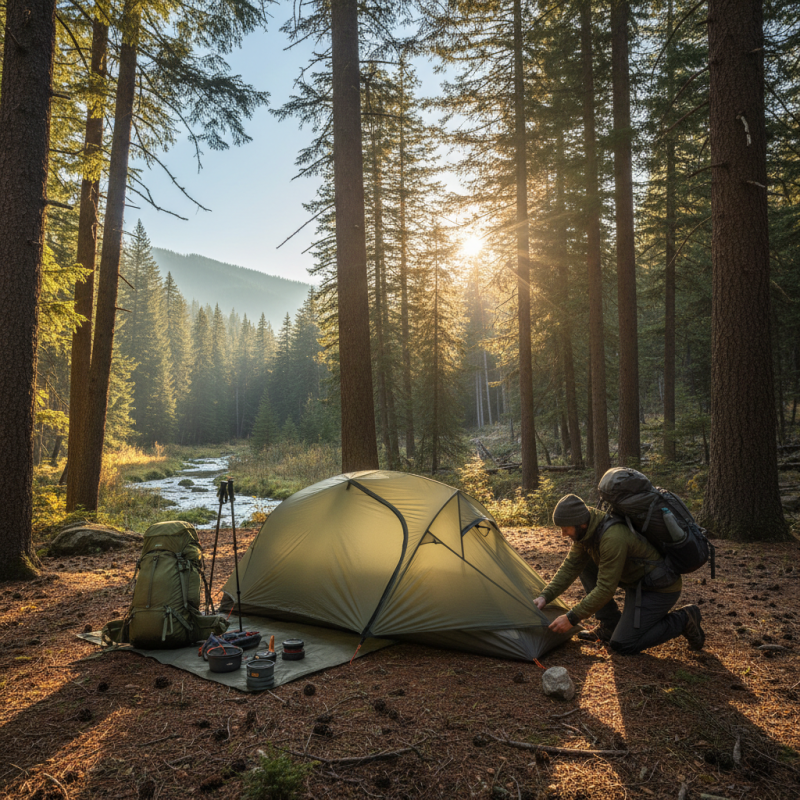
When selecting the best one-person tent for your solo camping adventures, it’s essential to consider the camping environment, as it can significantly influence your choice. Different terrains, climates, and weather conditions dictate specific tent features. For instance, if you plan to camp in a wet or snowy area, you might require a tent with a higher waterproof rating and a strong, resilient fabric to withstand the elements. In contrast, for warmer climates, consider a tent with ample ventilation to keep air circulating and minimize heat buildup.
Tips: Always check the weather forecast before heading out, as this can inform your tent selection and gear preparedness. Additionally, think about the elevation and terrain of your campsite. Rocky or uneven ground may necessitate a tent with a durable footprint and sturdy pegs to anchor it down securely. Pay attention to the weight of the tent too—if you’ll be hiking to your campsite, a lighter model will be more convenient.
Another key factor is the seasonal use of the tent. If you plan on camping year-round, a three-season tent may be ideal as it balances warmth and ventilation. For extreme weather conditions, look for four-season models that provide enhanced stability and insulation. Always tailor your tent choice to the specific environment to ensure a comfortable and enjoyable solo camping experience.
Evaluate Tent Weight and Packability for Ease of Transporting
When selecting a one-person tent for solo camping adventures, one of the most critical aspects to consider is the tent's weight and packability. The primary objective of any solo camper is to travel light without compromising on safety and comfort. A tent that is too heavy can quickly turn a once-enjoyable hike into a strenuous ordeal. Look for lightweight materials that do not sacrifice durability, as this ensures you can carry your shelter without added strain on your back or shoulders.
In addition to weight, the tent's packability plays a vital role in transportation ease. A compact design allows for effortless packing in your backpack, leaving ample room for other essential gear. Pay attention to the tent's dimensions when packed; smaller, easily compressible tents can save valuable space and help maintain an organized pack. Furthermore, consider the tent’s setup process; a tent that can be quickly assembled and disassembled adds to the convenience during trips, allowing you to maximize your time spent enjoying nature rather than struggling with your gear.
Assess Weather Resistance Ratings: Waterproofing and Durability Standards
When selecting the best one-person tent for solo camping adventures, assessing weather resistance ratings is crucial. Waterproofing is one of the primary factors to consider, as it determines how well the tent can protect you from rain and moisture. Look for tents that have a high hydrostatic head rating, typically measured in millimeters, which indicates the amount of water pressure the fabric can withstand before leaking. A rating of 1500mm or higher is generally deemed suitable for most camping conditions, while those designed for extreme weather might feature ratings of 3000mm or more.
Durability standards are equally important when evaluating tents for solo use. Materials like ripstop nylon or polyester with a reinforced silicone or PU coating usually offer enhanced strength and longevity, ensuring your tent can withstand rough conditions without compromising its structure. Additionally, consider the quality of the seams; taped seams will provide better weatherproofing, preventing water from penetrating through needle holes. By focusing on these weather resistance ratings and material durability, you can choose a tent that will keep you dry and comfortable on your solo camping excursions, regardless of the elements you face.
Explore Ventilation Features: Importance for Comfort and Condensation Control
Ventilation is a critical aspect to consider when choosing a one-person tent for solo camping adventures. Proper airflow inside the tent is essential for ensuring a comfortable sleeping environment, allowing fresh air to circulate and keeping humidity levels in check. A well-ventilated tent helps prevent the buildup of condensation, which can lead to damp sleeping bags and a generally uncomfortable experience. Look for tents that feature mesh panels, adjustable vents, or cross-ventilation designs that allow air to flow freely throughout the space.
Condensation control is particularly important during colder nights, when the temperature drops and moisture from your breath can accumulate inside the tent. By selecting a tent with effective ventilation features, you can minimize the amount of condensation that forms on the interior surfaces. This not only helps maintain a dry environment but also contributes to a more enjoyable camping experience overall. Tents that allow you to open vents from both the top and bottom can facilitate better airflow, helping to dissipate moisture and maintain a comfortable temperature inside, regardless of outdoor conditions.
How to Choose the Best One Person Tent for Solo Camping Adventures - Explore Ventilation Features: Importance for Comfort and Condensation Control
| Tent Model |
Weight (lbs) |
Ventilation Features |
Price ($) |
User Rating (out of 5) |
| Model A |
3.5 |
Double roof vent, mesh panels |
120 |
4.5 |
| Model B |
4.0 |
Large mesh windows, adjustable vents |
150 |
4.2 |
| Model C |
2.8 |
Ventilation port, breathable fabric |
100 |
4.7 |
| Model D |
3.2 |
Rainfly with vents, mesh roof |
110 |
4.0 |
| Model E |
3.7 |
Two-way zippers, side ventilation |
130 |
4.3 |
Review Price vs. Quality: Finding Value in One Person Tents for Solo Use
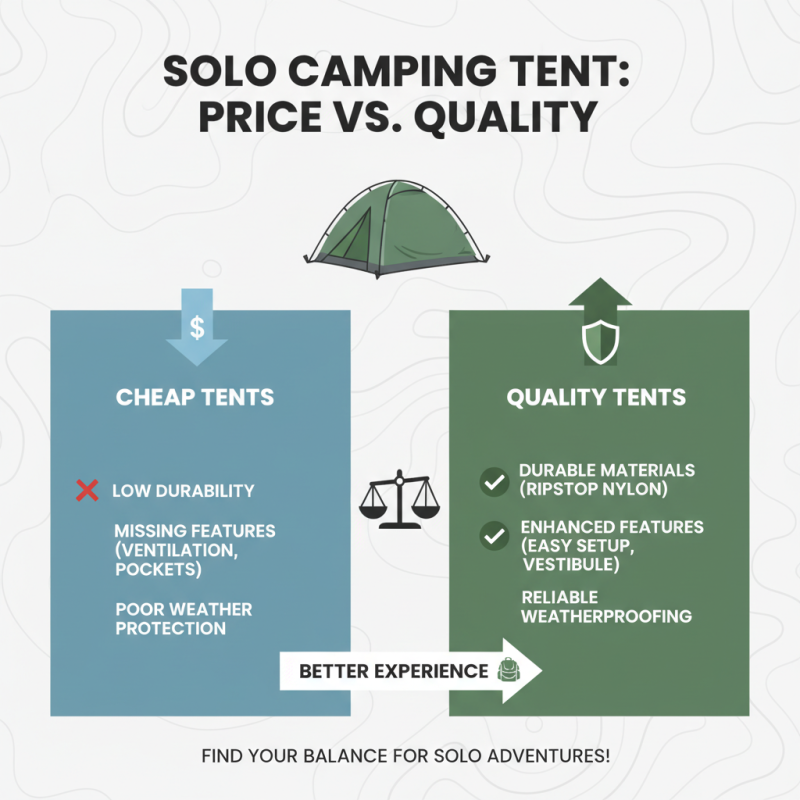
When choosing a one-person tent for solo camping adventures, it's essential to find the right balance between price and quality. A cheap tent may seem attractive at first, but it may lack the durability and features necessary for a comfortable camping experience. High-quality materials and construction can significantly enhance your time spent in the outdoors, ensuring that you are protected from the elements while also enjoying a lightweight and easy-to-carry design.
To find value, carefully examine the tent's materials, weight, and ease of setup in relation to its price. Look for waterproof fabrics, sturdy poles, and adequate ventilation to ensure you get the most out of your investment. Additionally, consider the tent's packed size and weight, especially if you'll be hiking to your camping spot. A higher upfront cost can often translate to longer-lasting performance and comfort, making it worthwhile for extended or frequent trips. Balancing these aspects will help you make an educated decision that aligns with your solo camping ambitions while ensuring you receive the best value for your money.