How to Choose the Best Camping Tent for Your Adventures?
Choosing the right camping tent is crucial for a successful adventure. A good camping tent provides shelter from elements, ensuring comfort during your trip. With numerous options available, picking the appropriate one can be overwhelming.
Consider your destination and climate. Different terrains and weather conditions require specific tent features. A lightweight tent works well for hiking trips. However, a sturdy tent is essential for windy areas. Don't forget about space; ensure there's enough room for occupants and gear.
Reflect on your camping style. Do you prefer minimalist options, or do you need extra features? A tent with easy setup can save time and energy. Remember, the best camping tent is one that suits your needs, rather than just following trends or brand names.
Understanding Your Camping Needs and Environment
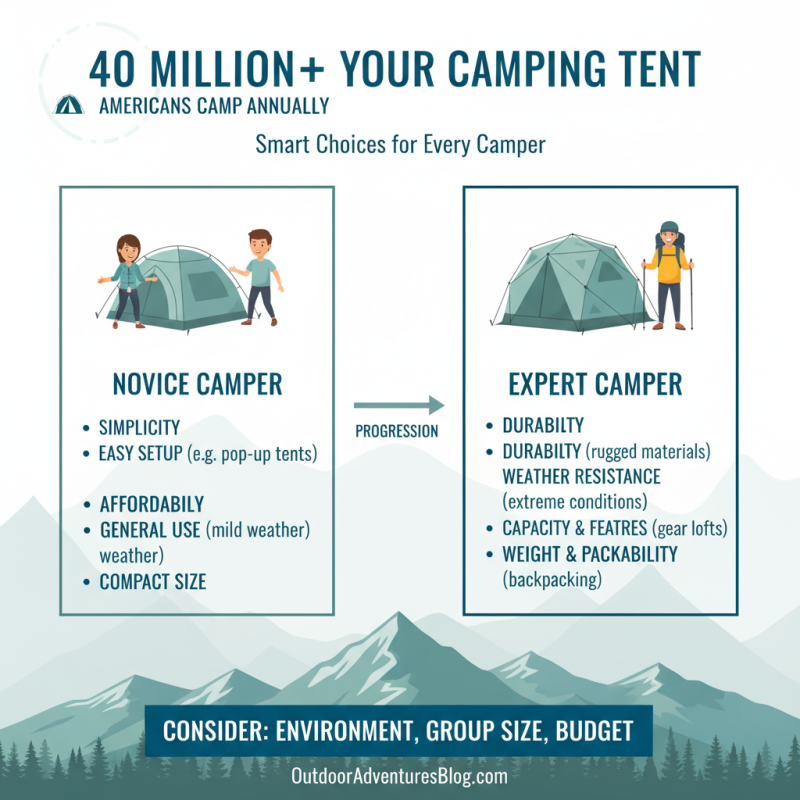
When selecting a camping tent, understanding your specific needs and the camping environment is crucial. According to a report by the Outdoor Industry Association, over 40 million Americans camp annually. These campers vary widely in experience, with experts often investing in specialized gear while novices seek simplicity.
Your camping location greatly influences tent choice. Are you in dense forests, mountainous areas, or at a windy beach? A tent designed for high winds, for example, can withstand harsher conditions. If you're venturing into colder regions, consider a tent that offers better insulation and wind resistance. Remember, a tent might seem perfect at first glance but could fail to perform under unexpected weather conditions.
Tip: Always check user reviews for real-world performance. It's insightful to learn from other campers' experiences. Some tents are heavier than advertised, which can impact your hike.
Consider the number of occupants. A two-person tent might suit solo trips, yet can feel cramped if shared. Unexpected guests can emerge, and accommodating them is essential. A bigger tent offers flexibility but adds weight. These choices require careful thought about comfort versus practicality.
Tip: Test your tent at home. Set it up in your backyard to identify potential issues. Small leaks or complicated setups could turn into larger frustrations in the wild.
Types of Camping Tents: An Overview
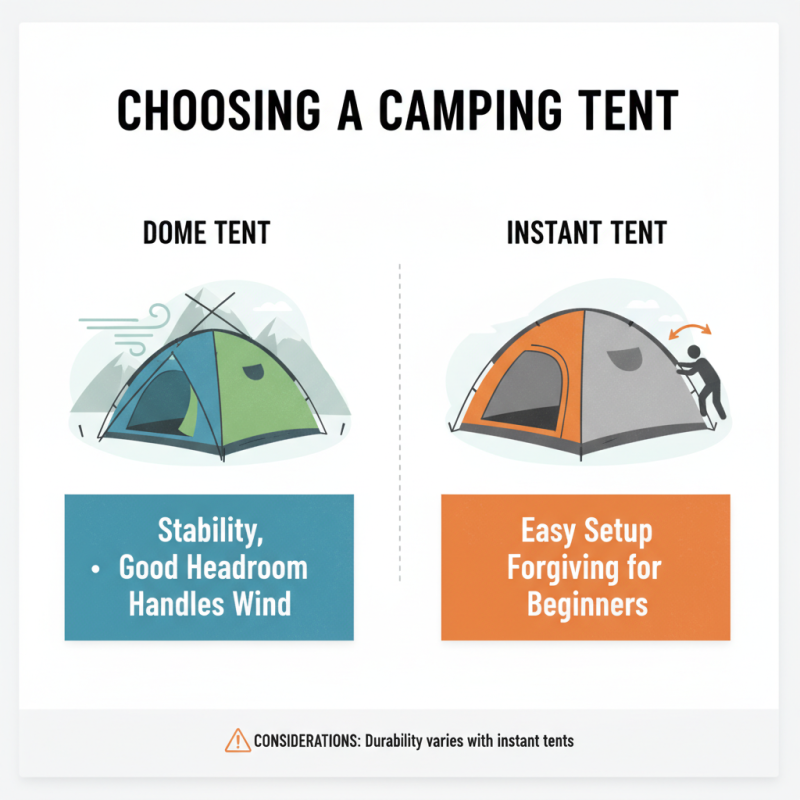
When choosing a camping tent, understanding the types available is crucial. Each style offers different benefits. Dome tents are popular for their stability. They can handle wind well and provide good headroom. Instant tents are easy to set up, making them perfect for beginners. However, they might lack durability.
Backpacking tents are lightweight and compact. These tents are designed for hikers. But they often sacrifice space and comfort. Cabin tents offer more room and vertical walls. They’re great for families but can be heavier. When selecting, consider your specific needs.
Some tents are better for specific weather conditions. Three-season tents work for spring, summer, and fall. They provide decent protection from rain and light snow. Four-season tents, on the other hand, are built for harsher climates. They’re sturdy but can be overkill for mild conditions. Think about where you'll be camping. Your choice will significantly affect your experience.
Key Features to Consider When Selecting a Tent
Choosing the right camping tent requires careful consideration of several key features. Start with the size. Think about how many people will sleep inside. A cramped space can ruin the experience. Also, assess the weight of the tent. If you’re hiking, a lighter option is preferable. Heavy tents can be burdensome, especially on longer treks.
Next, focus on the material. Look for durable fabrics, as they resist wear and tear. Waterproof options are critical for unexpected rain. Consider the setup process too. A tent that’s complicated to pitch can lead to frustration after a long day. Simple designs are often quicker to set up.
Ventilation is another essential factor. A well-ventilated tent helps avoid condensation forming inside. Test the tent before you buy it; this is often forgotten. An uncomfortable tent can significantly impact sleep quality. Reflect on your specific needs. Camping in winter differs from summer trips. Your chosen tent should suit those unique requirements.
Key Features to Consider When Selecting a Tent
Evaluating Size and Capacity for Your Group
When choosing a camping tent, size and capacity are crucial. Consider the number of people in your group. A tent labeled for four people may feel cramped. It's better to have extra space for gear and comfort. Think about your preferences. Do you like a bit of room to move around? A larger tent might be the right choice.
Tips: Always check the dimensions of the tent. Look at its floor area and peak height. This helps you envision the living space inside. A good tent should allow everyone to sit up comfortably. Remember, the quality of sleeping pads also affects space.
Consider the seasons you will camp. Warm weather might need less space, but winter camping requires extra room for gear. Reflect on your setup skills, too. A complex tent could lead to frustration. A simple design might be better if you're a beginner.
Tips: Practice setting up your tent at home. This saves time in the wild. And don’t forget about the weight. A heavier tent can be a burden for backpacking trips. Choose a balance between space and portability based on your adventure type.
How to Choose the Best Camping Tent for Your Adventures? - Evaluating Size and Capacity for Your Group
| Tent Size |
Capacity |
Weight (lbs) |
Setup Time (min) |
Weather Resistance |
| 2-Person |
1-2 People |
5 lbs |
5 min |
Both Rain & Wind |
| 4-Person |
3-4 People |
7 lbs |
10 min |
Rain-Resistant |
| 6-Person |
5-6 People |
12 lbs |
12 min |
Rain & Wind Resistant |
| 8-Person |
7-8 People |
15 lbs |
15 min |
Heavy Rain & Wind |
Setting a Budget: Balancing Quality and Cost
Setting a budget for a camping tent can be challenging. It's crucial to find a balance between quality and cost. According to the Outdoor Industry Association’s 2022 report,
45% of campers prioritize durability when choosing gear. Investing in a reliable tent often leads to better experiences. However, premium tents can cost over $500.
For casual campers, spending around $200 may suffice, especially for summer trips.
It's essential to consider what you need. A lightweight tent starts around $100, but may lack durability. A detailed analysis by the Camping Equipment Research Group indicates that tents priced between
$150 to $300 typically offer good comfort and weather resistance. Such options often include features like better waterproofing and enhanced materials, making your outdoor experience smoother.
Many budget tents are less reliable in severe weather. They may have faulty zippers or thin fabric. These issues could lead to discomfort or damage during trips. If you're not prepared to spend more, think about buying used tents.
They can offer excellent value, but inspect them carefully. Don't rely solely on brand reputation or glossy advertisements.
Do your research and reflect on what features matter most to you.