How to Choose the Best Outdoor Canopy Tent for Your Needs?
Choosing the best Outdoor Canopy Tent for your needs can be a daunting task. With so many options on the market, it’s easy to feel overwhelmed. "A great canopy should blend functionality with durability," says Jane Smith, an expert in outdoor equipment. Her insight captures the essence of selecting the right product for outdoor adventures.
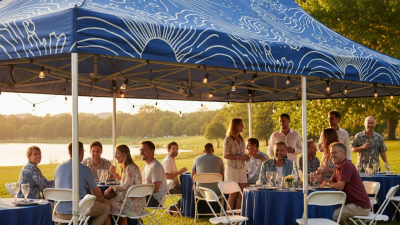
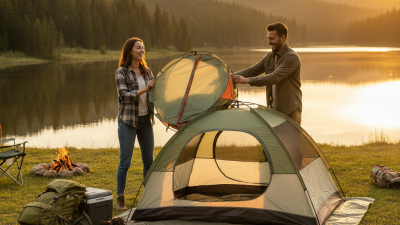
When considering an Outdoor Canopy Tent, you must prioritize your unique requirements. Are you hosting a backyard party or camping in the wilderness? Understanding your specific needs will help you narrow down your choices. The right tent should offer protection from the elements, yet be lightweight enough for easy transport.
Many users often regret not testing their tent before the big event. It’s crucial to evaluate not just the size but also the ease of setup. A tent may look appealing but can become a hassle in windy conditions. Paying attention to these details will save you time and stress. Remember, a good Outdoor Canopy Tent is not just a shelter; it should enhance your outdoor experience.
Types of Outdoor Canopy Tents and Their Uses
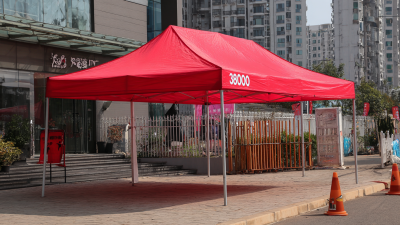
When selecting an outdoor canopy tent, it's crucial to explore the different types available. Each type serves unique purposes and environments. For instance, pop-up canopy tents are portable and easy to set up. They are perfect for beach trips and small gatherings. Typically, these tents can withstand light rain but may struggle in high winds. Approximately 70% of outdoor event organizers prefer pop-up canopies for their convenience.
Pole tents are another popular choice. They provide more space and stability. They are ideal for larger events, such as weddings or festivals. However, they require more time to set up and proper anchoring. This type of tent can withstand harsher weather conditions. Interestingly, data from recent industry reports suggests pole tents account for 25% of the market share in large outdoor events.
Frame tents offer versatility and additional space, making them effective for commercial use. These tents are not dependent on the ground for support. They can be set up on various surfaces, including asphalt or grass. However, they are typically more expensive. Statistics show that frame tents represent about 15% of outdoor canopy sales. Each type has strengths and weaknesses. Understanding your specific needs is vital to making an informed choice.
Key Features to Consider When Choosing a Canopy Tent
When selecting an outdoor canopy tent, several key features stand out. Size and capacity are crucial. Think about how many people will use it. A small gathering needs less space. However, larger events call for a bigger tent. The height of the tent also affects comfort. Taller tents allow for better ventilation and movement.
Material matters too. Look for durable, weather-resistant fabrics. They resist tearing and provide UV protection. Heavy-duty frames are essential for stability against strong winds. Lightweight options are easy to transport. However, they might lack sturdiness. Be mindful of your needs when choosing.
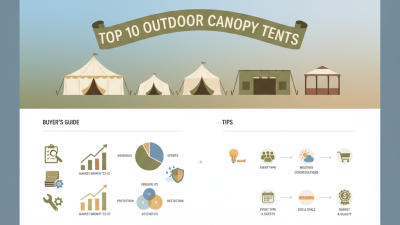
Tips: Consider ease of setup. Some tents come with simple pop-up mechanisms. These save time and effort. Additionally, weight plays a role. A lightweight tent can be a lifesaver during transportation. Finally, evaluate storage size when folded. It matters for transport. Perfection is often elusive; test out options before committing.
Key Features to Consider When Choosing a Canopy Tent
Factors Influencing the Size and Space Requirements
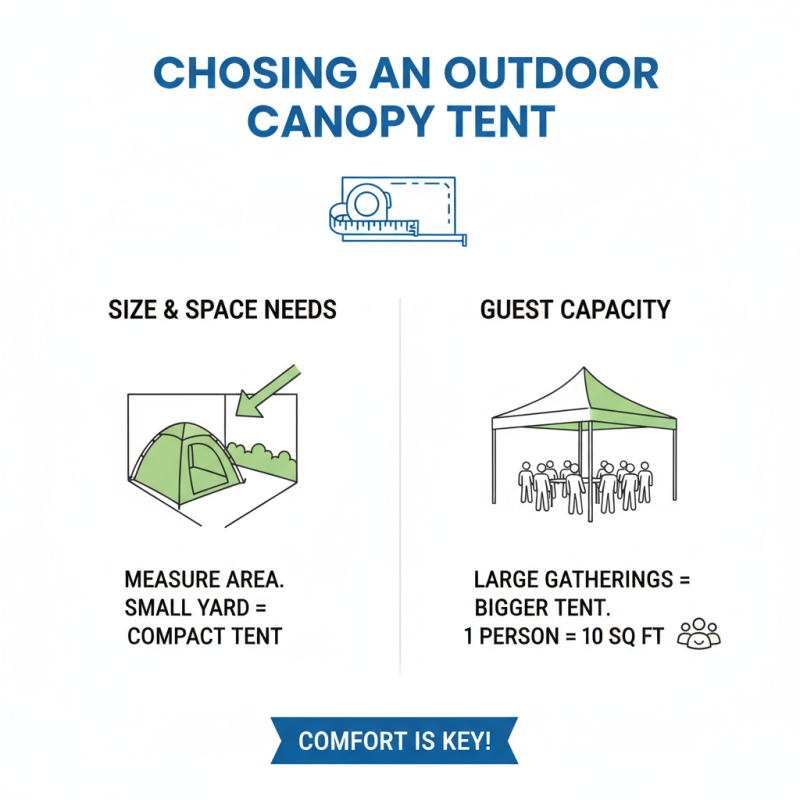
When choosing an outdoor canopy tent, consider your size and space needs. Start by measuring the area where you plan to set it up. A small backyard might only require a compact tent. For larger gatherings, a bigger structure may be necessary. Think of how many people will join you. Each person needs at least 10 square feet of space. This ensures everyone is comfortable.
Wind and weather also play a role. If you live in a windy area, a sturdy tent is vital. In contrast, if you’re mostly in calm weather, a lighter tent may suffice. Consider what activities you will host. A picnic requires less space than a full-blown event. Evaluate your equipment too. Tables and chairs need room to fit comfortably.
Reflect on your storage options as well. A larger tent can be cumbersome to store. Do you have room to spare? It's essential to weigh the costs of space against functionality. Finding that balance can be tricky but is worth the effort. Balancing quality with size is a common challenge. You may realize the perfect tent was too big or too small.
Material Durability and Weather Resistance of Canopy Tents
When selecting an outdoor canopy tent, material durability and weather resistance are key factors. A sturdy fabric can withstand the elements. Look for tents made of high-denier polyester or PVC. These materials offer better resistance to tearing and wear. However, some affordable tents use thinner fabrics that may not last long. Consider how often you plan to use the tent and in what conditions.
Weather resistance is also crucial. A canopy that can resist UV rays will protect you from the sun. Waterproof coatings help keep you dry during unexpected rain. However, not all waterproof tents manage moisture effectively. Some may develop leaks after a few uses. It’s important to check the reviews for real-life experiences.
Finally, remember that even durable materials have their limits. A lightweight tent works well for occasional outings but might struggle in high winds. Regular checks for wear and tear can extend the life of your tent. Finding the right balance between cost, durability, and functionality can be challenging, yet essential for your outdoor experiences.
How to Choose the Best Outdoor Canopy Tent for Your Needs? - Material Durability and Weather Resistance of Canopy Tents
| Material Type |
Durability Rating |
Weather Resistance |
UV Protection |
Water Resistance |
| Polyester |
Medium |
Good |
UPF 50+ |
Water Repellent |
| Polyethylene |
High |
Excellent |
UPF 30+ |
Fully Waterproof |
| Canvas |
Very High |
Good |
Natural UV Protection |
Water Resistant |
| Nylon |
Medium |
Fair |
UPF 15+ |
Not Waterproof |
| Vinyl |
High |
Excellent |
UPF 50+ |
Fully Waterproof |
Setting a Budget: Cost Considerations for Canopy Tents
When selecting an outdoor canopy tent, budget considerations play a crucial role. The price can range widely based on size, materials, and features. A basic pop-up tent might cost around $50, while larger, more durable models can exceed $500. Data from industry reports indicate that most consumers spend between $100 and $300. This range often balances quality and functionality, making it a popular choice.
Tips for your budget: Focus on the tent size that fits your needs. Think about how many people you need to accommodate. A 10x10-foot tent works for small gatherings, while larger events may need 20x20 feet or more.
Another consideration is the materials. Higher-quality fabrics can withstand weather better but also come at a price. A well-constructed canopy can last for years, whereas cheaper options may require replacement after one season. A study found that tents priced over $200 typically offer better longevity. Reflect on cost versus lifespan when shopping. Lesser-known brands may offer good options too, but do your research.