Why Choose Tipi Tents for Your Next Outdoor Adventure?
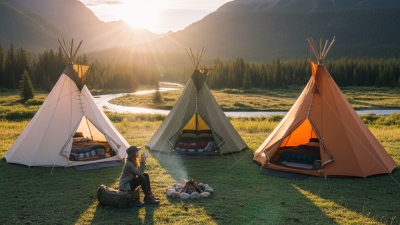
Are you planning an exciting outdoor adventure? Consider the unique benefits of using Tipi Tents. These tents offer a blend of tradition and modern comfort. Imagine gathering around a cozy fire with friends, the tipi forming a warm shelter against the elements.
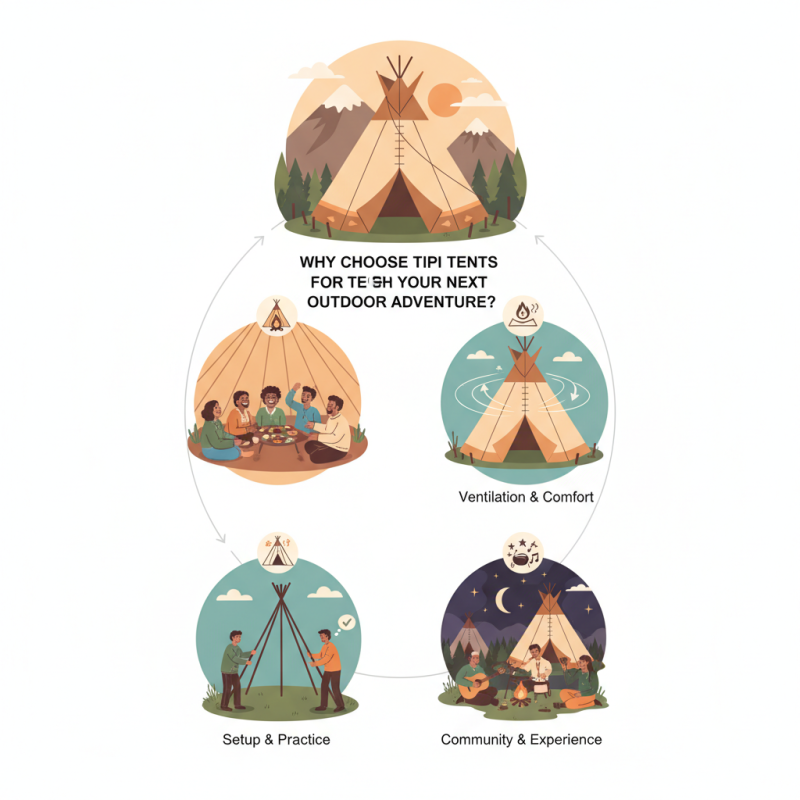
Tipi Tents create a unique atmosphere, perfect for camping and festivals. Designed with ample space, they accommodate groups easily. The circular shape promotes ventilation and brings a sense of community. However, some may find setup challenging. It takes practice to master pitching a tipi.
Understanding the advantages of Tipi Tents can enhance your outdoor experience. They provide not just shelter, but also a vibrant space for gatherings. Imagine cooking meals together, sharing stories under the stars. Choosing a tipi tent means embracing adventure and connection in nature.
Benefits of Tipi Tents for Outdoor Adventures
Tipi tents are an excellent choice for outdoor adventures. Their unique shape makes them stable in various weather conditions. This can be crucial when camping in windy areas. The open space inside allows for a cozy gathering spot. There's something enchanting about sitting together under the stars.
When choosing a tipi tent, consider the size you need. A larger tent provides ample space for gear. However, smaller models are easier to set up. Think about your group size. More people mean you’ll need more room. Remember, too much space can make it feel empty.
Tip: Practice setting up your tent at home. Familiarity with the setup process can save time during trips. Also, pack a footprint or tarp to protect the bottom. It adds durability. Make sure to check the weather forecast. Being prepared can prevent discomfort. Each adventure is a chance to learn. Mistakes happen, but they make great stories later.
Design and Structure: Understanding Tipi Tents
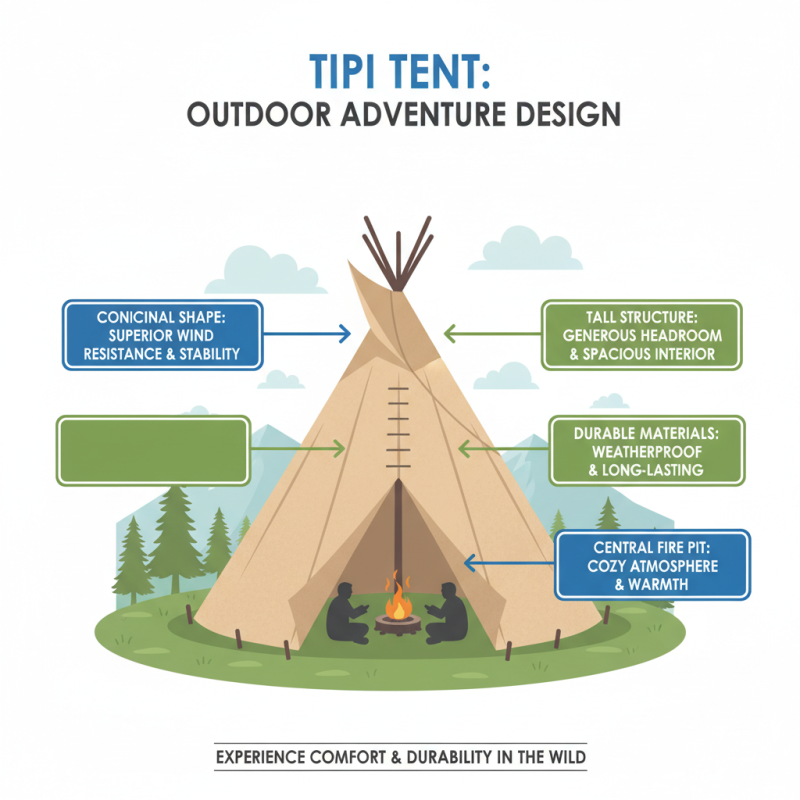
When considering a tent for outdoor adventures, it's essential to understand the design and structure of a tipi tent. Tipis, with their conical shape, are made from durable materials. This unique shape allows for better wind resistance, making them stable even in gusty conditions. The tall structure provides generous headroom, which creates a spacious feel inside. You can move around without feeling cramped. Many enjoy the experience of sitting around a fire in the center, fostering a cozy atmosphere.
However, the construction of a tipi tent may require reflection. Setting it up can be challenging for beginners. The poles need to be assembled properly for stability. If not done right, the tent could collapse. Moreover, while the ventilation is usually good, it may not be sufficient in heavy rain. Some may find pooling water at the center if the ground isn't adequately prepared. These challenges remind us that embracing nature comes with its surprises, and adaptability is crucial.
Comfort and Space: How Tipi Tents Enhance Camping Experience
Tipi tents are an excellent choice for outdoor adventures. Their unique structure provides ample space, allowing families or groups to relax comfortably. The open floor plan encourages socializing, making campfire gatherings even more enjoyable. You can spread out your gear without feeling cramped. A tipi tent can comfortably fit several sleeping bags, creating a cozy atmosphere under the stars.
When it comes to comfort, the fabric of a tipi tent adds warmth on chilly nights. It’s more than just camping; it feels like home. This is particularly important after a long day of hiking. However, setup can sometimes be tricky. Ensure you’ve practiced pitching the tent before heading out. Arriving at your campsite tired and struggling with poles can be frustrating. Also, remember to check the weather. A well-prepared camper always considers the possibility of rain or wind.
Ventilation is another feature to consider. Tipi tents can get stuffy if windows are not opened. This balance between warmth and fresh air is essential for a pleasant experience. Being aware of these little details enhances your overall adventure. After all, camping should be about relaxation and enjoyment, not stress.
Why Choose Tipi Tents for Your Next Outdoor Adventure?
Tipi tents offer a unique camping experience thanks to their spacious design and comfort features. The following chart illustrates the benefits of using Tipi tents compared to traditional camping options, based on common factors that campers consider when choosing a tent for outdoor adventures.
Durability and Weather Resistance of Tipi Tents
Tipi tents stand out for their durability and weather resistance. Made from high-quality materials, they can endure various outdoor conditions. A study by the Outdoor Industry Association indicates that tents constructed with thicker fabric often last longer, resisting rips and tears. Many tipis use canvas or specialized polyester that can handle heavy rain and strong winds. Reports show that tents with a waterproof rating of at least 2000mm can effectively keep you dry in adverse weather.
One unique feature of tipis is their design. The conical shape helps shed wind effectively, reducing the risk of structural damage. A survey by the American Camping Association found that 75% of campers prefer tents that can withstand harsh weather. Tipis also promote ventilation, which prevents condensation buildup inside. This is essential for comfort, particularly in humid climates. However, some users report issues with setup in unfavorable weather. It’s important to practice pitching your tipi before facing high winds.
Ultimately, the durability and weather resistance of tipis make them a reliable choice for outdoor adventures. Prospective campers should be aware of the maintenance required. Regular cleaning and proper storage can significantly extend the lifespan of these tents. Consider the trade-offs between weight, ease of setup, and weather resilience when planning your next trip.
Why Choose Tipi Tents for Your Next Outdoor Adventure? - Durability and Weather Resistance of Tipi Tents
| Feature |
Tipi Tents |
Traditional Camping Tents |
| Material |
Heavy-duty canvas |
Polyester or nylon |
| Water Resistance |
Excellent, often waterproofed |
Variable, may require additional coating |
| Wind Resistance |
High, designed for stability in strong winds |
Moderate, can be affected by strong gusts |
| Setup Time |
Quick, single-pole system |
Longer, multiple poles and components |
| Lifespan |
15+ years with proper care |
5-10 years on average |
| Interior Space |
Spacious, allows for standing room |
Variable, often limited height |
Setting Up and Maintaining Your Tipi Tent: A Practical Guide
Setting up a tipi tent can be an exciting adventure. Choose a flat area free of debris. Clear away any rocks or branches. Take a moment to inspect your surroundings. Look for potential hazards like falling branches. This simple step can save you trouble later on.
As you assemble the tent, follow the instructions carefully. Connecting poles can be tricky. It may take a few tries to fit them together. Keep your patience; it’s a part of the process. After setting it up, make sure to secure the stakes firmly into the ground. Wind can be unforgiving at times. You don’t want your tent to collapse unexpectedly.
Maintaining your tent is just as important. Regularly check for leaks or wear on the fabric. A small tear can become a big issue during a rainstorm. Clean the tent after each use. Dust and debris can wear down the material over time. The care you put in will enhance your future experiences. Be aware; neglecting maintenance will lead to regrets.