How to Choose the Best Outdoor Backpack for Your Adventure?
Choosing the best outdoor backpack can be a daunting task. With so many options available, it’s easy to feel overwhelmed. Each backpack has unique features and purposes. Understanding these details is crucial for any adventurer.
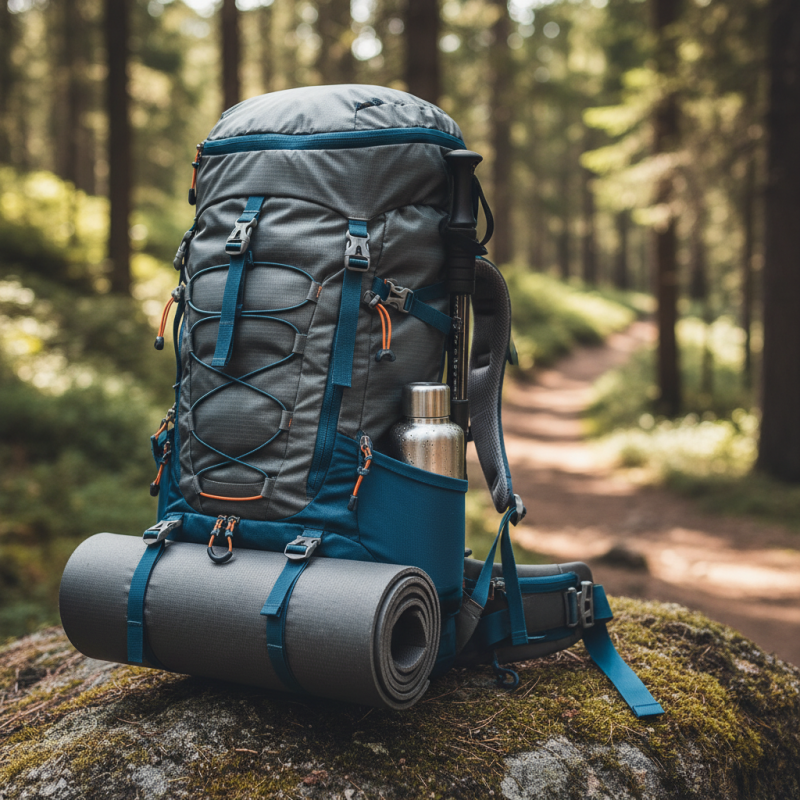
An outdoor backpack should fit comfortably and hold all necessary gear. Look for adjustable straps and breathable materials. A well-designed backpack enhances your experience in nature. Consider your activities. Will you hike, bike, or camp? Each adventure demands different features.
Think about the weight of the backpack. Heavier packs can cause fatigue. Lightweight materials are often durable. However, they may not offer enough protection. Find a balance that works for you. Don’t shy away from trying on different packs. A good fit is essential. Remember, your outdoor backpack can make or break your adventure. Plan wisely to enjoy every moment in the great outdoors.
Understanding Your Outdoor Adventure Needs
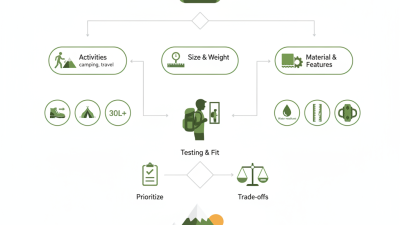
When choosing the best outdoor backpack, understanding your unique adventure needs is crucial. Think about the duration of your journey. A day hike requires a smaller pack, while a week-long camping trip needs more space. Consider the weather as well. If you’re hiking in rainy conditions, your backpack should be waterproof. This protects your gear and ensures a pleasant trip.
Next, assess your comfort requirements. Ensure the backpack fits your body well. It shouldn't cause discomfort during long treks. Adjustable straps and padded backs can provide additional support. Reflect on how much weight you can carry. Overpacking can lead to exhaustion. A well-organized backpack makes access easier. You should be able to grab essential items quickly.
Lastly, prioritize the features important for your activities. Do you need compartments for water bottles or gear? Think about unique elements that enhance your adventure. A good backpack can elevate your experience. Test out packs in stores when possible. Comfort is subjective. What feels good to one person may need adjustment for another. Take your time to find the perfect fit.
Key Features to Consider in an Outdoor Backpack
When choosing an outdoor backpack, consider its key features carefully. Comfort is crucial. Look for padded shoulder straps and a supportive hip belt. A good fit can make long hikes more enjoyable. Also, weight distribution is vital. A well-designed backpack helps you carry your gear without straining your back.
Tip: Try on different packs. Adjust the straps and load them with some weight. Walk around to feel how they sit on your body. This hands-on testing is essential. Do not overlook material quality. High-quality fabrics resist wear and tear. Waterproof options are especially beneficial for wet conditions.
Ventilation is important too. Look for mesh panels that promote airflow, preventing sweat buildup. However, lighter materials may compromise durability. Reflect on what matters most to you: weight, durability, or comfort. Balance your priorities based on your adventure type.
Tip: Consider storage options. Multiple pockets and compartments help organize gear efficiently. Think about ease of access and what items need quick retrieval. Preparation is key in outdoor activities. Every feature of your backpack can enhance your experience.
Selecting the Right Size and Capacity for Your Trip
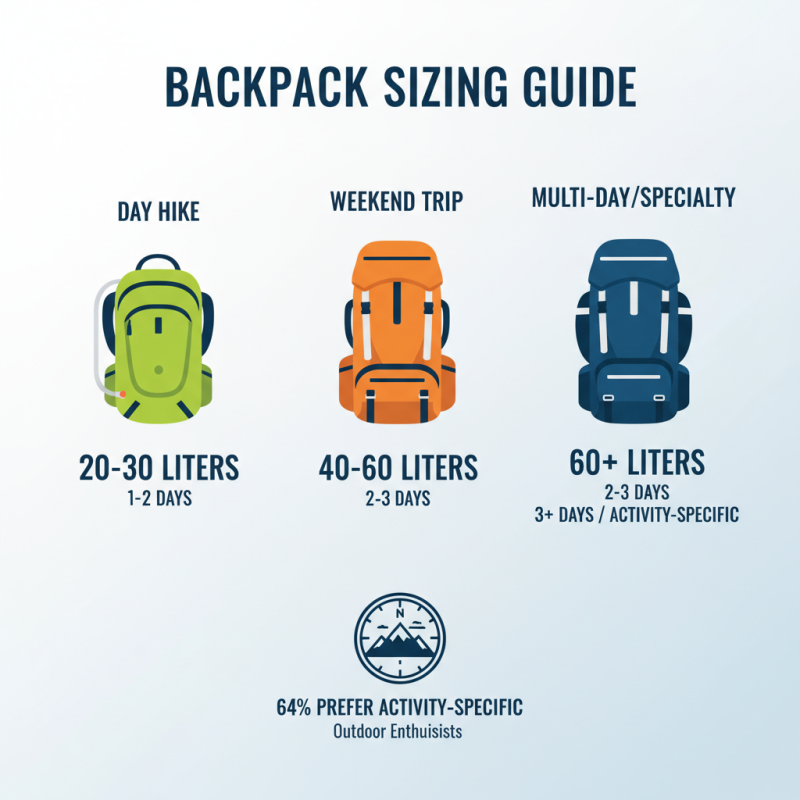
When selecting an outdoor backpack, size and capacity are vital. Most experts recommend a pack size based on the length of your trip. For day hikes, a backpack between 20 to 30 liters is often sufficient. In contrast, weekend trips generally require 40 to 60 liters. According to a report by the Outdoor Industry Association, 64% of outdoor enthusiasts prefer backpacks tailored to specific activities.
Understanding your gear is crucial. Lightweight tents, clothing, and packages may require different capacities than heavier alternatives. An average user's capacity needs can be estimated through trial and error. Many seasoned hikers find they overpack for initial trips. This may lead to unnecessary discomfort.
In addition, consider the weight distribution of the backpack. A well-designed bag can align with your body, enhancing stability. However, improper fit can lead to aches. It's essential to try the pack with similar weight to what you plan to carry. Reflection on past trips can illuminate your needs. Every adventure offers lessons in choosing the right gear.
Material and Durability: What You Should Know
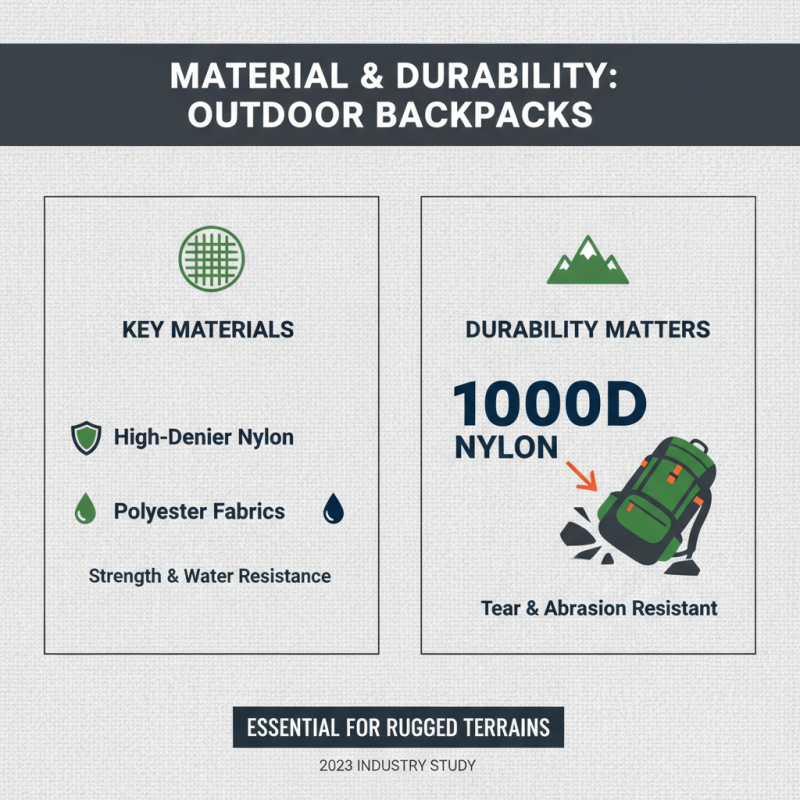
When selecting an outdoor backpack, the material and durability hold paramount importance. Reports indicate that high-denier nylon and polyester fabrics stand out for their strength and water resistance. A 2023 industry study highlighted that backpacks made with 1000D nylon offer significant resistance against tears and abrasions, an essential feature for rugged terrains.
Fabrics treated with durable water repellent (DWR) coatings enhance the backpack's performance in wet conditions, providing an extra layer of protection. However, it's crucial to note that these coatings can wear off over time, necessitating periodic reapplication. Surprisingly, 30% of users overlook this maintenance, leading to diminished waterproof qualities.
Additionally, stitching plays a vital role. Reinforced seams typically indicate better durability. But even the best stitching can fail under heavy load or rough use. Regular checks on wear and tear are often neglected, affecting the backpack's longevity. Opt for materials that not only promise durability but also fit comfortably and adapt to your adventure's demands.
Testing and Fitting Your Backpack for Optimal Comfort
When selecting an outdoor backpack, the fit is crucial for comfort. Badly fitting backpacks can cause discomfort and pain during your adventure. Start by adjusting the shoulder straps. They should snugly hold your shoulders without digging in. Many people overlook this step, leading to shoulder strain. Pay attention to your torso length as well. A pack that is too long or short can lead to an imbalanced carry.
Testing your backpack is essential. Load it with your typical gear before heading out. Walk around for some time to check how it feels. Do you experience pressure points? Adjust the load until the weight distributes evenly. Don’t hesitate to make further tweaks after a short hike. It's common to feel discomfort after hours on the trail. Evaluate the hip belt too. It should sit comfortably on your hips, transferring weight away from your shoulders.
Lastly, listen to your body. If something feels off, it probably is. Minor adjustments can make a world of difference. A well-fitted backpack enhances your overall experience. It allows you to focus on the journey rather than pain. Remember, comfort varies based on personal preference. Take the time to find a fit that truly feels right for you.