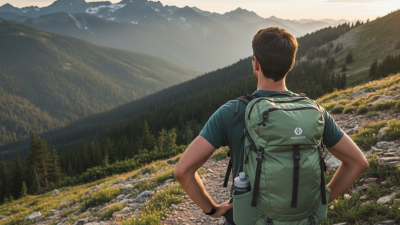
How to Choose the Best One Person Tent for Your Adventure?
Choosing the right One Person Tent can make or break your outdoor adventure. Renowned tent expert, David Miller, emphasizes, "A great tent is not just about weight; it’s about comfort and protection." When venturing into the wilderness alone, selecting the best tent is crucial for your experience.
One Person Tents vary widely in design and features. Some are ultralight for hiking, while others offer more space and durability. It's vital to consider your needs and the environment you'll be in. For instance, a more robust tent might be needed for stormy conditions, while a minimalist design may suffice for warmer climates. Think about where you'll be camping, too.
Finding the ideal One Person Tent involves careful reflection. Evaluate your priorities, like weight versus comfort. Sometimes, the "perfect" tent might not exist for everyone. Trial and error can lead to better choices down the road. A thoughtful approach ensures a rewarding solo adventure.
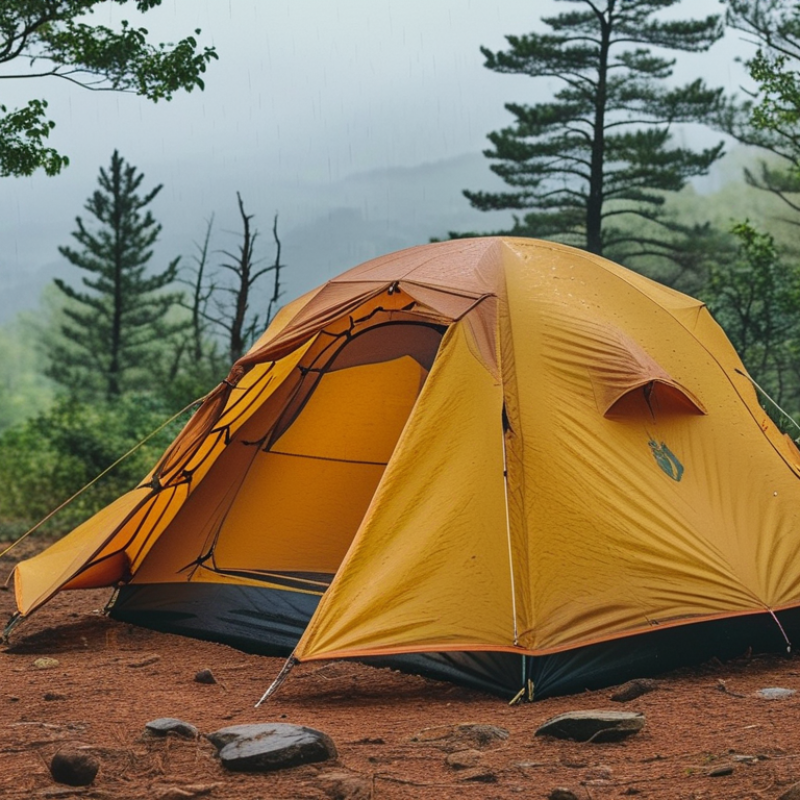
Understanding Your Camping Needs and Preferences
When considering the best one-person tent for your adventure, understanding your camping needs is crucial. The Outdoor Industry Association states that 47% of campers prioritize lightweight gear. If you're hiking long distances, a tent under 3 pounds is ideal. The ease of setup should not be overlooked, especially after a long day on the trail. Many campers report frustration with complicated poles and instructions.
Ventilation is another key factor. A 2022 report indicated that 30% of tent campers suffered from condensation issues. Choose tents with mesh panels to keep airflow steady. Think about the weather conditions you might face. If you expect rain, look for a tent with a high waterproof rating. A tent with a minimum rating of 1500 mm is recommended for waterproof protection.
Evaluate your personal preferences, too. Some like minimalistic designs, while others prefer extra space for gear. Consider how you plan to use your tent. Are you backpacking, or car camping? Reflect on your response to comfort versus weight. Remember, not every tent will fit all your needs perfectly, so keep an open mind to alternatives that might suit your adventures better.
Evaluating Tent Types: Freestanding vs. Non-Freestanding
When choosing a one-person tent, understanding the differences between freestanding and non-freestanding designs is crucial. Freestanding tents offer flexibility. They can be pitched on various surfaces without needing stakes. This feature is great for rocky terrains or hard ground where securing a tent might be challenging. You can quickly move them around to find the perfect camping spot.
On the other hand, non-freestanding tents often weigh less and pack smaller. These tents usually require stakes or guy lines for stability. Setting them up can be more challenging, especially in windy conditions. It demands skill and experience. You might find it tricky on uneven ground, leading to potential frustration. However, many serious backpackers favor non-freestanding tents for their lightweight design.
Ultimately, your adventure’s specific needs will dictate your choice. Consider the terrain, weather, and your personal camping style. A freestanding tent is convenient but heavier. The non-freestanding type is lighter but requires more effort to set up. Reflect on your priorities and choose accordingly.
Key Features to Consider: Weight, Durability, and Weather Resistance
When selecting the best one-person tent, focusing on key features like weight, durability, and weather resistance is crucial. Lightweight tents typically weigh between 2-4 pounds, making them easy to carry on long hikes. According to a 2022 industry report, 65% of outdoor enthusiasts prioritize tent weight when planning trips. A lighter tent enhances mobility and reduces fatigue, allowing you to enjoy your adventure more effectively.
Durability is another vital factor. Look for high-denier fabrics; they resist wear and tear. A tent's floor should be made of waterproof materials to ensure protection from ground moisture. A 2023 survey indicated that users prefer tents with a minimum of 1500 mm hydrostatic head rating for reliable waterproofing. However, being lightweight often means compromising on some sturdiness.
Weather resistance cannot be overlooked. A good tent should handle various conditions, from rain to wind. Features like good ventilation reduce condensation. Always check the rainfly and seam sealing to prevent leaks. It’s essential to test your tent in different weather conditions if possible.
Tip: Regularly inspect your tent for damage. Small tears can worsen over time. Always pack your tent carefully to avoid unnecessary wear and tear.
Setting a Budget: How Much Should You Spend on a One Person Tent?
When considering a one-person tent, setting a budget is critical. Prices vary significantly based on features and quality. You might find a basic option for about $50, while high-end tents can exceed $500. It’s essential to define your needs. Are you camping in summer heat or winter cold? Each scenario requires different materials and designs, impacting the cost.
Many good tents fall in the $100 to $300 range. This price balance enables you to access quality without breaking the bank. Look for tents with durable fabrics and efficient weatherproofing. Still, remember that not all expensive tents guarantee satisfaction. Sometimes, lower-cost options work perfectly for simple camping trips.
Reflect on your adventure style. If you rarely camp, you might not need to spend a lot. Conversely, frequent campers may justify a higher investment. Read reviews and ask fellow campers for opinions. This insight can lead to better decisions. Remember, it’s not just about the price tag but the value it brings to your experience.
How to Choose the Best One Person Tent for Your Adventure?
This chart displays a breakdown of recommended budget ranges for one-person tents, illustrating how much you might expect to spend based on different quality and features.
Reading Reviews and Ratings: Making an Informed Decision
When embarking on an outdoor adventure, a one-person tent can be an essential companion. To ensure your choice is the best one, reading reviews and ratings can provide valuable insights. Look for feedback from other campers who have tested the tent in various conditions. Pay attention to details like durability, waterproofing, and weight. A tent that withstands wind and rain shows reliability.
Tips: Consider tents with high ratings in weather resistance. Look for user experiences about setup time. A faster pitch can save you frustration. Additionally, check the tent's weight, especially if you'll carry it for long hikes. Lightweight tents can improve your overall journey.
It’s also important to reflect on what you need. A tent's size may affect your comfort. Some users find a snug tent cozy, while others feel claustrophobic. Consider how you plan to use it. Do you need extra space for gear? Understanding your priorities leads to better choices. A well-chosen tent can enhance your outdoor experience significantly.