China Top 10 Pop Up Tent Suppliers for Global Buyers
Choosing a reliable Pop Up Tent supplier requires more than comparing prices or browsing attractive product photos. Global buyers must examine frame strength, fabric weight, waterproofing, printing quality, packaging, and after-sales support. A tent may look impressive indoors, yet fail under sudden wind or repeated folding. That difference matters at exhibitions, sports events, markets, and emergency community gatherings.
Mia Chen, a product development consultant with over fifteen years of outdoor equipment experience, says, “A dependable tent is judged by what happens after the hundredth setup, not the first display.” Her observation offers a practical standard for this ranking. The selected companies are considered through factory capability, material consistency, customization options, export experience, quality inspection, and delivery performance. Buyers should still request samples. No supplier wins every test.
This guide, China Top 10 Pop Up Tent Suppliers for Global Buyers, is designed for importers, distributors, event agencies, and promotional-product companies. It highlights manufacturers that can support different budgets and order sizes, from compact branded shelters to larger commercial structures. Details such as aluminum thickness, seam treatment, canopy density, spare-parts availability, and carton protection deserve close attention. Small omissions can become expensive problems later.
The ranking is useful, but not flawless. Supplier performance can change with new equipment, staff, or raw-material costs. Buyers should verify current certifications, production schedules, and trade terms before placing an order. A factory visit is valuable when practical. Clear communication remains essential. A strong supplier should answer difficult questions directly, not hide behind polished images.
What Defines a Reliable Pop-Up Tent Supplier in China
China Top 10 Pop Up Tent Suppliers for Global Buyers
What Defines a Reliable Pop-Up Tent Supplier in China
A reliable pop-up tent supplier proves capability through repeatable work, not polished photos. During supplier evaluations, I inspect frame joints, fabric edges, stitching, and printed surfaces. The sample should open smoothly and lock without excessive force. Small details matter. A supplier should explain fabric weight, coating, tube thickness, and expected service life in clear language. Vague answers often signal weak process control.
Production consistency is equally important. Ask for photos from cutting, sewing, assembly, and packaging stages. A dependable factory uses inspection records, measurement tools, and defined quality checkpoints. It should test frame stability, water resistance, color consistency, and carton strength. Batch samples should match the approved reference. A low quotation can hide thinner fabric or weaker connectors. That risk is easy to miss.
Communication reveals operational maturity. The supplier should confirm drawings, dimensions, accessories, lead times, and packaging before production. It should also report delays instead of hiding them. Documentation, testing evidence, and export experience support credibility, but paperwork is not proof. I would still request a pre-shipment inspection. Even capable suppliers make mistakes, especially with urgent custom orders. That uncomfortable possibility deserves attention. A strong supplier accepts correction, records the cause, and improves the next batch.
China’s Top 10 Pop-Up Tent Suppliers for International Buyers
China’s top 10 pop-up tent suppliers for international buyers serve retailers, event companies, outdoor distributors, and custom project purchasers. Their product ranges often include instant canopies, folding shelters, sidewalls, printed roofs, and wheeled carrying bags. Buyers should compare more than catalog photos. Frame thickness, fabric weight, stitching quality, and replacement-part availability affect long-term value.
Experienced sourcing teams usually request samples before placing volume orders. A practical sample check includes opening the tent repeatedly, inspecting corner joints, and testing the roof after light rain. Details matter. Ask for material specifications, production photos, packaging dimensions, and realistic lead times. Suppliers with documented quality procedures and responsive English communication are easier to manage across borders.
International buyers should also verify labeling, safety expectations, import documents, and destination-market requirements independently. Factory audits or third-party inspections can reveal inconsistent welding, weak seams, or inaccurate measurements. Not every low quotation is efficient. A cheaper frame may create higher replacement costs later. I would also question unusually fast promises, because production schedules can change during peak seasons. Even careful evaluations have limits, especially when inspection access is limited. Suppliers that explain these risks openly often appear more reliable than those offering perfect answers.
Product Ranges, Customization Options, and Manufacturing Capabilities
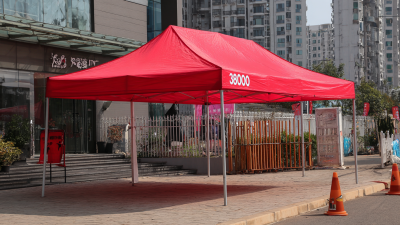
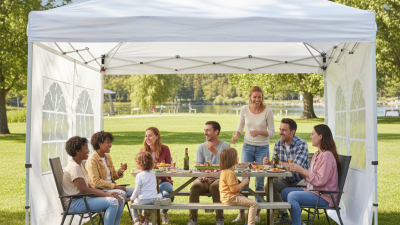
For global buyers, China’s top ten pop up tent suppliers show wide product coverage. Their ranges include instant canopies, folding gazebos, market stalls, beach shelters, and event tents. Common sizes run from compact 1.5-meter frames to large 6-by-6-meter structures. Buyers can select steel or aluminum frames, waterproof polyester roofs, sidewalls, roller bags, and weighted bases. Some suppliers support printed logos, full-color roof graphics, custom valances, and branded packaging. Color matching is usually available, but exact shades should be checked against a physical sample.
Customization depends on production equipment, not just a sales catalog. Experienced factories use cutting tables, heat-sealing machines, digital printers, and load-testing fixtures. They can adjust roof geometry, frame thickness, connector design, and carry-case dimensions. For repeated orders, approved drawings and preproduction samples reduce costly misunderstandings. Ask for fabric weight, hydrostatic pressure data, UV performance, carton details, and spare-part lists. A serious supplier should explain inspection points from incoming fabric to final folding. That evidence matters.
Manufacturing capability also affects lead time and consistency. A factory with in-house sewing and printing may coordinate revisions faster. However, in-house claims still need verification through workshop photos, sample checks, or a live audit. Request monthly production capacity, order minimums, sample timing, and peak-season plans. Some suppliers communicate well at quotation stage, then weaken during mass production. That risk is easy to overlook. I would test one complete sample before approving a large shipment. It may feel slower, but a bent frame or leaking seam costs more later.
Quality Standards, Pricing Factors, and Minimum Order Requirements
China Top 10 Pop Up Tent Suppliers for Global Buyers
When comparing China’s leading pop up tent suppliers, quality standards deserve more attention than catalog photos. Experienced buyers should request fabric specifications, frame materials, seam construction, and packed-product measurements. A 300D or 600D polyester canopy may suit different weather and budget requirements. Ask for water-resistance test details, UV performance, and colorfastness records. For some markets, flame-retardant documentation is also necessary. Requirements vary by destination. Do not assume one certificate covers every country.
Pricing depends on more than the tent itself. Fabric weight, aluminum or steel frames, digital printing, carrying cases, cartons, accessories, and inspection costs all affect the quotation. Freight changes the final landed price quickly, especially for bulky cartons. Request a detailed cost sheet with tooling and packaging listed separately. A low unit price can hide weak stitching or expensive replacement parts. I once focused too heavily on the sample price and underestimated shipping volume. That was a useful mistake.
Minimum order requirements should be discussed before artwork approval. Stock colors may allow smaller orders, sometimes from a few units or cartons. Custom printing often requires higher quantities, commonly around 50 to 100 pieces, but supplier policies differ. Confirm whether the MOQ applies per design, color, size, or total order. Ask about sample charges, production lead time, spare parts, and inspection before balance payment. One pre-production sample helps, but it cannot reveal every long-term failure. Regular quality checks remain necessary.
How Global Buyers Can Evaluate and Source from Chinese Suppliers
China’s large manufacturing base makes it a practical sourcing market for pop-up tents. The WTO reported that China supplied 14.2% of global merchandise exports in 2023. However, export scale does not guarantee product consistency. Buyers should compare suppliers through HS 6306 trade records, factory audits, and recent production samples.
Evaluate frame steel thickness, fabric denier, seam strength, coating, packed dimensions, and replacement-part availability. Request test reports for fire performance, wind resistance, and waterproofing. Requirements differ by destination, so local compliance checks remain essential. The World Bank’s 2023 Logistics Performance Index ranked China 19th globally, with a score of 3.7. This supports efficient shipping, but port delays and inspection issues can still affect delivery plans.
Tips: Ask for a sample before negotiating volume. Check whether the sample matches mass production. Confirm carton drop-test results, loading photos, lead time, payment stages, and inspection rights in writing. A low quotation may hide thinner tubing or weaker joints. That mistake is expensive. Buyers should also calculate landed cost, including tooling, freight, duties, storage, and possible rework. I would not rely on polished factory photos alone. A video call helps, but an independent inspection is more reliable. Supplier evaluation is not perfect; even strong records need regular review.