What is the Best Trekking Bag for Your Next Adventure?
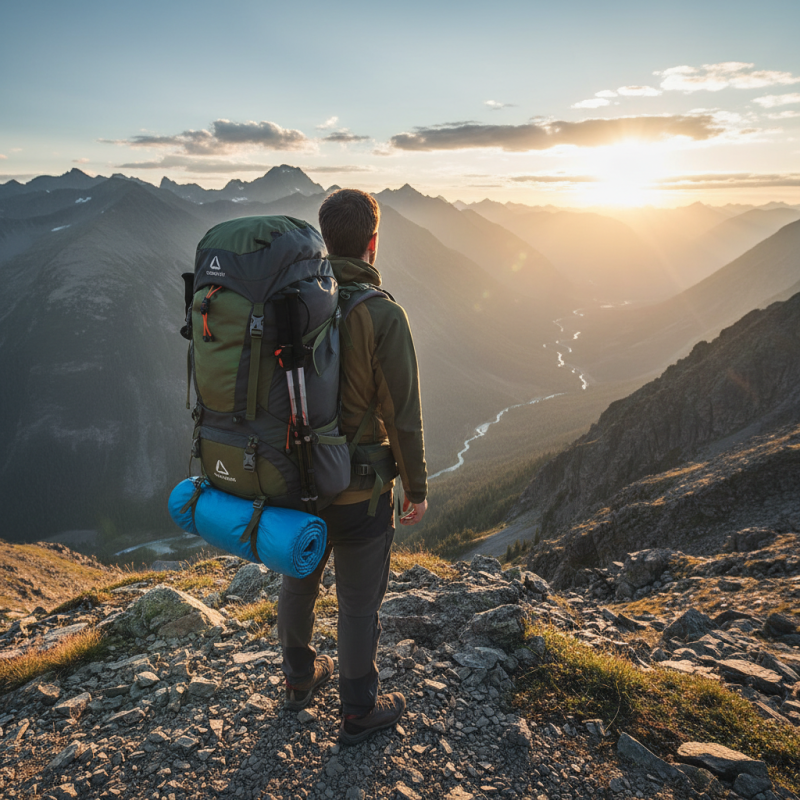
Choosing the right trekking bag can transform your adventure. A well-suited bag offers comfort and ease. Your journey is often defined by the gear you select.
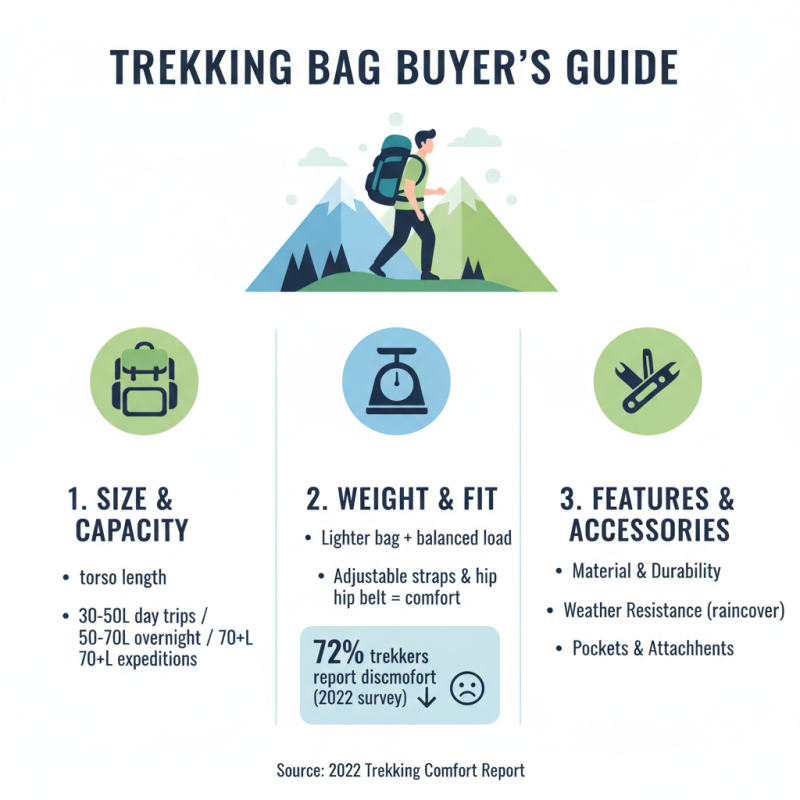
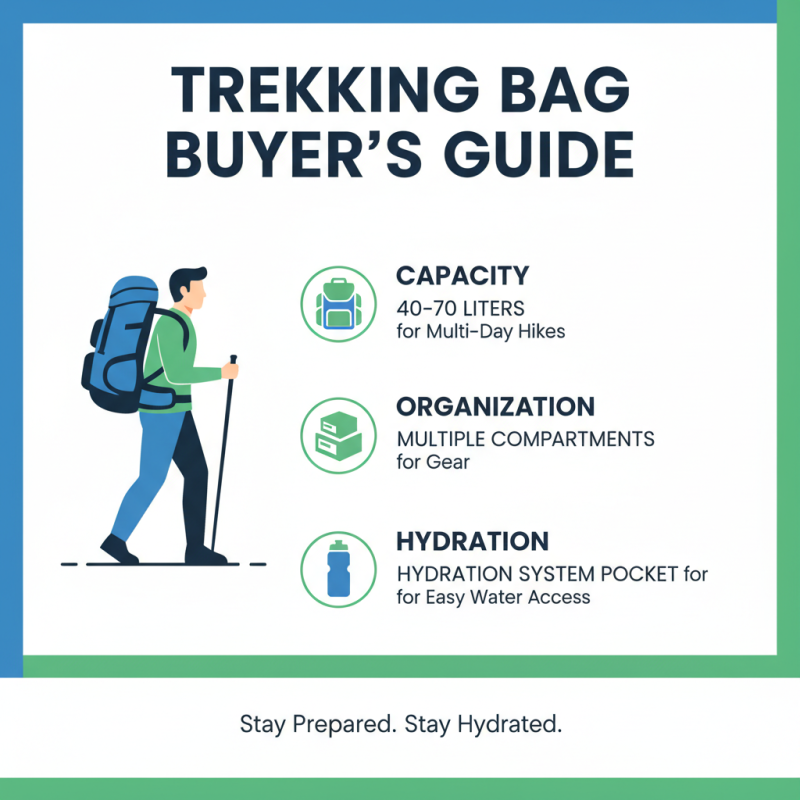
What makes a trekking bag ideal? Look for size, weight, and features. A comfortable suspension system is essential. It should fit snugly and support your back. Many bags come with multiple compartments. This helps organize gear effectively. A waterproof cover is also a useful feature.
Not every trekking bag fits everyone. Some bags may feel too large or too heavy. Others may lack the pockets you need. Pay attention to your personal preferences. Reflect on what works best for your style. Your trekking bag should feel like an extension of you. Small details can make a significant difference in your experience.
Understanding the Importance of Choosing the Right Trekking Bag
Choosing the right trekking bag is crucial for any adventure. A well-fitted bag can make a difference in comfort and efficiency. According to a 2022 report, 72% of trekkers experienced discomfort due to inadequate backpack selection. This highlights the importance of considering the bag's size, weight, and features.
A trekking bag that weighs too much can lead to fatigue. The ideal weight for a trekking bag should not exceed 15% of your body weight. Many trekkers often overlook this aspect. They end up carrying more than necessary. Features such as adjustable straps and ventilation systems can enhance the overall experience. A bag without proper ventilation can cause excessive sweating, leading to discomfort.
Additionally, consider the materials used in the bag. A waterproof or resistant fabric can protect your gear in adverse weather. A study found that 68% of trekkers faced gear damage due to poor bag quality. This often results in unexpected costs. However, finding a balance between price and quality can be challenging. Many options exist, but it's essential to research. Choose wisely, as your trekking bag can greatly impact your journey.
Different Types of Trekking Bags and Their Uses
When it comes to trekking bags, choosing the right type is crucial. There are several types to consider. Daypacks are great for short hikes. They are lightweight and usually carry just the essentials. A good daypack can hold water, snacks, and a first-aid kit.
For longer expeditions, look into larger backpacks. These bags typically offer more space and feature multiple compartments. They help organize gear efficiently. However, they can feel bulky. It's essential to ensure they fit well. Ill-fitting bags can cause discomfort on the trail.
Lastly, specialized trekking bags exist for unique adventures. Hydration packs, for instance, offer convenient water storage. These can be helpful during hot summer treks. Some bags come with extra attachments for trekking poles. This adds versatility. Always consider what you might need on the trail. Think about your actual gear. Not every bag suits every adventure. Reflect on past trips to find what worked and what didn’t.
What is the Best Trekking Bag for Your Next Adventure?
This chart illustrates the weight capacities of different types of trekking bags suitable for various adventure lengths, helping you determine the best type of bag for your next outdoor excursion.
How to Properly Fit a Trekking Bag for Comfort
When choosing a trekking bag, fit is key. A well-fitted bag ensures comfort on long hikes. Start by adjusting the shoulder straps. They should sit snugly but not pinch. The weight should rest on your hips, not your shoulders. This balance is crucial for preventing discomfort.
Tips: To find the right size, try on bags with some weight inside. Walk around and see how it feels. Adjust and readjust until it feels just right.
Next, pay attention to the waist belt. It should fit firmly around your hips. This transfers the bag's weight away from your back. A loose belt can cause the bag to shift. This leads to irritation and fatigue. Remember to try different styles. Not all designs work for every body type.
Tips: Consider how you’ll pack your gear. Test with your essential items. If the bag feels off balance, it might not be the right choice. Don't hesitate to refine your selections until you find your perfect fit.
What is the Best Trekking Bag for Your Next Adventure? - How to Properly Fit a Trekking Bag for Comfort
| Feature |
Description |
Size Range |
Weight |
Price Range |
| Volume Capacity |
Ideal for carrying all essentials |
30L - 60L |
1.5 kg - 2.5 kg |
$100 - $300 |
| Frame Type |
Internal or external frames for support |
Fits most body sizes |
1 kg - 3 kg |
$80 - $250 |
| Hydration System |
Compatibility for hydration bladders |
N/A |
N/A |
$30 - $70 |
| Adjustability |
Adjustable straps for a custom fit |
One size fits most |
N/A |
$50 - $200 |
| Durability |
Tear-resistant and weatherproof materials |
N/A |
N/A |
$70 - $250 |
Caring for Your Trekking Bag to Ensure Longevity
Caring for your trekking bag is essential for its longevity. A little effort goes a long way. After each trip, inspect the bag for dirt or debris. Use a soft brush to remove any stains. Sometimes, a simple wipe won’t suffice. A thorough cleaning may be necessary, but make sure to check the manufacturer’s guidelines first.
Store your trekking bag in a cool, dry place. Avoid cramped spaces where it might lose shape. It is worth considering using storage bags with breathable materials. However, don’t overstuff the bag, as this can cause unwanted wear. Take a moment to reflect on how storing incorrectly can lead to damage over time.
Eventually, all trekking bags may need repairs. Check the zippers and seams regularly. A small tear can grow into a bigger problem. Don’t hesitate to patch small holes before they worsen. By being mindful of how you care for your bag, you can extend its life. It’s the small details that make a difference.