10 Best Good Sleeping Bags for Your Next Camping Adventure?
When planning your next camping adventure, choosing the right gear is crucial. One of the most important items is a good sleeping bag. According to industry reports, over 30% of campers claim they don’t sleep well during trips due to inadequate sleeping gear. A quality sleeping bag can significantly enhance comfort and ensure a restorative night's sleep.
Good sleeping bags come in various shapes, sizes, and temperature ratings. The market offers options for backpackers, families, and casual campers alike. It's essential to consider your specific needs. A lightweight bag may be ideal for hikers, while a spacious, insulated bag suits family camping well. Yet, many find themselves overwhelmed by choices and end up settling for less.
Nevertheless, not everyone prioritizes high-quality gear. A surprising 25% of campers tend to compromise on sleeping bags to save money. This mistake can lead to discomfort and fatigue during trips. Remember, investing in a good sleeping bag is investing in your overall camping experience.
Choosing the Right Sleeping Bag for Your Camping Needs
Choosing the right sleeping bag for your camping needs is essential for a good night’s sleep. Temperature ratings are a key factor. A 2016 report by the Outdoor Industry Association highlights that 70% of campers prioritize warmth in their sleeping gear. Look for bags rated for low temperatures if you're camping in colder climates.
Weight and packability also matter. An average adult carries about 10-15% of their body weight in gear. For long hikes, a lightweight bag is crucial. A compact design can save space in your backpack. Many bags now feature synthetic insulation options, which dry quickly and are often cheaper. However, down bags offer better warmth-to-weight ratios.
Don’t forget about the fit. A cramped sleeping bag can lead to discomfort. Many users report a better experience in a wider design, especially for side sleepers. That said, oversized bags may not retain heat effectively. Reflecting on personal comfort preferences can help prevent sleepless nights in nature.
Types of Sleeping Bags: Understanding Different Styles and Insulation
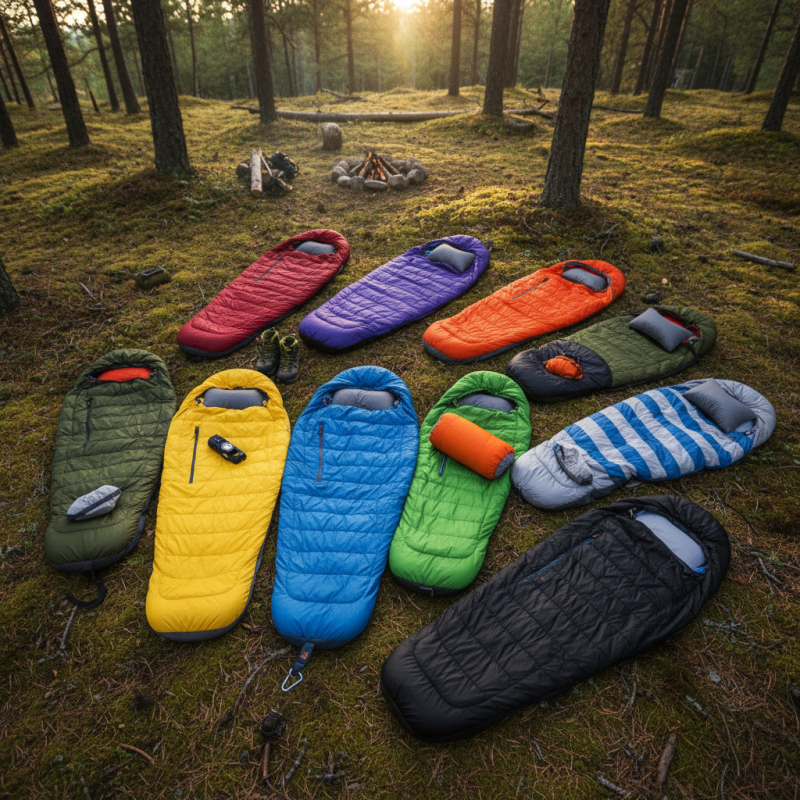
When it comes to camping, choosing the right sleeping bag is crucial. Different types cater to various needs and conditions. Sleeping bags generally fall into three main types: rectangular, mummy, and semi-rectangular. Rectangular bags offer spacious comfort but can be bulkier. Mummy bags, on the other hand, provide better thermal efficiency for cold climates.
Insulation is another critical aspect. Down insulation is lightweight and compressible, making it excellent for backpacking. Synthetic insulation, while heavier, dries faster and performs better in wet conditions. According to a 2022 Consumer Reports study, about 75% of campers prefer synthetic insulation for its durability. However, down’s warmth-to-weight ratio remains unbeatable, especially for winter trips.
Temperature ratings also matter. A bag rated for 20°F may not keep you warm in extreme conditions. It's essential to check if the bag fits your body type. A poorly fitting sleeping bag can lead to cold spots. Interestingly, many campers overlook proper testing before a trip. About 40% of users reported discomfort due to size mismatches. Understanding these factors can significantly enhance your outdoor comfort.
Key Features to Consider When Selecting a Sleeping Bag
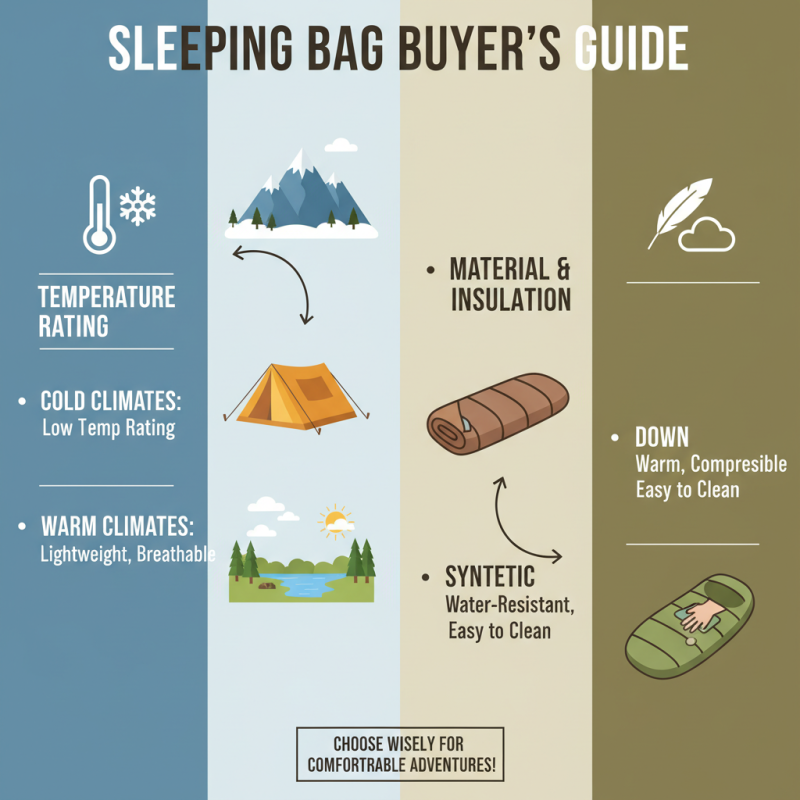
When selecting a sleeping bag, temperature rating is crucial. Consider your camping destination. Are you going somewhere cold or warm? A bag rated for lower temperatures is vital for chilly nights. Conversely, a lightweight, breathable bag is ideal for summer trips. Check the material and insulation type as well. Down insulation is warm and compressible, while synthetic is water-resistant and easy to clean.
Size and weight matter too. A compact, lightweight bag is convenient for hiking. Look for bags that fit snugly without feeling restrictive. Some designs even offer extra space for gear. Lastly, pay attention to features like hoods and draft collars. These can significantly improve warmth. Sometimes, though, it’s easy to overlook such features. Understand that not every bag will meet your needs perfectly. Each camping trip is unique, and it can be a learning experience.
Top 10 Recommended Sleeping Bags for Comfort and Warmth
When planning a camping adventure, choosing the right sleeping bag significantly impacts your comfort. A well-insulated bag can keep you warm during chilly nights. Look for bags with high-quality materials that provide excellent thermal efficiency. They should protect against moisture too.
Consider the size and weight of your sleeping bag. Backpackers need lightweight options that compress easily. Families may prefer bulkier bags to accommodate more space. Test different shapes, like mummy or rectangular, to find what best fits your sleeping style.
Remember, comfort is subjective. Some might prefer a snug fit, while others enjoy a looser feel. Don't forget to think about zippers and extra features like pockets. It’s easy to get caught up in specifications. Take time to evaluate how each bag feels in practice. Balancing warmth, comfort, and convenience is crucial for an enjoyable camping experience.
10 Best Good Sleeping Bags for Your Next Camping Adventure
| Sleeping Bag Model |
Temperature Rating (°F) |
Weight (lbs) |
Insulation Type |
Best For |
| Model A |
20 |
3.0 |
Synthetic |
Family Camping |
| Model B |
10 |
2.5 |
Down |
Cold Weather |
| Model C |
30 |
3.5 |
Synthetic |
Summer Trips |
| Model D |
25 |
4.0 |
Down |
Backpacking |
| Model E |
15 |
3.2 |
Synthetic |
Versatile Use |
| Model F |
5 |
2.0 |
Down |
Warm Climates |
| Model G |
20 |
3.6 |
Synthetic |
Hiking |
| Model H |
10 |
4.2 |
Down |
Cold Climate |
| Model I |
35 |
3.8 |
Synthetic |
Family Camping |
| Model J |
15 |
3.0 |
Down |
Backpacking |
Maintaining and Caring for Your Sleeping Bag for Longevity
When it comes to caring for your sleeping bag, proper maintenance is crucial for longevity. Begin by checking the bag for dirt or stains after each trip. A quick wipe can help avoid deep cleaning later. If your sleeping bag is machine washable, follow the care instructions closely. Use a front-loading machine if possible. Avoid using fabric softeners, as they can damage the insulation.
Storage is equally important. Always store your sleeping bag loosely in a cool, dry place. Avoid compressing it for long periods. This can damage the loft and reduce warmth. Using a cotton or mesh storage sack helps maintain its shape.
Tips:
- Dry your sleeping bag completely after washing to prevent mold.
- Regularly inspect for tears or broken zippers. Small repairs can extend its life.
- Keep your bag away from sharp objects during adventures. This helps prevent unexpected damage.
Proper care can make a significant difference. Sometimes, people neglect these simple steps. Reflecting on our habits can lead to better experiences in the great outdoors.