Best Outdoor Backpacks for Hiking and Travel What to Choose?
Choosing the right outdoor backpack can be daunting. With so many options available, finding the perfect fit is crucial. An outdoor backpack should cater to your specific needs while providing comfort and durability.
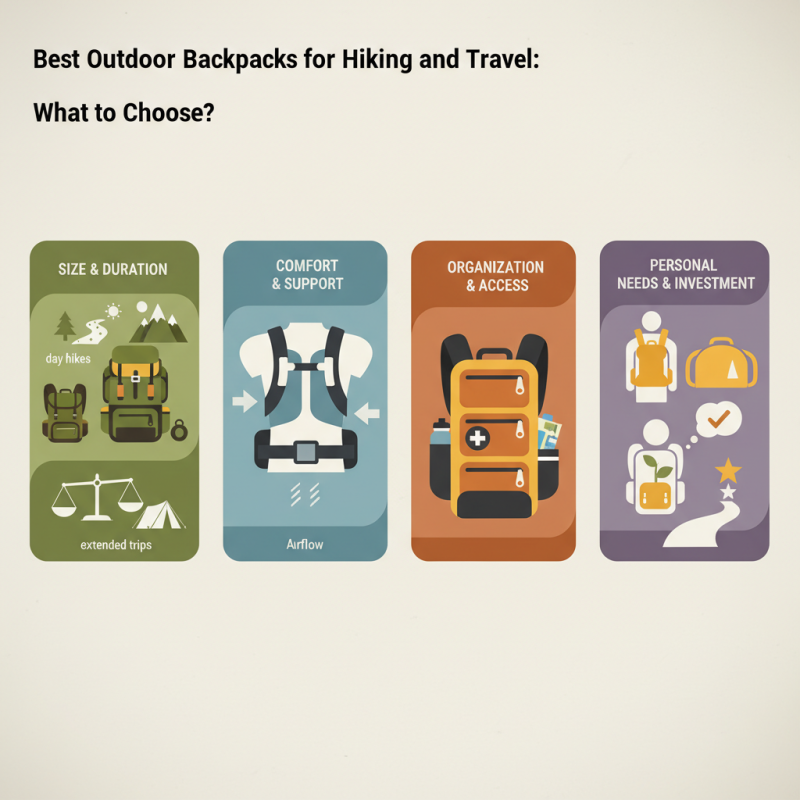
Think about the size you need for your adventures. Some prefer smaller packs for day hikes, while others require larger options for extended trips. Remember that weight matters; a heavier pack can cause discomfort over time. Check for padded straps and back support. Look for various compartments that can help organize gear efficiently.
It's easy to feel overwhelmed by choices. You may find it hard to balance style with functionality. Reflect on your personal needs. An outdoor backpack is an investment in your adventures. Make sure it feels right when you wear it. While there are standout options, each carry a unique blend of benefits and drawbacks. Take your time to explore what works for you.
Types of Outdoor Backpacks: A Comprehensive Overview
When choosing an outdoor backpack, it’s essential to understand the different types available. Daypacks are suitable for short hikes. They are compact and lightweight, perfect for carrying essentials. Many have hydration reservoirs, making it easy to stay hydrated on the go. However, they may lack enough space for extra gear.
For longer trips, you might consider a multi-day backpack. These packs often come with larger capacities and additional compartments. They allow you to organize your gear efficiently. But larger sizes can be cumbersome and heavy when fully loaded. Balancing comfort with space can be challenging. You might find yourself overpacking, leading to discomfort during your hike.
Technical backpacks are designed for specific activities, like climbing or skiing. They often include gear loops and reinforced areas for durable use. These specialized features can be beneficial but can also make the pack less versatile. Investing in such a backpack means committing to one activity. It’s worth reflecting on how often you will use it. Finding the right balance can enhance your outdoor experiences.
Selecting the Right Backpack Size for Your Needs
When selecting a backpack for hiking or travel,
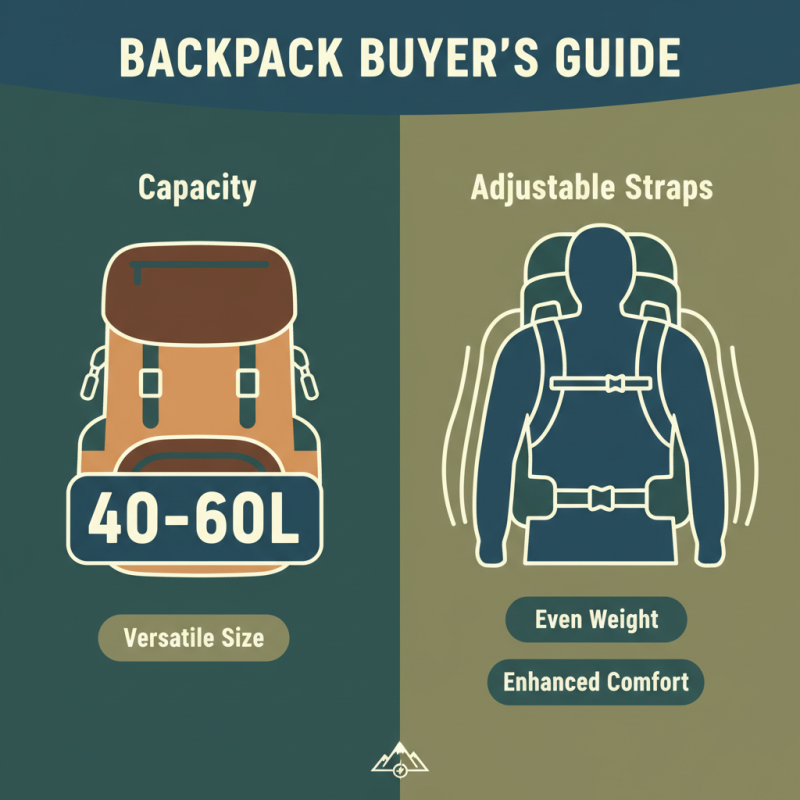
size is crucial. A well-sized backpack can make or break your adventure. You need to
consider your needs carefully. Think about the duration of your trips. Are you
embarking on a quick day hike? Or are you gearing up for an extended journey?
A smaller pack may suffice for short outings. However, longer trips require more
space for essentials.
Try to visualize your packing list. Include clothing, food, and gear. Plan for
unexpected items, like extra layers or snacks. A pack that’s too small may lead
to cramped conditions. Conversely, an oversized backpack can cause discomfort and
wasted space. Fine-tuning the size is an ongoing process. It can take time to realize
what you truly need.
Take note of the fit as well. Measures like torso length and hip size matter greatly.
A poorly fitting backpack can lead to back pain. Spend time adjusting straps until
it feels right. Remember, every adventure is unique. Each backpack choice should reflect
your personal journey and priorities.
Best Brands for Outdoor Backpacks: A Comparative Analysis
When choosing an outdoor backpack, analyzing the best brands is crucial. Various reports indicate that over 30% of outdoor enthusiasts prioritize pack comfort. This factor greatly influences their purchasing decisions. Durability is another critical aspect; about 25% of users reported dissatisfaction with wear and tear after only a few outings.
Material choices can make a significant difference. Many brands use different fabrics, which affects weight and resistance to elements. For instance, lighter materials often sacrifice durability. A report from the Outdoor Industry Association shows that the average lifespan of an outdoor backpack is around 3-5 years. Users need to consider this when selecting a brand.
Cost can also play a significant role. Premium brands often come with a higher price tag. However, that does not always guarantee superior quality. An analysis reveals that some mid-range brands perform exceptionally well in comfort and durability. Many users have expressed regret over overspending due to brand names alone. Balance between quality and cost is essential for informed choices.
Comparison of Popular Outdoor Backpack Features