Best Outdoor Backpacks for Every Adventure and What to Look For
When it comes to exploring the great outdoors, having the right equipment is essential, and an Outdoor Backpack is arguably one of the most important pieces of gear you can own. John Anderson, a seasoned outdoor gear expert and author, emphasizes, "The right backpack can make all the difference between a pleasant journey and a back-breaking ordeal." With so many options available on the market, it's crucial to understand what to look for in an Outdoor Backpack to ensure it meets the demands of every adventure, whether you're on a day hike or an extended camping trip.
Incentivizing your outdoor experience means choosing an Outdoor Backpack that not only fits your physical needs but also aligns with the type of activities you enjoy. Factors such as capacity, weight distribution, and storage options play a significant role when selecting the ideal pack. The vast landscape of outdoor adventures—from mountain trails to forest paths—requires versatile backpacks that can accommodate various gear while remaining comfortable for long durations.
Ultimately, the best Outdoor Backpack is one that is tailored to your personal journey and adventure style. From adjusting for different terrains to organizing your essentials, understanding the features of these backpacks can help you make an informed choice. This guide will explore the top outdoor backpacks available and highlight critical elements to consider, ensuring you embark on your next adventure fully prepared.
Best Outdoor Backpacks: An Overview of Styles and Uses
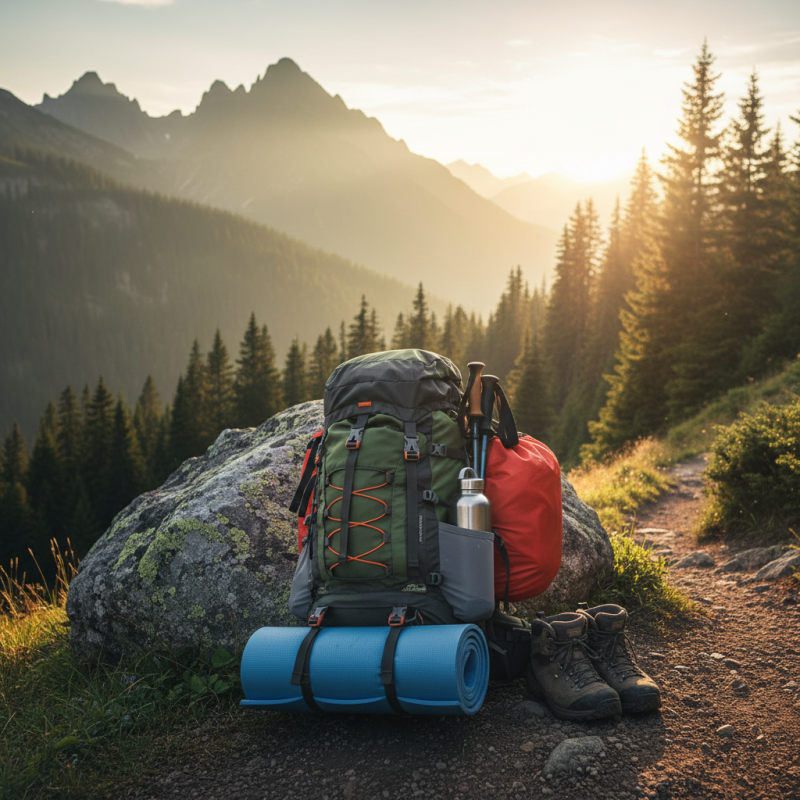
When choosing the best outdoor backpacks, it's essential to consider various styles and their specific uses.
Daypacks are ideal for short hikes or daily commuting, typically offering a capacity of 20 to 30 liters. They’re lightweight, comfortable, and often equipped with features like hydration reservoirs and external pockets for quick access to essentials.
For those planning weekend trips, overnight packs boast larger capacities ranging from 40 to 70 liters. These are designed for longer excursions and often include additional support features, such as an adjustable frame and ample storage for camping gear, clothing, and food.
For more specialized adventures, technical backpacks cater to activities like climbing, skiing, or backpacking. These packs emphasize durability and versatility, often featuring gear-specific attachments and advanced load management systems.
Hydration packs, a popular choice for runners and cyclists, prioritize accessibility and ergonomics, ensuring quick access to water and snacks on the go. Understanding these different backpack styles helps outdoor enthusiasts
select the right pack for their unique adventures, ensuring comfort and efficiency in the great outdoors.
Key Features to Consider When Choosing an Outdoor Backpack
When selecting an outdoor backpack, several key features can significantly enhance your experience and performance on any adventure. One critical aspect is the backpack's capacity. The average day hike typically requires a pack size between 20 to 30 liters, while multi-day trips often call for packs ranging from 50 to 70 liters. According to the Outdoor Industry Association, about 40% of outdoor enthusiasts prefer backpacks with adjustable features, allowing them to customize fit and comfort based on individual body types and activity levels.
Another vital consideration is the bag's material and weather resistance. High-quality, water-resistant fabric is essential for protecting gear against the elements, especially if you anticipate hiking in variable weather conditions. Research indicates that approximately 70% of hikers place high importance on durability and water-resistance when choosing a backpack. Additionally, iconic features such as ventilation systems, padding, and hip belt support can significantly improve comfort and prevent fatigue during long trips.
**Tips:** When trying on backpacks, ensure you load them with comparable weights to what you'll be carrying in the field. This helps to assess comfort accurately. Furthermore, consider packs with multiple compartments and pockets for better organization; this can save time and improve accessibility on the trail. Look for backpacks with a good balance of weight versus capacity to ensure that you're not overburdened, which can diminish your outdoor experience.
Best Outdoor Backpacks for Every Adventure
Durability and Material Options for Outdoor Backpacks
When selecting the best outdoor backpacks, durability and material are two crucial factors to consider. Outdoor adventures often expose gear to harsh conditions, making it essential for a backpack to withstand wear and tear. Look for materials such as Nylon or Cordura, known for their resilience. Additionally, check for reinforced stitching and durable zippers that can endure frequent use. Waterproof or water-resistant features are also important, ensuring that your belongings stay dry during unexpected rain or river crossings.
Tip: Before purchasing, consider the type of adventures you'll embark on. For hiking, lightweight yet strong materials are preferable, while those venturing into rugged terrains might opt for thicker, more robust fabrics that offer better protection.
Another aspect to examine is the backpack's frame and support system. A sturdy frame made from aluminum or a well-designed internal frame can significantly enhance comfort and load distribution. Padded shoulder straps and a breathable back panel contribute to a comfortable experience, especially on long treks. Always try on backpacks with weight to assess how they feel when loaded, as comfort is just as critical as durability.
Tip: Choose a backpack with adjustable straps and a hip belt; these features improve fit and stability, helping to prevent strain during extended use.
Fitting and Comfort: Ensuring a Good Backpack Fit for Adventures
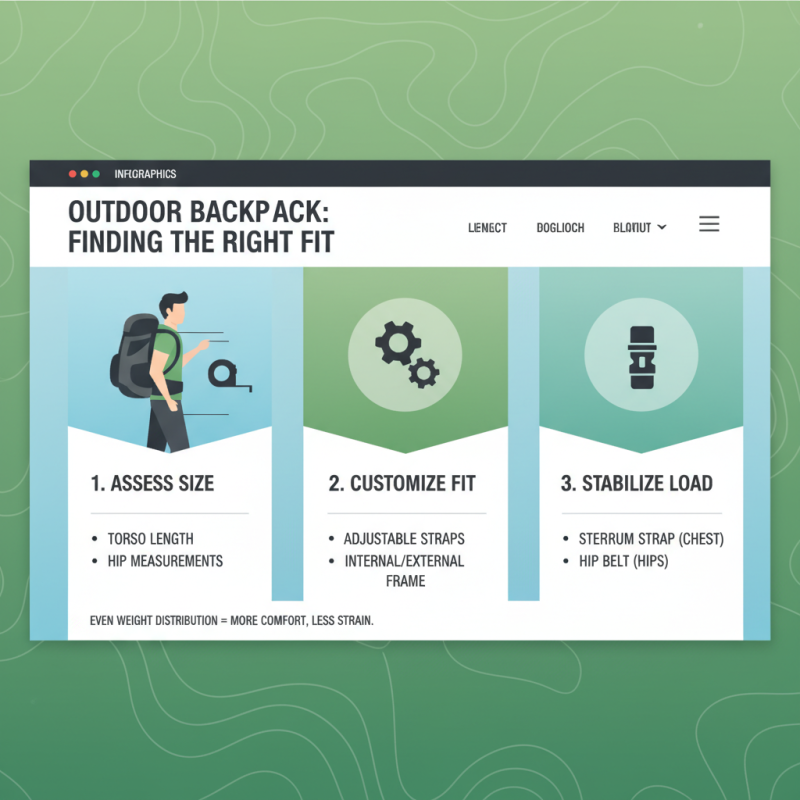
When selecting an outdoor backpack, achieving the right fit is crucial for both comfort and functionality during your adventures. A well-fitted backpack distributes weight evenly across your body, reducing strain on your back and shoulders. To begin with, assess the size of the backpack in relation to your torso length and hip measurements. Most backpacks come with adjustable straps and frames, allowing you to customize the fit to your body shape. Pay close attention to the sternum strap and hip belt, as these elements are essential for stabilizing the load and providing support, especially on longer hikes.
Comfort goes beyond size; it is also about the design and padding of the backpack. Look for models with padded shoulder straps that contour to your shoulders, along with a well-ventilated back panel to promote airflow and minimize sweating. Additionally, consider the type of terrain you'll be traversing. For rugged trails, a backpack with a more structured frame may offer better support, while a softer, lighter pack could suffice for casual day trips. Ultimately, taking the time to find a backpack that hugs your body comfortably will enhance your outdoor experience, allowing you to focus on the adventure ahead rather than on discomfort.
Top Outdoor Backpack Recommendations for Various Activities
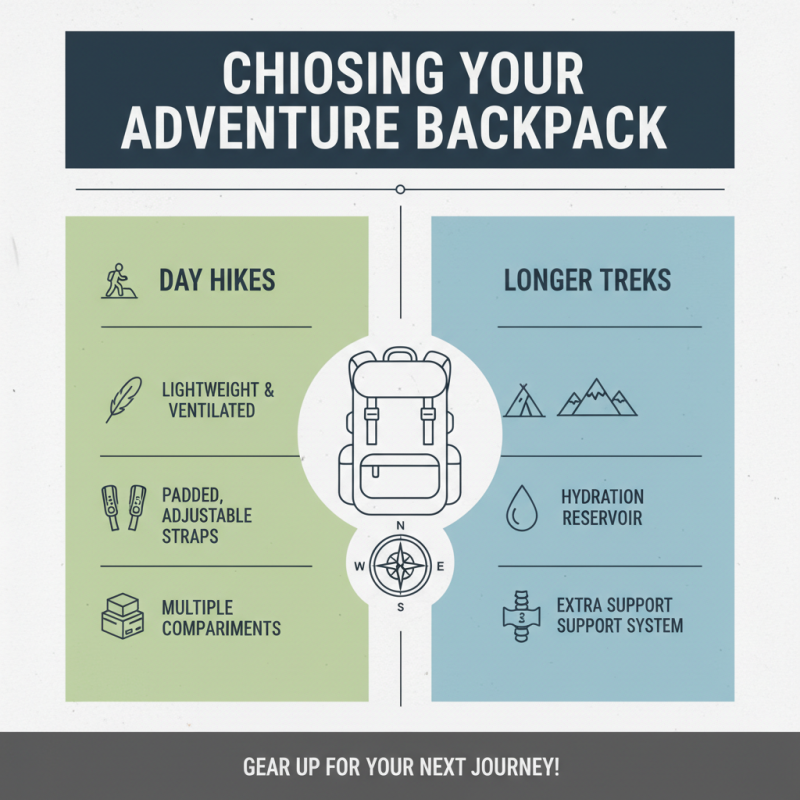
When selecting the best outdoor backpack for various activities, it's essential to consider the specific features that cater to your adventure needs. For day hikes, look for a lightweight design with ample ventilation to keep you comfortable. Straps should be padded and adjustable to ensure a proper fit, while multiple compartments will help you stay organized. For longer treks, consider a backpack with a hydration reservoir and extra support, allowing you to carry essential gear without the added strain.
Tips: Before purchasing, test the fit of the backpack by loading it with weight and walking around for a bit. This will help you assess comfort and balance. Additionally, look for backpacks with a rain cover if you plan on hiking in unpredictable weather. For backpacking or camping, opt for a model that offers an adjustable torso length to ensure it fits your body perfectly, which is crucial for balanced weight distribution over long distances.
For activities like climbing or skiing, specialized features are important. Look for gear loops or ski carry systems that enhance functionality. Safety is paramount, so ensure your backpack has reflective elements for visibility in low-light conditions. Remember that your backpack is a crucial part of your adventure gear, so choose one that meets the demands of your specific activity while providing the comfort and support you need.