Best One Person Tent Tips for Solo Backpacking Adventures?
Solo backpacking can be exhilarating yet daunting. A reliable one person tent is essential for solo adventurers. According to the Outdoor Industry Association, 47 million Americans participated in backpacking in 2020 alone. This trend reflects a growing appreciation for solitude in nature.
When choosing a one person tent, weight and durability are key factors. Backpackers want something lightweight yet robust enough to withstand various weather conditions. A tent that packs small can make a significant difference on long treks. The average solo tent weighs around three pounds, making this a reasonable requirement for most hikers.
However, many overlook the importance of proper setup and care. A tent that’s improperly pitched or maintained can lead to discomfort. According to Gear Institute, 30% of tent failures are due to user error. A moment of reflection on pitch technique can save you from a soggy night. Choosing the right one person tent can greatly enhance your solo adventures, allowing for deeper connection with nature and self.
Essential Features of One Person Tents for Solo Backpacking
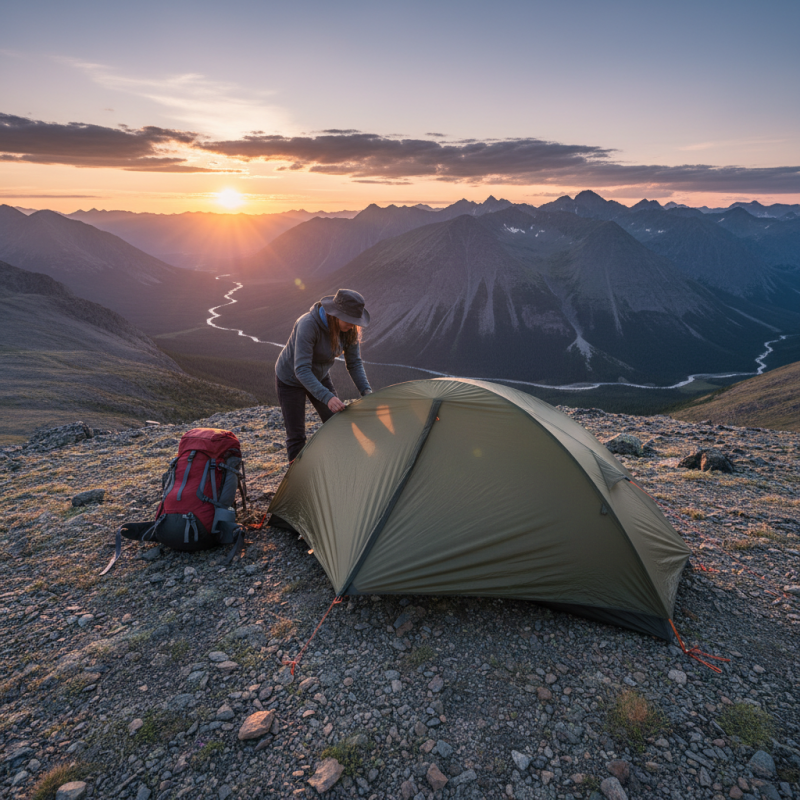
Choosing the right one-person tent for solo backpacking is crucial. Consider the tent's weight and packed size. A lightweight design makes hiking easier. Look for materials that can withstand rain and wind. Waterproofing is essential for comfort. A simple setup process can save time and frustration.
Ventilation features also play a vital role. Adequate airflow reduces condensation inside the tent. Look for mesh panels in the design. Ensure the tent has a rainfly to cover the entrance. This provides a shelter for gear without compromising ventilation. However, sometimes these features can add weight. Finding the right balance can be challenging.
Check the tent's floor space and height. You need enough room for sleeping and changing clothes. A cramped space can be uncomfortable. Some tents feel like a coffin after a long day of hiking. Also, think about how much time you’ll spend inside. If you prefer stargazing, select a tent with a fly that can be set up for open views. Remember, every feature you choose impacts your overall experience.
Essential Features of One Person Tents for Solo Backpacking
Comparative Analysis of Tent Weights and Portability for Backpackers
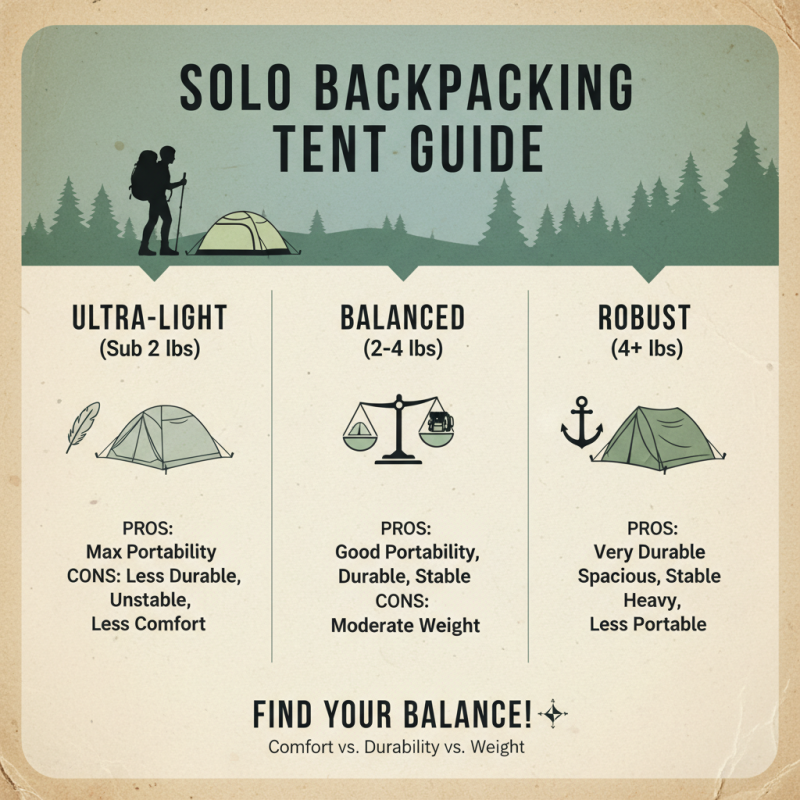
When considering tent weights and portability for solo backpacking, it's essential to find a balance. A lightweight tent is crucial for hiker comfort. Yet, ultra-light options can compromise durability. Many tents weigh between 2 to 4 pounds. A sub-2-pound tent may seem attractive, but it often lacks stability. It's essential to evaluate the trade-offs.
Portability also involves compactness. Some tents pack down to the size of a water bottle, making them easy to carry. These small tents can fit into tight spaces in your backpack. However, consider the setup time. Some compact designs are tricky and can frustrate you in bad weather. You might spend more time fiddling with poles than relaxing inside your tent.
Think about the environment too. Windy conditions can test your tent's integrity. A lightweight structure might not hold up well against a storm. On the other hand, heavier tents can be cumbersome and difficult to hike with. Striking a balance between weight and resilience is vital. Reflect on your personal needs and experiences to find the perfect fit.
Weather Resistance Ratings: Choosing the Right Material for Your Tent
When selecting a solo tent, weather resistance is crucial. Tents come in various materials, each offering different levels of protection. Look for waterproof ratings, denoted in millimeters. A rating of 2000mm or higher is typically good for rain. Will you be camping in heavy rain or light showers? Choose accordingly.
Consider the fabric's breathability too. A tent with good ventilation can prevent condensation inside. Think about the seasons you'll be camping in. A three-season tent works well for most conditions, while four-season shelters handle extreme weather.
But is heavier really better? Weighing your options is important.
Pay attention to the tent’s seams and zippers. These areas often leak if not properly sealed. Check the tent's fly and footprint as well. Sometimes, spending more on these accessories pays off. However, consider your needs and experience level. It’s okay to feel overwhelmed. Camping teaches you a lot about what you truly need. Each adventure shapes your decisions for the next.
Best Practices for Pitching a Tent Alone: Techniques and Tips
Setting up a tent alone can be tricky. Start by scouting a flat, dry area. Remove any rocks or debris first. This step makes a big difference. If the ground isn’t clear, your sleep may be disrupted.
Next, lay out your tent and stake the corners. Use a timer if needed to keep track of your progress. Sometimes it helps to practice pitching your tent at home before heading out. You may forget steps in the field.
While adjusting the tension of the tent, take your time. Over-tightening may damage the fabric. Adjust as necessary, and don't be afraid to redo it. Not every attempt will be perfect. Embrace the little mistakes; they teach valuable lessons.
Cost vs. Performance: Budgeting for a Quality Solo Hiking Tent
Budgeting for a quality solo hiking tent is essential for a successful backpacking adventure. A good tent can protect you from the elements while keeping your pack light. However, not all expensive tents are high-performing. Sometimes, a mid-range option performs just as well without breaking the bank.
When considering your budget, weigh the features that matter most. Ultralight materials often come with a higher price tag. But remember, durability is crucial. A tent that fails in harsh weather can ruin your trip. Research reviews and gather user experiences.
Here are some tips. Look for seasonal sales or discounts. Renting or borrowing gear can save money. Assess your actual needs; a single-wall tent is lighter but less insulated. Balancing cost and performance is key, so prioritize wisely.