2026 How to Choose the Best One Person Tent for Your Adventures?
Choosing the right one person tent is crucial for a successful adventure. A well-chosen tent can enhance your outdoor experience remarkably. According to a report by the Outdoor Industry Association, nearly 50% of campers prefer solo trips for their flexibility and solitude. This trend emphasizes the need for a quality one person tent that meets individual needs.
When selecting a one person tent, consider the weight, durability, and weather resistance. Lightweight options can make hiking easier but may sacrifice stability. Many campers overlook this balance. Additionally, features like ventilation and ease of setup are often underestimated. The right tent must endure various conditions, from rain to wind.
A personal tent is more than just a shelter; it's a home away from home. Therefore, investing time to research is essential. Striving for the best option can prevent discomfort later. Reflecting on personal preferences will lead to better choices, ensuring your trips are enjoyable and fulfilling.
Understanding Different Types of One Person Tents for Outdoor Use
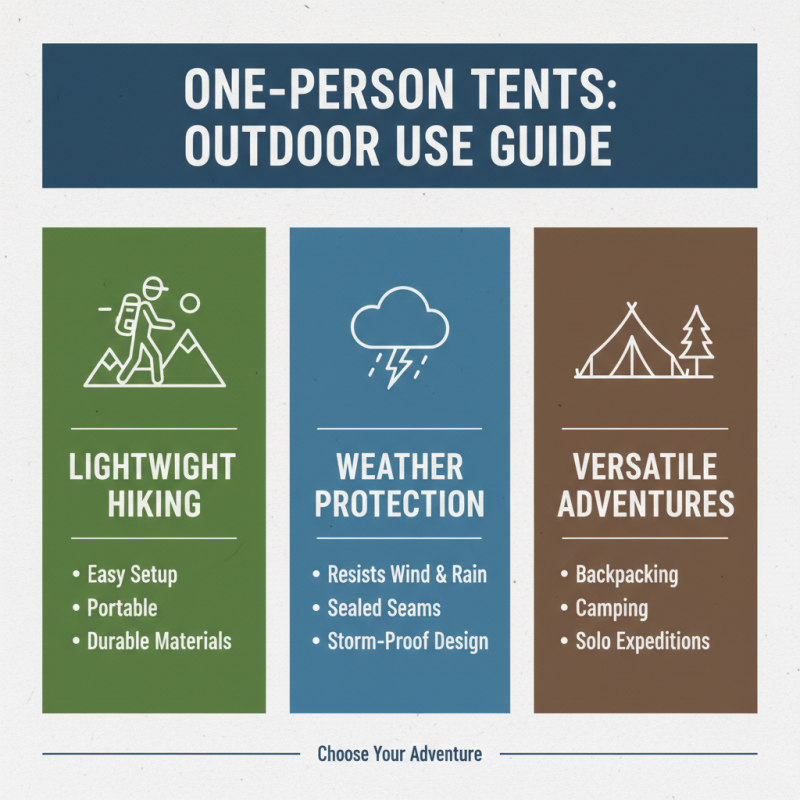
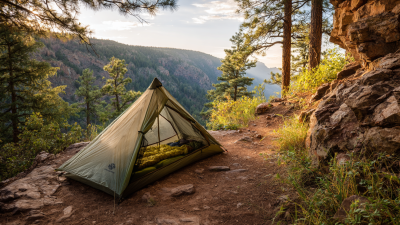
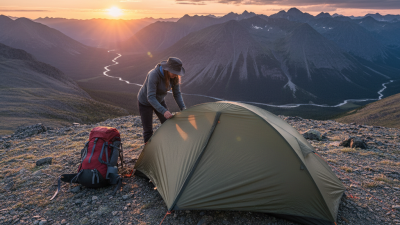
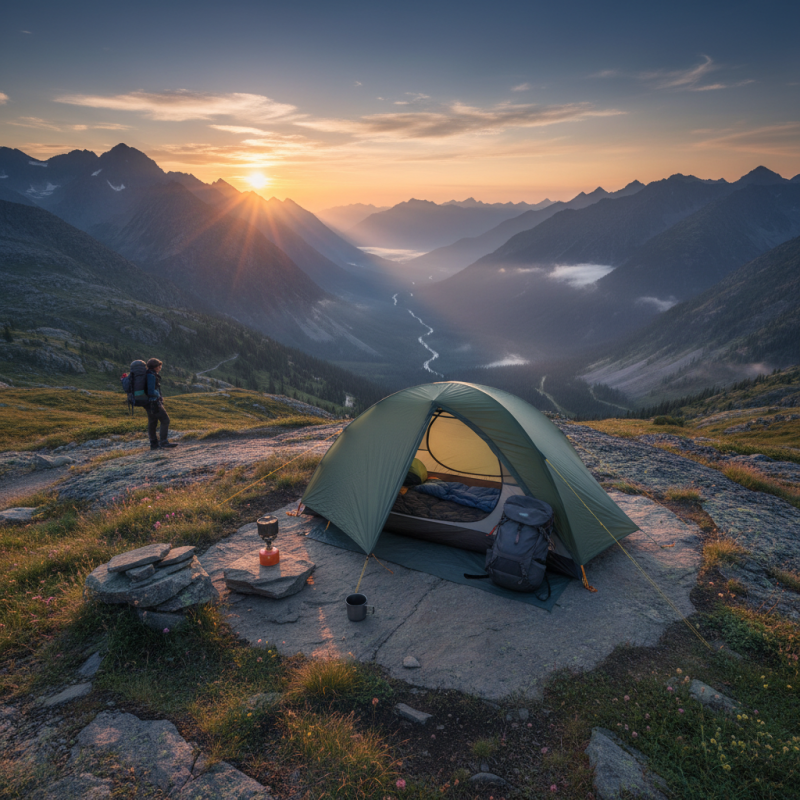
When exploring outdoor adventures, selecting the right one-person tent is crucial. Different types of tents cater to various needs. For lightweight hiking, look for a tent designed for easy setup and portability. These tents often use durable materials that resist wear and tear. A fly that offers extra weather protection is ideal for sudden storms.
Consider the seasonality of your tent. Four-season tents withstand harsh conditions. Three-season options are versatile, suitable for spring, summer, and fall. While these tents might not handle heavy snow, they can endure rain and wind fairly well. Choosing the right seasonality can make a trip enjoyable or a struggle.
Tip: Always check the weight of the tent. A heavier tent may feel cumbersome during a long hike. Packability is also essential. Can it fit in your backpack? If not, it may not be the best choice.
Remember to reflect on the space inside the tent. Do you need room for gear? A cramped tent can lead to discomfort. Adequate vestibule space helps keep your belongings dry and organized. Don't rush your decision—take time to weigh the pros and cons before committing to one model.
Key Features to Consider When Selecting a One Person Tent
Choosing the right one-person tent can drastically change your outdoor experience. It's essential to consider several key features. First, weight and size matter. Heavy tents can be a burden during long hikes. Look for lightweight materials that pack down small. This can make your journey smoother.
Durability is another crucial aspect. A tent should withstand various weather conditions. Check for fabrics with waterproof ratings and sturdy zippers. A fragile tent may fail when you need it most. Ensure the poles are strong enough to handle wind.
Tip: Test the tent before your trip. Set it up in your backyard. Look for any flaws. Another vital feature is ventilation. A well-ventilated tent reduces condensation. Mesh panels can help with airflow. This makes for a more comfortable sleep.
Don’t overlook packing options. Some tents are easy to pack, while others are a hassle. Test if the tent fits into your backpack smoothly. Reflect on your needs and see what features align with your adventure style.
Material Choices: Weighing Durability Against Portability in Tents
Choosing the right material for a one-person tent is crucial. It impacts both durability and portability. Lightweight materials, like nylon, are great for backpacking. However, they may not withstand harsh weather as well as heavier fabrics. Polyester offers a good balance. It’s durable yet still portable.
Consider waterproof ratings too. A tent might feel light but could leak in the rain. You may find that a heavier tent provides more shelter and security. Think about your specific adventures. If you're mostly camping in dry conditions, you might prioritize weight over weather resistance. But what if you encounter unexpected rain?
Reflect on your needs. Sometimes, a compromise is necessary. A tent that seems perfect might lack durability in the long run. It’s essential to weigh your options. Will you carry a slightly heavier tent for better protection? Or will you sacrifice some comfort for a lighter pack? Your decision will shape your camping experience.
Budget Considerations: Finding a Quality Tent Without Breaking the Bank
Finding a balance between quality and affordability is crucial when selecting a one-person tent. In the outdoor gear market, data shows that nearly 40% of consumers prioritize budget over brand names. It’s important to note that a high price does not always guarantee quality. Many budget options perform well, providing adequate protection and comfort for solo adventurers.
When considering your budget, think about essential features. Look for a tent with good waterproof ratings. According to a recent survey, tents priced under $200 can offer waterproof ratings higher than 2000 mm, making them suitable for light to moderate rain. Also, weight matters in the wilderness. A lightweight tent can enhance mobility. Many budget-friendly models weigh under 3 pounds, offering a decent blend of comfort and convenience.
Reflecting on reviews can help. Many users appreciate features such as easy setup or decent ventilation. However, some report durability issues with cheaper tents. A one-person tent may serve well for occasional use, yet might not withstand heavy winds over time. It’s wise to analyze user feedback and select wisely, as the right tent can enhance your adventure without straining your wallet.
Reading Reviews and Recommendations: Validating Your Tent Choice
When choosing a one-person tent, reviews and recommendations serve as valuable resources. They provide real-world experiences from fellow adventurers. Reading about others’ encounters can shed light on the tent's strengths and weaknesses. Perhaps a tent is lightweight, but it may struggle against strong winds. Validating your choice through reviews is essential; it can help you foresee potential problems.
Look for details in the reviews. How easy is it to set up? Some tents come with confusing instructions, which can be frustrating. Additionally, consider the weather conditions. One tent may perform superbly in dry climates but falter in heavy rain. Another aspect to reflect on is durability. A flashy design doesn't always mean longevity.
It's also crucial to watch for inconsistent feedback. Some users praise a tent’s comfort while others feel cramped. This disparity can lead to doubts. Are you prioritizing space over weight? These reflections can guide you in making a thoughtful choice. Balancing personal needs with the experiences of others ensures your tent fits your adventure perfectly.