Best Camping Tents for Every Adventure in 2026?
Camping has evolved into a beloved outdoor activity for many. A significant aspect of this experience is choosing the right Camping Tent. According to renowned outdoor expert Sarah Johnson, “The right tent can make or break your camping adventure.” Her wisdom reminds us that the quality of your shelter impacts comfort and safety.
In 2026, the camping tent industry offers a wide variety of innovative options. From ultralight designs for backpackers to spacious family tents, the choices cater to all adventurers. However, not every tent holds up under diverse conditions. Weather resilience is crucial, yet many overlook this factor during their selection.
Selecting a Camping Tent involves careful consideration of materials, space, and weather resistance. You don’t want a tent to collapse under unforeseen rain. Reflect on your needs. Will it be used for quick weekend trips or extended journeys? Recognizing these details can significantly enhance your outdoor experience, leading to memorable adventures ahead.
Essential Features to Consider When Choosing a Camping Tent in 2026
When choosing a camping tent in 2026, several essential features come into play. Size matters greatly. Consider how many people will camp together. A spacious tent enhances comfort. If space is tight, look for tents that can accommodate your gear too.
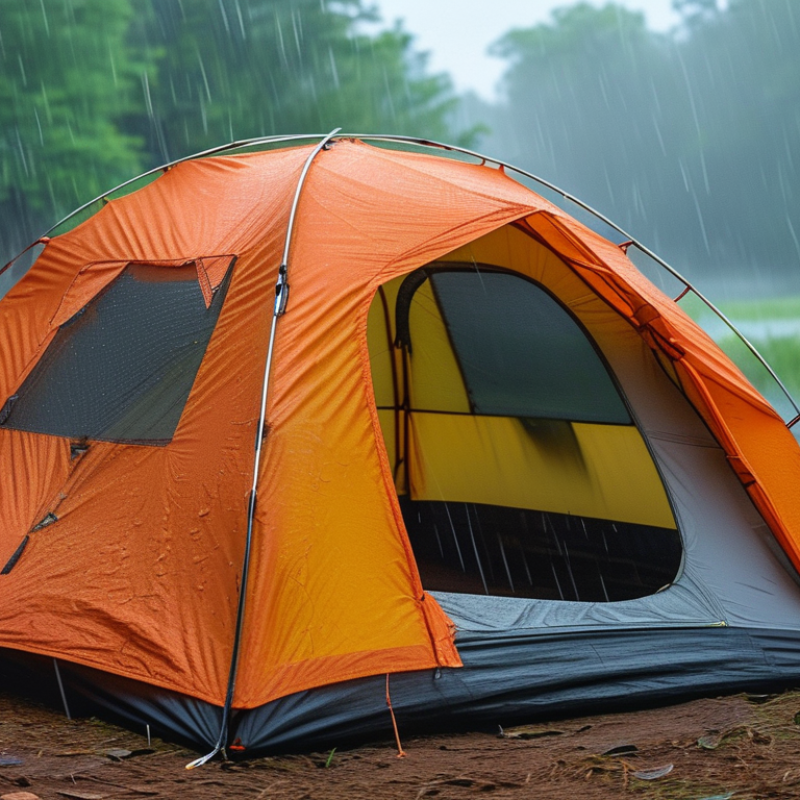
Weather resistance is crucial. Look for tents with high waterproof ratings. The material should withstand wind and rain. A solid rainfly protects against storms. Mesh panels offer ventilation but remember, during a storm, they can let in water. Always check these features before you buy.
Tips: Pay attention to weight. Lightweight tents are easier to carry but may sacrifice durability. Many popular options tend to be heavier. It’s a trade-off worth contemplating. Also, think about setup time. Tents that take longer to pitch can be a hassle after a long hike.
Lastly, consider your camping destinations. Different terrains require different designs. A tent suitable for mountains may not work well in forests. Reflect on where you’ll go before making your choice. Choosing wisely improves your outdoor experience.
Top-Rated Camping Tents for Family Adventures and Group Trips
When planning a family camping trip, choosing the right tent is crucial. A spacious tent can accommodate everyone comfortably. Look for features like high ceilings and multiple rooms for privacy. Ventilation is key, especially in warmer weather. Large mesh windows can help make the interior feel less claustrophobic.
Group trips usually require more storage and space. Tents designed for larger groups often come with extra vestibules for gear. Some tents even have separate areas for cooking. Always check the material used, as durability matters in unexpected weather.
Consider a tent that is easy to set up, as not everyone in the group may be a seasoned camper.
There are many options on the market, but not all tents live up to their promises. Read reviews and heed feedback from fellow campers. What works for one family may not be ideal for another. Reflect on your specific needs: how many will sleep inside? Will you stay in one place or move frequently? These questions are vital in narrowing down your choices.
Lightweight and Portable Tents for Solo Backpackers and Hikers
As the outdoor adventure trend grows, lightweight and portable tents are becoming essential for solo backpackers. According to the Outdoor Industry Association, nearly 30 million Americans participated in backpacking in 2021. This number is expected to rise as more gear options become available. A key statistic shows that 62% of backpackers prioritize weight and packability over other features when choosing a tent.
A tent weighing under three pounds is ideal for solo hikers. These options allow travelers to maintain mobility and comfort. Features like easy setup and durable materials are crucial. Many tents now employ advanced fabrics, enhancing weather resistance without increasing weight. Studies suggest that quality tents significantly impact overall camping satisfaction.
Still, challenges exist in finding the perfect tent. Some lightweight models may sacrifice durability for weight. Users have reported issues with structural stability during storms. It's essential for backpackers to reflect on their needs and choose accordingly. A seemingly small hitch in setup can lead to frustration. Hence, understanding trade-offs is vital for any adventure. Each journey requires careful consideration of gear reliability and practicality.
Weather-Resistant Tents: Best Options for All Seasons and Conditions
When planning for diverse camping conditions, choosing a weather-resistant tent is crucial. Studies show that over 45% of campers experience unexpected weather changes. A durable tent can mean the difference between a fun trip and a miserable one. For all-season campers, materials like ripstop nylon, with its water-resistant properties, are highly recommended. It can withstand heavy rain and strong winds, ensuring campers stay dry and secure.
Moreover, the design of a tent plays a vital role in its weather resistance. Features such as sealed seams and robust poles enhance stability against harsh weather. Research from the Outdoor Industry Association indicates that tents with adequate ventilation significantly reduce moisture buildup. This moisture can lead to mold and discomfort, especially in humid climates.
Selecting a tent is not just about the brand. It's about understanding what works best for your needs. Many campers often overlook the weight of their tent. A heavier tent may provide more durability but can be challenging during long hikes. Balancing weight and robustness is key. Remember that what is ideal for one adventure may not be suitable for another. Adapting your choice to the specific conditions is essential and worth the introspection.
Best Camping Tents for Every Adventure in 2026
| Tent Type |
Season Rating |
Water Resistance |
Weight (lbs) |
Price Range |
| Backpacking Tent |
3-Season |
2000 mm |
3.5 |
$150 - $300 |
| Family Tent |
3-Season |
1500 mm |
10 |
$250 - $500 |
| SUV Tent |
4-Season |
3000 mm |
8 |
$200 - $400 |
| Canvas Tent |
4-Season |
2000 mm |
20 |
$300 - $600 |
| Pop-Up Tent |
2-Season |
1200 mm |
5 |
$100 - $250 |
Innovative Camping Tent Designs for Glamping and Luxury Camping Experiences
When it comes to glamping, innovative tent designs are transforming the outdoor experience.
Picture a spacious tent with large windows that flood the interior with natural light. These tents often come with high ceilings and vertical walls, creating an inviting atmosphere. Many have built-in rooms and outdoor patios, allowing for seamless transitions between indoor and outdoor living.
Luxury camping tents are equipped with comfortable furnishings, including memory foam mattresses and plush bedding.
With solar-powered lighting and charging stations, outdoor enthusiasts can stay connected without sacrificing comfort. Some designs even include eco-friendly amenities like rainwater collection systems.
However, not all designs are flawless. Some tents can be heavy and cumbersome to set up. Weather resistance varies widely, and unexpected leaks can occur. Buyers should carefully evaluate their specific needs and local conditions before investing.
Finding the right balance between luxury and functionality is key to enjoying a memorable camping adventure.