Best Camping Tent for Your Outdoor Adventures?
Choosing the right camping tent is crucial for outdoor adventures. According to a recent industry report, the global camping tent market is expected to reach $5 billion by 2027. This growth signals a rising interest in camping and outdoor activities, emphasizing the need for quality gear.
When selecting a camping tent, factors like size, weight, and weather resistance come into play. Many campers underestimate how crucial these elements are for a comfortable experience. Approximately 40% of outdoor enthusiasts report discomfort due to inadequate shelter. A tent that is too small or poorly ventilated can ruin a camping trip.
Moreover, the right tent can enhance your outdoor experience. Specific features, such as UV protection and easy setup, matter. Investing in the best camping tent can make a significant difference. Yet, many still choose models based on price alone, often regretting their decision later. The value of a reliable tent cannot be overstated; it is worth considering both quality and investment for the best adventures.
Understanding the Different Types of Camping Tents Available
When choosing a camping tent, understanding the different types is crucial. Tents come in various shapes and sizes, each designed for specific needs. Backpacking tents are lightweight and compact. They are perfect for hikers who want to minimize weight. Family tents, on the other hand, offer more space. They usually have multiple rooms and can accommodate larger groups.
Another option is the dome tent. Its shape provides stability against wind and rain. Easy to set up, dome tents are popular among casual campers. Then there are tunnel tents. These are long and spacious, ideal for families or groups. While they offer great headroom, setting them up can be tricky.
Choosing the right tent requires careful reflection. You might love a design at first glance, but it may not suit your needs. Try to envision your camping experience. Will you face adverse weather? Space matters a lot, too. A tent that feels cozy can quickly become cramped with too many people. So, consider your requirements before making a choice.
Key Features to Consider When Choosing a Camping Tent
Choosing the right camping tent can significantly enhance your outdoor experience. Key features must be carefully considered. Size matters. A two-person tent may feel cramped for extended trips, while a larger tent offers space but can be heavier. According to a recent industry report, 65% of campers prefer tents that accommodate two or more people for comfort.
Weather resistance is crucial. Look for materials rated for waterproofing and durability. Most tents use denier ratings to measure thickness. Higher ratings indicate stronger fabric. The National Outdoor Leadership School suggests a minimum of 2000 mm waterproof rating for rainy conditions. Ventilation also plays a role. Poor airflow can lead to condensation, making the experience uncomfortable. Some tents lack adequate mesh panels, which can be a mistake on humid nights.
Weight is another significant factor. A backpacking tent needs to be lightweight yet sturdy. The average weight for a quality backpacking tent is 3-4 pounds. Campers should avoid heavy-duty tents unless they have a vehicle nearby. Finding a balance between durability and portability is key. Remember, it’s not just about the tent; it's about the whole experience in nature.
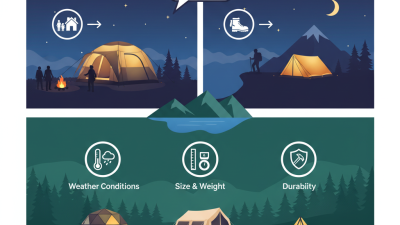
Camping Tent Key Features Comparison
This bar chart compares three different camping tents based on key features such as weight, capacity, water resistance, setup time, and durability. Choose wisely based on your outdoor adventure needs!
Top Brands Known for Quality Camping Tents
When it comes to camping, the choice of tent can significantly impact your experience. Several brands stand out for their craftsmanship and reliability. They are recognized for producing tents that withstand unexpected weather changes. Durability is key when you are in the wilderness.
Some brands focus on lightweight designs. These are ideal for backpackers who value portability. They might not be as spacious, but they allow for easy transport over long distances. On the other hand, some tents are built for family camping trips. These provide ample room and comfort, catering to larger groups. However, they can be bulky and challenging to set up.
Users often wrestle with pricing versus quality. A high price tag doesn't always guarantee perfect performance. Some tents might leak after a few uses. Others may fail to hold up against strong winds. It's essential to read user reviews and conduct personal research before making a purchase. Ultimately, investing time in selecting the right tent can make for unforgettable outdoor adventures.
Tips for Setting Up and Maintaining Your Camping Tent
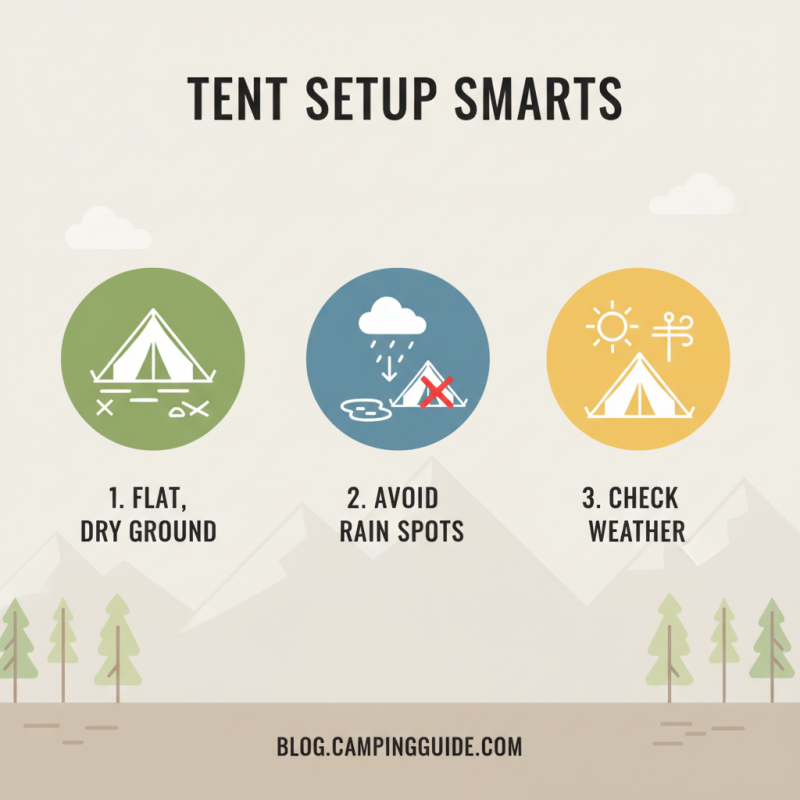
Setting up a camping tent can be tricky. Choosing the right spot is vital. Look for flat, dry ground free of debris. Clear away any rocks or sticks that might poke through the floor. Pay attention to the weather. Avoid low areas that may collect rainwater.
Once you've picked a spot, it's time to pitch the tent. Start by laying out the tent and stakes. This part often takes time and patience. Don’t rush. Make sure the tent is symmetrical when setting it up. Secure all corners well. If you're having trouble, take a step back and re-evaluate your setup.
Maintaining your tent is just as important. After each use, clean it thoroughly. Brush off dirt and wipe down the inner fabric. Check for signs of wear, particularly around seams. Repairs done sooner will save you trouble later. Always store your tent when it's completely dry to prevent mold. Questions about the setup process often arise. Don't hesitate to reach out to fellow campers for tips.
Essential Accessories to Enhance Your Camping Tent Experience
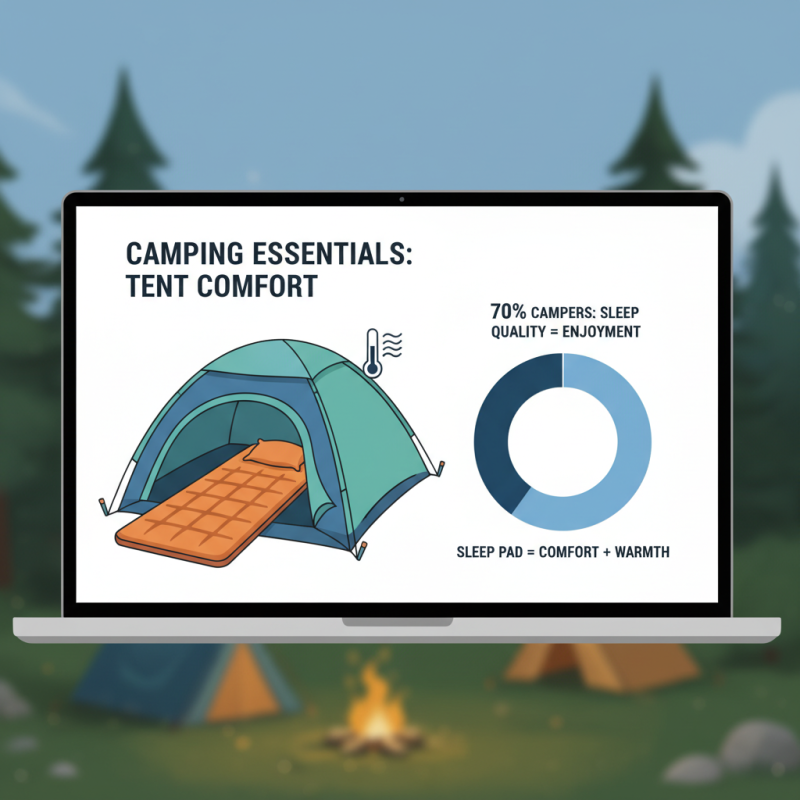
When planning your camping trip, consider essential accessories that enhance your tent experience. A quality sleeping pad can drastically improve comfort. According to recent industry reports, about 70% of campers cite sleep quality as a key factor in their overall enjoyment. A sleeping pad adds cushioning and insulation, keeping you warm on chilly nights.
Another must-have is a tent footprint. This protective layer shields the tent floor from sharp rocks and moisture. Research indicates that tents with footprints experience less wear and tear, extending their lifespan. Despite this, many campers overlook this accessory. Inadequate protection can lead to leaks and unpleasant surprises.
Lighting is also crucial. Headlamps or lanterns can transform your camping space. Many users find that proper lighting makes night-time activities more enjoyable. However, batteries can run out unexpectedly. A backup power source is often forgotten but essential. Campers should reflect on their setups. Small details can significantly impact your outdoor experience.